

The Protein Threshold: Where Longevity Benefits Stop Climbing
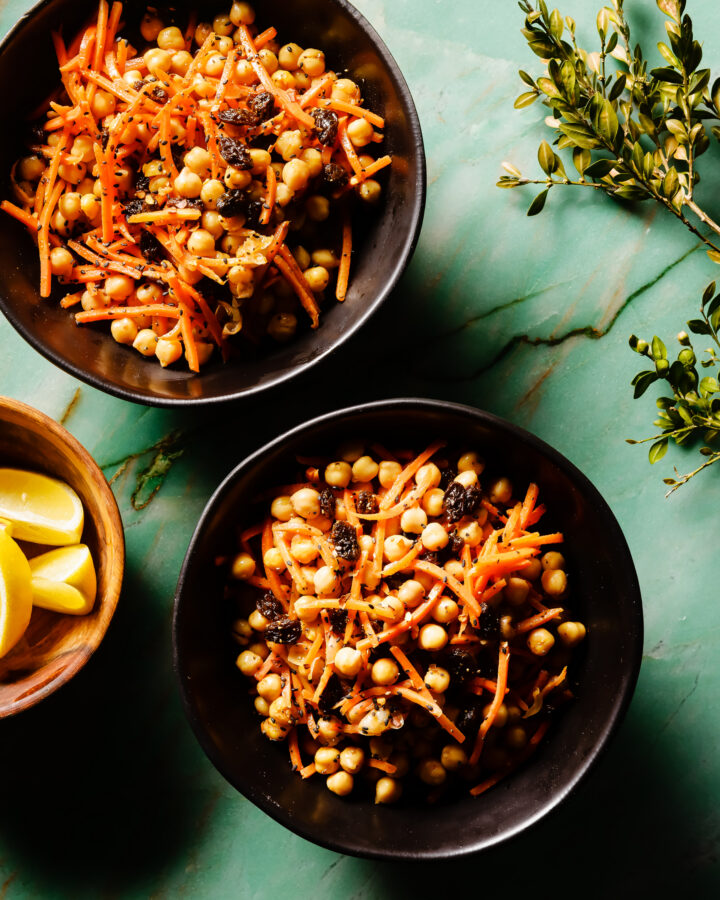
Protein does more than build strong muscles, it’s also needed for healthy cells, hormones, immunity, and more. Here’s why you still shouldn’t overdo it on this essential nutrient.
For questions of healthy living, the wellness world tends to offer one simple answer: more. More steps. More supplements. More meditation. More protein in your diet, regardless of the recommended amounts.
Of course, more isn’t synonymous with better. Yes, protein helps build muscle. More importantly, it helps you keep it. That’s a big deal since muscle is one of the strongest predictors of how well you’ll age. But once you’ve eaten enough, piling on more protein won’t buy you a stronger, longer life. In fact, the excess could be working against you.
We talked to experts to uncover exactly where the [lon-jev-i-tee]nounLiving a long life; influenced by genetics, environment, and lifestyle.Learn More: Longevity sweet spot is for protein, and what happens when you push past it. Plus: what true protein optimization looks like, according to leading longevity and nutritional experts.
The Protein-Longevity Link
When giving our health a tuneup, most of us focus on lifespan. But [helth-span]nounThe number of years you live in good health, free from chronic illness or disability.Learn More: Healthspan, the number of years lived free from disease or disability, is an equally important goal, and protein happens to be an incredible tool for extending it.
According to Jennifer Timmons, MD, a longevity physician and the founder of Timmons Wellness, few nutrients matter more for healthy aging than protein. This is largely because protein gives your body the raw material it needs to build and hang onto lean muscle, which, in addition to keeping you mobile with age, acts as a [gloo-kohs sink]nounA term for muscle’s role in absorbing glucose to regulate blood sugar.Learn More: Glucose Sink and a metabolic regulator.
“There has been study after study showing that more [muh-suhl mas]nounThe total weight of muscle in your body, critical for longevity.Learn More: Muscle Mass is linked to longevity and improved independence, metabolic health, [kog-ni-tiv helth]nounThe ability to think, learn, and remember clearly as you age, supported by brain structure, function, and lifestyle factors like sleep, diet, and exercise.Learn More: Cognitive Health, and a lower risk of falls,” Dr. Timmons says. We naturally lose muscle as we age, as much as eight percent of muscle mass per decade starting in our 30s or 40s, per the Cleveland Clinic. That’s why preserving what you have matters just as much as building more.
The formula’s simple: Eat enough protein and challenge your muscles with progressive [strength tray-ning]nounResistance-based exercise to build muscle and support healthy aging.Learn More: Strength Training at least two to three times a week.
How Much Protein You Really Need
Protein follows the law of diminishing returns. Going from too little to enough makes a huge difference. Going from enough to an excess? Not so much.
There isn’t one magic protein target. Age, body size, activity level, and goals all matter. But one thing has changed: The old recommendation is no longer in play.
For decades, the recommended daily allowance (RDA) for protein was just 0.8 grams per kilogram of body weight. But that number was designed to prevent deficiency, not to help people age stronger. The 2025–2030 Dietary Guidelines for Americans raised their recommendation to 1.2 to 1.6 grams of protein per kilogram of body weight, a range many active, health-minded individuals were already targeting.
In practice, that’s quite a jump. Where once a person weighing 150 pounds would previously have been recommended 54 grams of protein per day, that same person would now want to strive to reach between 82 to 109 grams of the essential nutrient.
“Older adults should also consider upping their intake to support muscle loss with age,” adds Maddie Pasquariello, MS, RDN, a dietitian based in Brooklyn. Research suggests that adults 65 and up require 1 to 1.2 grams per kilogram of body weight a day at the bare minimum, 1.2 to 1.5 grams for those with chronic or acute conditions, and even up to 2 grams for those with severe illness or malnutrition.
How Much Protein Is Too Much?
This is where the conversation goes off the rails. Enter: the protein-maxxing trend, which encourages people to eat well above the RDA, sometimes double or triple what you actually need. People believe it’ll yield more muscle, more strength, more healthy years. The problem? The math doesn’t check out.
According to Dr. Timmons, there are no added benefits when healthy adults far exceed the recommended levels. And going overboard could come with some undesired side effects. For starters, Pasquariello says that protein in significant excess puts added strain on your body to digest it.
“This can result in side effects like digestive discomfort, fatigue, bloating, and bad breath,” she shares. Gut dysbiosis and inflammation are also possible, as is a higher risk of cardiovascular disease and mortality if you rely heavily on processed meat as your primary source.
Plus, all that extra protein contains calories. Once your body’s protein needs are met, consistently eating beyond your energy needs makes fat gain, not muscle gain, more likely, Pasquariello continues. Individuals with chronic kidney disease should take extra precautions around their protein intake, too, as too much can exacerbate the condition.
But the biggest issue isn’t the protein itself. It’s what gets pushed off your plate when you consume more than you need. “Protein tends to be very filling, so if your entire plate is just protein piled on top of more protein, there’s a good chance you’re not making room for other things that are equally beneficial,” Pasquariello warns.
When every meal revolves around hitting a protein target, fiber from fruits and vegetables (crucial to supporting digestion and healthy cholesterol levels) and healthy fats (which are good for your heart) often become an afterthought. That’s a problem since a healthy diet isn’t built on protein alone.
7 Ways to Optimize Your Intake
There’s a decent chance you’re already getting the right amount of protein you need. But if you feel you’re falling short, follow these expert-approved strategies to get things trending in the right direction.
1. Know Your Number
Again, the sweet spot for most individuals falls between 1.2 to 1.6 grams of protein per kilogram of body weight per day. To calculate your body weight in kilograms, simply divide your weight by 2.2. From there, multiply it by 1.2, then again by 1.6 to find your ideal range. Pasquariello says you don’t need to bend over backwards to hit it perfectly. Just do your best to stick close to this range.
2. Audit Before Adding
Before adding more protein-rich foods into your rotation, get an understanding of how much you’re already getting on a typical day. “Remember that there are many places where protein makes its way into your diet: nuts, seeds, grains, and perhaps even some of your beverages,” says Pasquariello. “It all adds up, so you might already be getting more than you think.”
3. Don’t Chase More Without a Reason
Pasquariello suggests finding a clear reason why you should up your intake. Perhaps you’re on the lower end but you’re actively lifting heavy or trying to lose weight. Or maybe you’re consuming well below the RDA after starting a GLP-1, or you’re simply on the quest to keep sarcopenia at bay. If any of these apply, increasing your intake could be a good idea.
4. Spread It Out
It’s ideal to space out your protein intake throughout the day. To do this with ease, we’re fans of the 30-gram rule, or aiming for 30 grams of protein at breakfast, lunch, and dinner. (To see what this looks like in practice, check out a sample menu here.) If necessary, Dr. Timmons says you can up your per-meal intake to 40 grams to ensure you meet your daily needs. Minimally processed protein snacks like a protein smoothie, a few hard-boiled eggs, or some edamame are also safe bets in between meals.
5. Choose High-Quality Sources
Dr. Timmons advises getting your protein from whole food sources such as lean meat, eggs, and legumes, while avoiding processed meats. While protein shakes, bars, and processed snacks can fill in some gaps, you should lean on these only in moderation. “Sometimes they can be a helpful adjunct, but I would have those as an occasional one-off, not as the mainstay,” she says.
6. Don’t Neglect Plant-Based Protein
Many people automatically think that high-protein diets rely on steaks and shakes alone. But plant-based sources of protein — think beans, tofu, tempeh, nuts, seeds, and grains — count too. And it turns out they’re especially effective for longevity. Recent studies have linked higher intakes to slower biological aging and lower mortality, particularly later in life. Wondering how much plant protein you should aim for? Here, the more is actually the merrier. A 2024 study in the American Journal of Clinical Nutrition found that shifting to a plant-to-animal protein ratio of at least 1:2 (up from the 1:3 most Americans eat) was linked to meaningfully lower cardiovascular disease risk.
7. Balance Your Diet
Remember: One of the biggest risks of eating too much protein is that it crowds out other nutrients. Protein should max out at 35% of your total calories for the day (e.g., 700 calories on a 2,000-calorie diet). “If you’re eating so much protein that you neglect fruits, vegetables, and fiber regularly, that’s the first place I’d start when it comes to making small but meaningful changes,” Pasquariello concludes.
All said, the goal shouldn’t be to make protein your personality. It’s to eat enough to support your muscles and leave plenty of room on your plate for everything else that helps you live a longer, healthier life.
Read This Next:
The information provided in this article is for educational and informational purposes only and is not intended as health, medical, or financial advice. Do not use this information to diagnose or treat any health condition. Always consult a qualified healthcare provider regarding any questions you may have about a medical condition or health objectives. Read our disclaimers.
Written By:
