

Do Antioxidants Fight or Fuel Cancer? It Depends on How You Consume Them
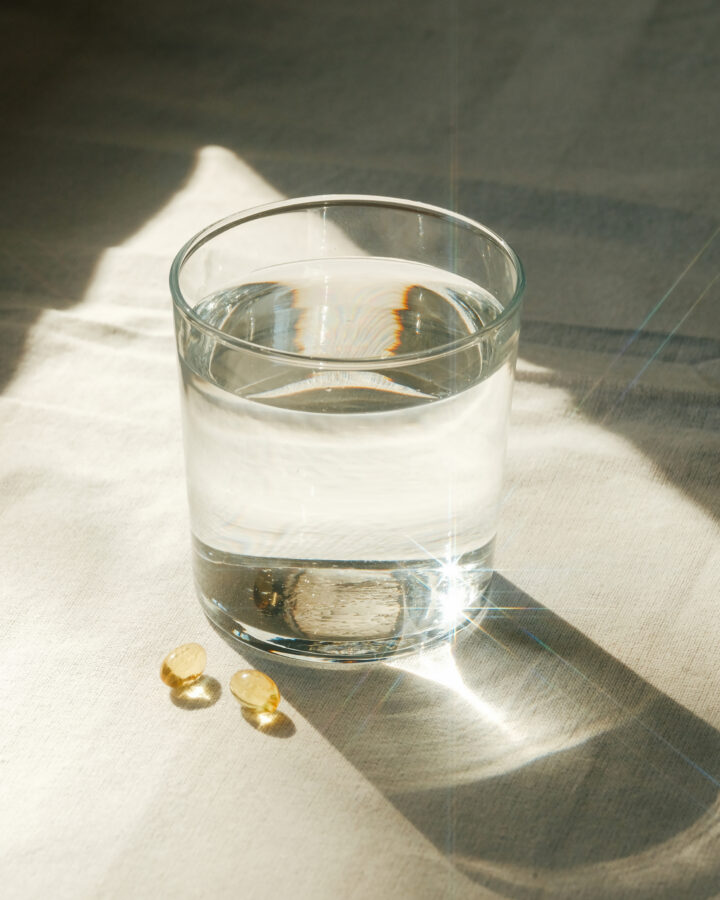
Whether antioxidants prevent cancer depends on how you consume them: plant-based foods, not supplements, an lower your cancer risk.
Out of all the nutrients, antioxidants must have the best PR team: their reputation is stellar, their name nearly synonymous with cancer prevention. But when you dig into the science, the proposition isn’t quite as straightforward as it seems. Whether antioxidants prevent cancer depends on how you consume them. Let us explain.
Think back to high school chemistry class for a moment. Unstable molecules, called free radicals, can damage our cells, leading to cancer and other diseases. Antioxidants can donate an electron to stabilize free radicals, preventing these molecules from causing more harm.
That’s the elevator pitch for antioxidants, but keep in mind that there are thousands of different antioxidants with many unique properties. Fruits, vegetables, and whole grains are great dietary sources of these molecules. Conclusive research has shown that people who eat plenty of antioxidant-rich produce have a lower risk of developing certain cancers, including of the mouth, pharynx, larynx, esophagus, stomach, and lungs. Additional evidence suggests that plant foods may also lower the risk of colon, breast, pancreatic, and prostate cancer.
But too much of a good thing isn’t always helpful, especially if you are megadosing antioxidants in supplement form. Nine randomized controlled trials — most sponsored by the National Cancer Institute and published between 1993 and 2010 — did not find any strong evidence that antioxidant supplements can prevent cancer.
There’s also some evidence that antioxidant supplements may actually increase the risk of certain cancers, which is why the U.S. Preventive Services Task Force, an independent group of disease-prevention experts, advises against using beta-carotene and vitamin E supplements with that intent.
“Antioxidants in food exist in a complex matrix within that food,” Meghan Laszlo, MS, RD, CSO, a clinical nutrition coordinator at Cedars-Sinai Cancer, told Super Age in an email. “Once an antioxidant is isolated from the food and put in a supplement, it may not behave the same way in the body and is likely in a much higher amount or dose than you would get from eating a normal portion of the food it’s found in.”
Antioxidant Supplements May Not Belong in Your Stack
Don’t get us wrong: eating fruits and vegetables, which are naturally packed with antioxidants, is one of the best things you can do for your health. Antioxidant supplements, however, may not offer the same benefits.
“We tend to think that if a little bit of something is good, then a lot of it must be great. This leads to megadosing and relying too much on dietary supplements instead of focusing on improving diet quality,” Laszlo said.
Findings from the SELECT trial, published in 2011, suggest that healthy men who took vitamin E antioxidant supplements had an increased risk of developing prostate cancer. Another study from 2006 linked high-dose vitamin E supplements with higher mortality rates among head and neck cancer patients who were undergoing radiation therapy. More recent research has shown that beta-carotene antioxidant supplements can increase lung cancer risk in people who smoke.
Animal studies have also suggested that antioxidants, including vitamin E, may increase tumor growth or metastasis. We don’t typically cover mouse studies because the same results are not guaranteed in humans, but these are worth mentioning since they highlight a counterintuitive way that high doses may affect cancer cells.
“These [mouse] studies are important scientifically, but they do not directly translate to humans eating normal diets,” Eleonora Teplinsky, MD, head of breast and gynecologic medical oncology at Valley-Mount Sinai Comprehensive Cancer Care, told Super Age in an email. “The doses were often very high, the models simplified, and supplements are very different from eating antioxidant-rich foods.”
She added: “Antioxidants are not universally ‘good’ or ‘bad’ when it comes to cancer. In healthy cells, antioxidants help reduce oxidative stress and DNA damage, which is one reason diets rich in fruits, vegetables, legumes, nuts, and other plant foods are associated with better overall health and can lower cancer risk.” However, she notes that cancer cells can use antioxidant pathways to “survive, grow, and sometimes resist treatment.”
So do antioxidants fight or fuel cancer? If your head is spinning, stick with us.
“Most oncologists still encourage getting antioxidants from whole foods while being cautious with supplements unless there is a specific medical reason to use them,” says Teplinsky, also the author of the forthcoming book Beyond The Pink: Navigating Life, Health, and Breast Cancer.
What Cancer Experts Want You to Remember About Antioxidants
Like “[soo-per-food]nounA nutrient-rich food that offers health benefits.Learn More: Superfood” or “clean-eating,” “antioxidant-rich”, is a wellness buzzword that has taken on a life of its own. Rather than relying on overblown marketing claims, stick to the basics: a balanced diet rich in whole foods is the way to go.
People with cancer are especially encouraged to focus on getting antioxidants from their diet rather than supplements.
“There is no evidence to support that antioxidant-rich, whole foods or beverages should be avoided during cancer treatment. In fact, eating a diet high in plant-based foods, including fruits, vegetables, whole grains, nuts, seeds, herbs, spices, cacao, coffee, or tea, is the best way to be sure you’re getting a variety of antioxidant exposure,” Laszlo said.
Eating foods with antioxidants, like vitamin C, [zingk]nounA mineral important for immune function and wound healing.Learn More: Zinc, and anthocyanins, also gives your body fiber and other essential nutrients to support optimal health, Laszlo said.
From a prevention standpoint, that means you’ll get even more bang for your buck: research suggests that getting enough fiber in your diet helps lower the risk of colorectal, breast, pancreatic, and prostate cancers.
Antioxidant Effects are Not Black and White
About 50% of your cancer risk is modifiable through lifestyle: eating plenty of whole foods, exercising, sleeping well, and not smoking go a long way towards protecting your DNA and cellular health. But other factors that influence cancer risk are out of your control, like genetics and the environment; it’s important not to beat yourself up if you’ve taken antioxidant supplements believing these would lower your risk of cancer or slow its progression.
So what should you do? First of all, take a deep breath and don’t panic. Next, talk with your healthcare provider about any supplements you take, including but not limited to antioxidants.
Knowing if antioxidants will fight or fuel cancer depends on their source and dose, as well as an individual’s smoking status, and if the person is on a specific type of cancer treatment, notes Laszlo. While your doctor may endorse dietary sources of antioxidants (both for cancer prevention and for broader health), they’re likely to advise more careful consideration of supplements or other sources. Starting the conversation — about this and other preventative measures — will help put the power back in your hands.
Read This Next
The information provided in this article is for educational and informational purposes only and is not intended as health, medical, or financial advice. Do not use this information to diagnose or treat any health condition. Always consult a qualified healthcare provider regarding any questions you may have about a medical condition or health objectives. Read our disclaimers.
Written By:
