

Eating More of This One Food Cuts High Blood Pressure Risk By Nearly a Third
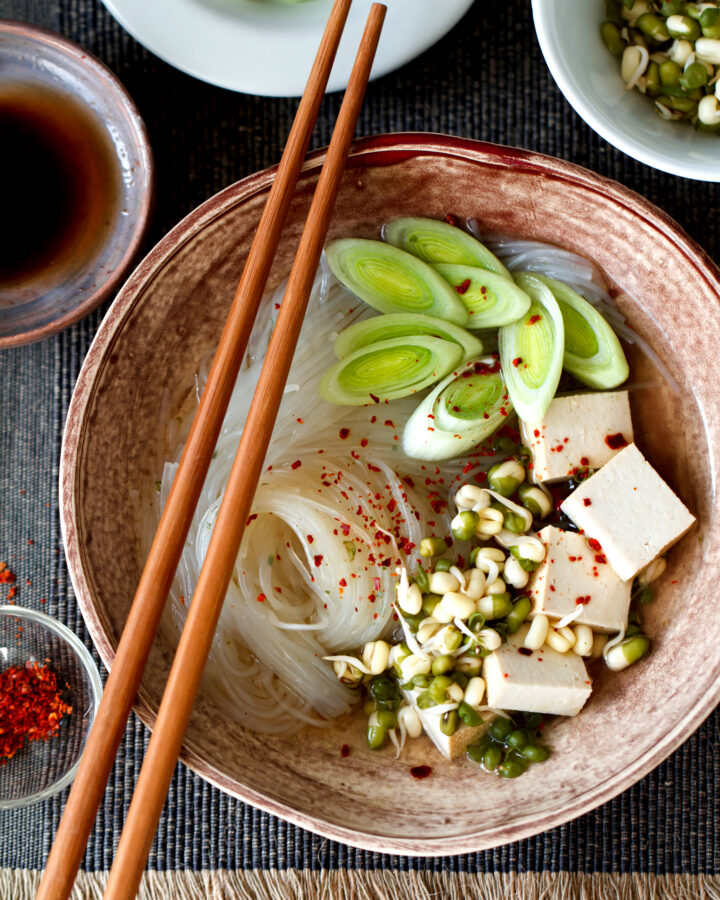
A simple dietary addition — one that most Americans skip — could singlehandedly slash your blood pressure.
Want to decrease your risk of hypertension by 30% without medication? The answer could be simple: eat more legumes, such as beans, chickpeas, lentils, peas, and edamame. Dietitians like Anne VanBeber, PhD, RD, LD, CCMS, CFCS, FAND, a professor of nutritional sciences at Texas Christian University, constantly sing the praises of these underrated foods, which are rich in fiber, protein, vitamins, and minerals, with science-backed benefits.
“Everybody I know, all my students, everybody knows that I promote beans so much because Americans just don’t eat their beans,” VanBeber tells Super Age. “Every healthy culture on the planet eats beans and I don’t know why they have such a negative rep here.”
Now, new research published in BMJ Nutrition Prevention & Health adds to the rich body of evidence suggesting that legumes, the edible seeds and pods from the Fabaceae family of plants, possess heart-protecting properties. In an analysis of a dozen studies from three continents, researchers found that people who regularly ate legumes had a lower risk of developing high blood pressure, a major risk factor for cardiovascular disease — the leading cause of death worldwide.
What Research Reveals About Beans and Blood Pressure
Researchers analyzed results from the 12 studies, all evaluating the link between legume intake and hypertension risk. In each of the studies, researchers recorded individuals’ eating habits and tracked their outcomes, rather than prescribing a specific legume-enriched diet. The results showed that:
- People with the highest legume and soy intake were 16% and 19% less likely, respectively, to develop hypertension compared with those eating the lowest amounts.
- Every 100 grams (about one cup) of legumes and soy people ate per day was associated with a 12% and 24% lower risk, respectively, of hypertension.
- The benefits kept increasing up to 170 grams of legumes per day, or around 1 ¾ cups. People who ate that much had nearly a 30% lower risk of hypertension.
- People who ate 60 to 80 grams (around ¾ cup) of soy foods, such as edamame, tofu, tempeh, miso, or soy milk, had a 28% to 29% lower risk of hypertension.
The results lined up with what the researchers expected, says study author Dagfinn Aune, PhD, a research fellow at the Department of Epidemiology and Biostatistics at the School of Public Health of Imperial College London, tells Super Age.
“The findings are in general consistent across cohort studies,” Aune said. “In addition, there is some data from randomized clinical trials showing that legumes and soy can contribute to blood pressure lowering.”
Two Minerals That Lower Blood Pressure
More research is needed to determine exactly how legumes reduce hypertension risk. However, researchers think it might have something to do with the minerals, fiber, and bioactive compounds packed in each pod.
Legumes are rich in potassium and magnesium, minerals known to help control blood pressure. Potassium helps regulate sodium balance to take pressure off blood vessels, while magnesium aids production of [nahy-trik ok-sahyd]nounA molecule produced naturally in the body that relaxes blood vessels, improves circulation, and supports heart and brain function.Learn More: Nitric Oxide, a gas that helps blood vessels relax so blood can flow easily.
Legumes also pack plenty of fiber. When gut bacteria ferment certain fibers in legumes, they produce short-chain fatty acids that spur nitric oxide production to keep blood flowing smoothly through vessels. In addition, soy foods contain isoflavones, compounds that turn up nitric oxide secretion and influence the renin-angiotensin-aldosterone system, a hormonal system involved in blood pressure regulation.
Nutrient-rich legumes have other cardiovascular and metabolic benefits, too. A review of randomized controlled trials published in the European Journal of Nutrition found that when people added more legumes to their diets, they improved their total cholesterol, LDL cholesterol, and fasting blood sugar.
Four Ways to Increase Your Potassium and Magnesium
Exactly how much should you eat? The new research points to 170 grams (about 1 ¾ cups) of legumes per day as the sweet spot for reducing hypertension risk, with 60 to 80 grams (around ¾ cup) from soy counting toward the total, says Aune.
Try these strategies to hit your target:
- Stock your pantry. Keep canned and dried legumes on hand so you always have them ready. If you think dried beans are too much work, go with lentils. “Lentils are so easy to cook because they don’t need to be soaked at all, and they literally cook in 15 minutes,” says VanBeber, who was not involved with the new study.
- Don’t overthink it. You don’t have to overhaul your diet. “Think of things you already eat, and add a bean to it,” suggests VanBeber. Soups, salads, grain bowls — legumes fit in all of them.
- Draw inspiration from international cuisines. Try something new, such as Mapu Tofu from China, dal from India, white beans from the Mediterranean, falafel from the Middle East, or miso soup with tofu from Japan.
- Grab your blender. “You can make a hummus or a dip out of any of the beans,” says VanBeber. White beans, in particular, make a creamy, smooth spread. Use pureed beans to thicken soups, or stir up a creamy salad dressing with less oil.
- Treat legumes like a blank canvas. If you think beans are boring, or their flavor simply isn’t your favorite, add your favorite spices or hot sauce.
Read This Next:
The information provided in this article is for educational and informational purposes only and is not intended as health, medical, or financial advice. Do not use this information to diagnose or treat any health condition. Always consult a qualified healthcare provider regarding any questions you may have about a medical condition or health objectives. Read our disclaimers.
Written By:
