

5 Reasons Beets Belong In Your Longevity Toolkit
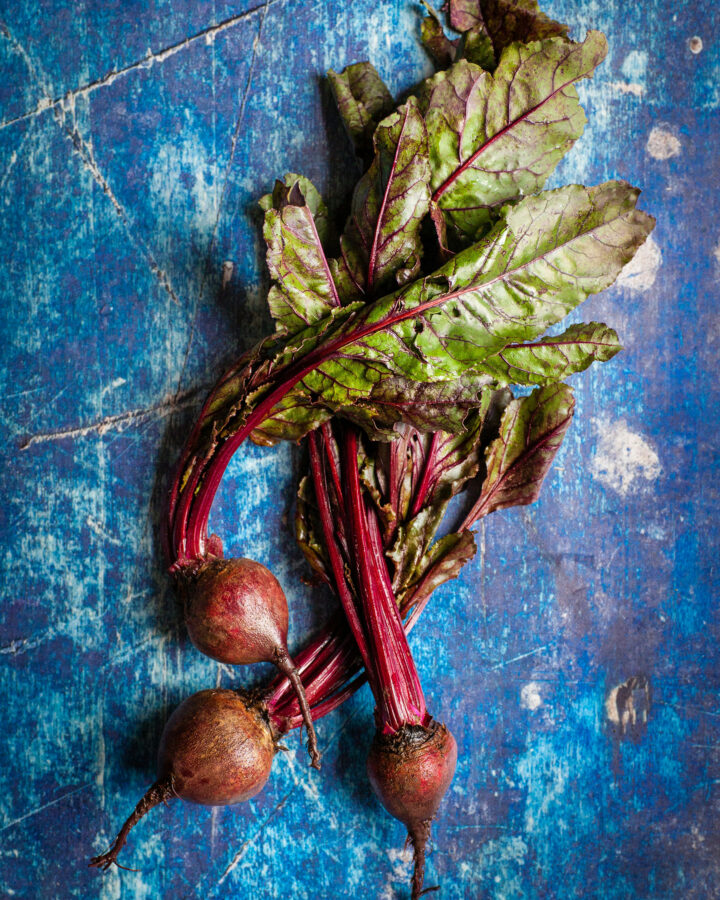
Don’t let their humble appearance fool you. Beets are packed with nutrients and plant compounds that can support your heart, your gut, and your health for years to come.
Whether roasted, blended into smoothies, or added to salads, beets add more color, fiber, and beneficial plant compounds to your plate. Their greatest contributions tend to hide in plain sight: that deep-red hue you associate with slicing into the root vegetable? That’s from antioxidant-rich betalains, which help combat oxidative stress, and by extension, age-related diseases.
While beets are just one part of a longevity-focused plate, eating them more often is a small step that can make a big difference in support of healthy aging. Studies show that includes the heart, brain, health, gut, and more.
Beets are a Nutritional Powerhouse
If you’re looking to pack plenty of nutrients into a low-calorie snack, beets should become a fixture. Beets are a good source of gut-boosting fiber, and folate, a B vitamin involved in cell growth and DNA production. They also provide vitamin C and manganese, which play roles in immune health, antioxidant defense, and metabolism.
Their other nutritional features can be grouped by their impact — on the heart, brain, gut, and immune system. Read on!
Beets Support [hahrt helth]nounThe overall condition and function of the cardiovascular system, including blood pressure, cholesterol, and arterial health; critical for longevity and disease prevention.Learn More: Heart Health
One of the most well-studied benefits of beets is their impact on heart health. Beets are rich in dietary nitrates, which the body converts into [nahy-trik ok-sahyd]nounA molecule produced naturally in the body that relaxes blood vessels, improves circulation, and supports heart and brain function.Learn More: Nitric Oxide — a molecule that helps relax and widen blood vessels, supporting healthy [bluhd floh]nounThe movement of blood through the circulatory system, delivering oxygen and nutrients to organs and tissues to support energy, healing, and overall health.Learn More: Blood Flow and blood pressure. Helping to support exercise capacity, heart health and overall longevity.
In a 2022 systematic review and meta-analysis of randomized controlled trials, nitrate-rich beetroot juice lowered systolic blood pressure by nearly 5 mmHg in adults with hypertension. Building on these findings, another study uncovered a surprising mechanism that appears to connect the two: the nitrates in the beetroot juice alters the bacteria in our mouths involved in supporting the production of nitric oxide. All the more reason to switch things up and add some beets into your weekly rotation.
Research also suggests that higher intakes of nitrate-rich vegetables are associated with a lower risk of cardiovascular disease. And it’s not only the nitrates that give beets their heart healthy properties. One cup of raw beets contains around 400 to 500 mg of potassium (roughly 10% of your daily needs), which naturally balances sodium levels and eases the tension on blood vessel walls.
They’re Good for Your Brain
As doctors often say, what’s good for the heart is good for the brain. That same research suggesting that the nitrates in beets support oxygen utilization, blood flow, and vascular health also points to better cognitive function as we age.
And there’s another, more roundabout way that eating beets could support both the brain and the heart: through enhanced physical performance. This study suggests that beetroot juice supplementation was linked to improved muscle strength, better aerobic endurance, and improved lactate tolerance. It’s worth noting that many of the performance markers it measured were improved only marginally, but the findings do suggest that nitrate-rich vegetables like beets can help get things trending in the right direction.
Beets Support Gut Health
Beets are a good source of fiber and contain unique plant compounds that support healthy digestion and gut health. One cup of beets contain about 4 grams of fiber — specifically prebiotic fiber which helps feed the good bacteria ([proh-by-ot-iks]nounLive bacteria that promote gut and immune health.Learn More: Probiotics) in the gut.
With many adults not meeting the recommended daily allowance for fiber — 25 grams per day for women and 38 grams per day for men — incorporating beets into power bowls, side dishes and even smoothies is a great way to hit your daily goal.
Research also suggests beet compounds can encourage the growth of beneficial bacteria such as Bifidobacteria and increase the production of short-chain fatty acids. These compounds help nourish the cells lining the colon and support [dih-jes-tiv helth]nounA healthy gut that supports nutrient absorption and immune function.Learn More: Digestive Health. By nourishing the healthy bacteria in the gut, you can support your [mahy-kroh-bahy-ohm]nounThe community of microorganisms (bacteria, viruses, fungi) living in a particular environment, especially the gut.Learn More: Microbiome and bolster your immunity.
They Reduce [in-fluh-mey-shuhn]nounYour body’s response to an illness, injury or something that doesn’t belong in your body (like germs or toxic chemicals).Learn More: Inflammation
Beets are rich in betalains, the pigments behind their color, which reduce inflammation by interfering with the NF-κB signaling pathway, a key driver of the inflammatory cascade. Human data is limited, but one notable trial found that betalain-rich capsules taken for 10 days reduced pain and inflammation in patients with osteoarthritis.
Someday, this could play a role not only in the prevention of disease, but also in its treatment. As another study notes: “Beetroot is also being considered as a promising therapeutic treatment in a range of clinical pathologies associated with oxidative stress and inflammation. Its constituents, most notably the betalain pigments, display potent antioxidant, [an-tee-in-flam-uh-tawr-ee]adjectiveReducing inflammation, which contributes to better overall health.Learn More: Anti-Inflammatory and chemo-preventive activity in vitro and in vivo.”
Compound the Benefits By Eating Your Beet Greens
Just one tip, before you head off to prep your week’s supply of beet salad. Turns out the parts of beets we usually toss—the stalks and leaves—are quietly packed with antioxidant, anti-inflammatory flavonoids worth a second look. Beet greens are completely edible and are a good source of vitamins A, C, and K, as well as calcium and iron.
Some of the benefits are still emerging: In a study on mice fed a high-fat diet, adding dehydrated beet stalks and leaves led to a modest improvement in blood sugar regulation and lowered levels of the inflammatory marker TNFα, without affecting liver fat. It’s still an open question whether that blood sugar benefit comes from better insulin secretion, better glucose uptake by muscle and fat tissue, or both — but it’s a compelling reason not to compost those greens just yet.
Read This Next:
The information provided in this article is for educational and informational purposes only and is not intended as health, medical, or financial advice. Do not use this information to diagnose or treat any health condition. Always consult a qualified healthcare provider regarding any questions you may have about a medical condition or health objectives. Read our disclaimers.
Written By:
