

Could a Little-Known Nutrient Be the Key to Healthier Immune Aging?
A nutrient found in common foods may strengthen your immune system and improve vaccine response.
As our bodies age, our immune systems become less effective. It’s not just that fighting off infections gets harder; vaccines also produce a lower response in older adults, leaving them more susceptible to the diseases they should be resistant to.
But scientists have discovered that a compound found in some common foods may help wake our immune systems back up.
A recent pilot study in Aging Cell shows promising evidence that spermidine, a naturally occurring polyamine compound found in all living cells, could help improve older adults’ vaccine response. And the implications of the study go far beyond simple supplementation.
Immune Aging and Vaccine Response
Over time, immune cell function starts to decline, a process known as immunosenescence. This affects both the fast response system (innate immunity) and its long-term memory system (adaptive immunity).
Vaccines can help stimulate immune response, but they require the foundation of a strong immune system to work. Healthy immune systems produce more antibodies after receiving a vaccine, and those antibodies make you less susceptible to contracting the disease you’ve been vaccinated for.
“Most older adults can mount a good response to vaccination, but for some, ageing-related changes in immune cells may limit how effectively they respond,” says Dr. Ghada Alsaleh, PhD, an immunologist and one of the authors of the aforementioned study. Between 10–25% of older adults show this lowered vaccine response, depending on the study referenced.
Spermidine: A Simple Way to Fight Immune Aging?
Spermidine is a compound produced naturally by the human body and found in foods like wheat germ, mushrooms, and aged cheeses. It’s not entirely understood how spermidine boosts immune function, but research suggests it may be part of [aw-tof-uh-jee]nounThe body’s process of cleaning out damaged cells and regenerating new ones.Learn More: Autophagy (the clearing out of old cells and parts of cells), [in-fluh-mey-shuhn]nounYour body’s response to an illness, injury or something that doesn’t belong in your body (like germs or toxic chemicals).Learn More: Inflammation reduction, and regulation of cell growth, among other mechanisms.
Immunologist Katja Simon, head of the Cell Biology of Immunity Lab at the Max Delbrück Center (MDC), has spent years studying autophagy. Her research shows that autophagy declines with age, causing immune cells to accumulate cellular junk and function less effectively over time.
“When autophagy is absent, immune cells age rapidly because they accumulate diseased [mahy-tuh-kon-dree-uh]nounOrganelles in cells responsible for producing energy (ATP), often called the powerhouse of the cell.Learn More: Mitochondria and other harmful organelles,” Simon recently told MDC’s news outlet. “Then we start to see common signs of aging: neurodegeneration, cardiovascular problems, and adult-onset diabetes.”
The animal studies: To test whether restoring autophagy could reverse cellular decline, Simon’s team first turned to aged mice, giving them spermidine to see if it could boost a weakened immune system. The results were striking: after a flu shot, spermidine-treated mice produced a surge of T cells that remained nearly double that of young mice even 50 days later, Simon notes.
Another mouse study looked at the immune aging effects of dampened autophagy genes. “If we turn off autophagy genes in immune cells, the immune system of a two‑month-old mouse looks like that of an 18-month-old mouse just before it dies,” Simon told MDC. “That’s really bad, right?”
The human trial: Simon’s team then took the research a step further, running the aforementioned clinical trial in older adults. People received spermidine for 13 weeks after a COVID vaccine, and those who received it had a notably stronger vaccine response and held onto their immune memory cells longer than those who didn’t. Because spermidine levels naturally decline after age 65, Simon believes it could offer a way to keep aging immune systems more resilient.
A few caveats: the human study was also only a small pilot, with 40 people. And, as Simon says, there’s no way to tell if you’re in the group of adults who has lowered vaccine response, “except measuring antibody levels to the COVID vaccine perhaps, which your doctor might do for you, or perhaps having had severe COVID infection after having had two or three boosters.”
But with all of those benefits — and no adverse effects found in the study — it’s noteworthy research. You might be wondering if you should start supplementing with spermidine.
Spermidine May Also Help with Anemia
Simon’s research on autophagy extends beyond immune aging into blood health. In a 2010 study, she found that mice lacking the autophagy gene in their hematopoietic stem cells, the cells that give rise to red and white blood cells, died of anemia. The reason comes down to basic cell biology: red blood cells must break down their own mitochondria and other internal structures in order to shrink small enough to pass through the body’s smallest capillaries and deliver oxygen. Without autophagy to clear out those structures, the cells become toxic to themselves and begin to die off.
It’s here that spermidine offers a potential path forward: by boosting autophagy, it may help these blood-forming stem cells function as they should, offering a possible avenue for addressing anemia tied to cellular aging. The link remains unproven, so more research is the first step.
Is It Time to Start Taking Spermidine?
You can already buy spermidine supplements, but running out to get one might be jumping the gun a bit, the experts say. For one, many supplements sold in the United States have been shown to contain very little or none of the ingredients mentioned on the label. And, Simon notes that few spermidine supplements on the market have been rigorously tested in clinical trials.
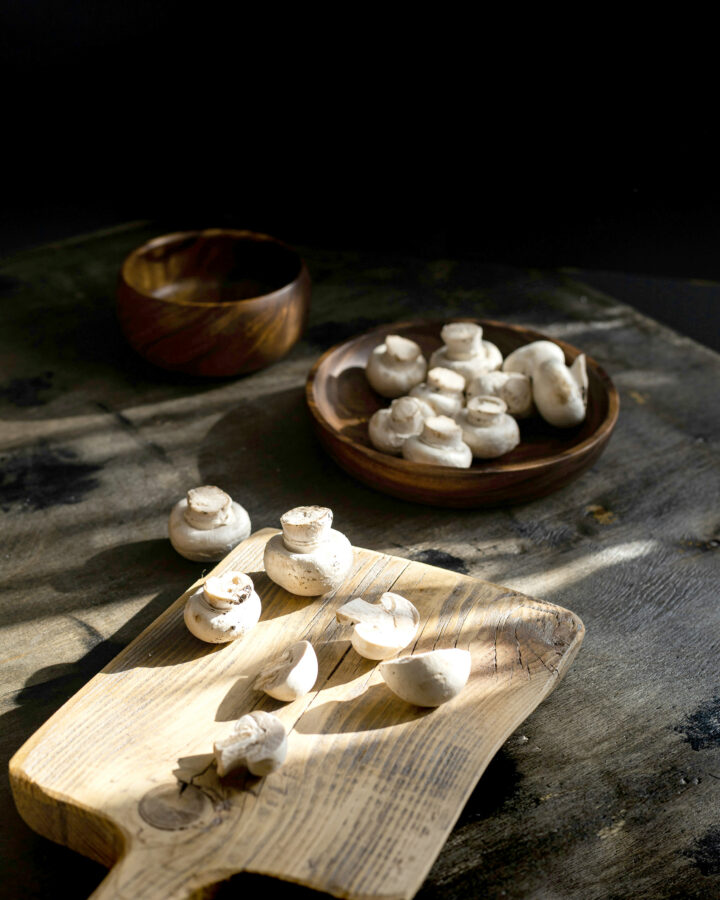
So, rather than going straight to supplements, a dietary approach is best. Wheat germ, soybeans, aged cheeses, mushrooms, legumes and whole grains are all good sources of spermidine.
There are also other ways to increase autophagy: [in-ter-mit-nt fas-ting]nounAn eating pattern alternating between fasting and eating periods.Learn More: Intermittent Fasting and long-term calorie reduction have been shown to help things along. “You give the system a push to recycle the old material,” Simon told MDC. “I’ve been eating much less myself since I started this research.”
Dr. Simon’s other recommendations call back to the basics: a varied and healthy diet, working out regularly, and staying up to date on your vaccines. Even focusing on these simple tasks will help you stay healthy and disease-free in your 60s, 70s, and beyond.
And, as we learn more about older adults’ immune function, nutrients like spermidine are one more tool that might help sway things in our favor.
“These are early findings,” says Dr. Alsahleh, “but they raise an important possibility: rather than simply making vaccines stronger, we may also be able to improve the biological fitness of the ageing immune system so that it can respond more effectively.”
Read This Next:
The information provided in this article is for educational and informational purposes only and is not intended as health, medical, or financial advice. Do not use this information to diagnose or treat any health condition. Always consult a qualified healthcare provider regarding any questions you may have about a medical condition or health objectives. Read our disclaimers.
Written By:
