

The Best and Worst Foods to Prevent GI Cancer (and Why Big Picture Patterns Matter the Most)
Kirstin Mckee - Stocksy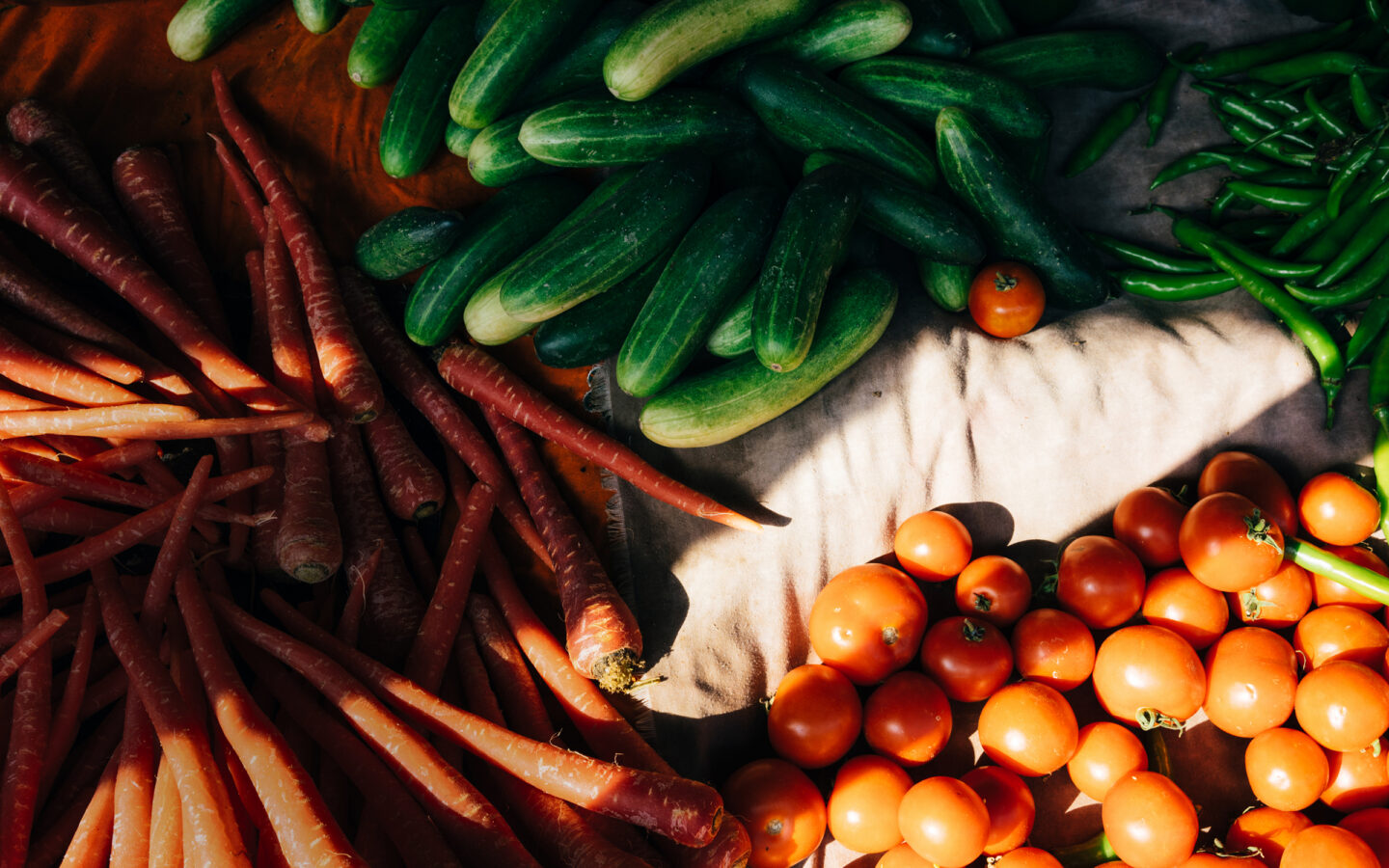
Here’s another reason to eat a well-balanced diet rather than obsessing over individual ingredients.
You already know diet belongs in the same toolkit as exercise and regular colonoscopies when it comes to fighting gastrointestinal (GI) cancer. What’s less obvious is how much leverage that gives you. The National Institutes of Health (NIH) attributes roughly 5% of US cancer cases directly to poor diet, but factor in diet’s indirect influence (how it shapes [in-fluh-mey-shuhn]nounYour body’s response to an illness, injury or something that doesn’t belong in your body (like germs or toxic chemicals).Learn More: Inflammation, weight, and metabolic health) and that number climbs to as much as 40% of all cancers.
When we look at GI cancers specifically, the World Gastroenterology Association notes, diet plays an even clearer role. Roughly 21% of all cases have a direct link to diet, with even higher numbers for certain types: 33% of colorectal cancer cases and 31% of esophageal squamous cell cancers can be traced back to poor diet.
Here’s the part that tends to surprise people: GI cancers alone make up a quarter of all cancer cases worldwide, spanning the stomach, intestines, and colon as well as the pancreas, liver, and esophagus. In 2020, these cancers accounted for 5 million new diagnoses and 3.5 million deaths globally, and the trend is moving in the wrong direction, with rates climbing fastest among adults under 50.
That means that by reducing your risk of digestive cancers, you could add years to your life and dramatically extend your [helth-span]nounThe number of years you live in good health, free from chronic illness or disability.Learn More: Healthspan. And best of all, what’s good for your gut also happens to be good for just about every other part of your health.
The Best and Worst Foods for GI Cancer Prevention
While a broadly healthy diet (we’ll get into what that means in just a moment) appears to reduce GI cancer risk, let’s take stock of what the research tells us about the specific foods that hurt and help.
Foods to limit:
Red and processed meats: The World Health Organization classifies red meat as a probable carcinogen and processed meat as a known carcinogen. Heme iron, found in these meats, can damage the DNA lining your gut, the American Cancer Society explains. Cooking at high heat, like grilling or frying, adds another layer of risk by creating compounds that are harmful to gut cells. And because these meats tend to be high in saturated fat, they also drive up inflammation, which creates conditions that make cancer more likely to take hold.
Alcohol: Alcohol breaks down into acetaldehyde, a chemical that damages DNA directly. The ACS ranks it alongside smoking and excess weight as one of the most common, and most avoidable, causes of cancer — including GI cancer. How, exactly? Drinking causes damage to your body tissues, alters nutrient absorption and how your body gets rid of harmful chemicals, affects your hormone levels, and leads to weight gain and inflammation.
Smoked foods: The Cleveland Clinic says you should think of smoked meats as “contaminated meats,” since the smoking process creates compounds called PAHs and nitrosamines, both linked to DNA damage in stomach tissue. Regularly eating smoked meats and fish is tied to higher rates of gastric cancer, and the World Health Organization classifies this food group as a Group 1 carcinogen.
Processed foods: These are often high in salt, preservatives, and additives while low in fiber. That combination feeds inflammation and starves the gut of what it needs to stay resilient, both of which raise long-term cancer risk. A 2024 study shows that the relationship is dose dependent: those who eat the most ultra-processed foods are at the highest risk of GI cancers.
Excessively salty foods: A high-salt diet irritates and wears down the stomach lining. Over time, that damage makes the lining more vulnerable. It also seems to make existing H. pylori infections — common bacterial infections of the stomach and the leading risk factor for stomach cancer — more widespread and destructive.
Foods to emphasize:
Fiber-rich fruits and veggies: Fiber feeds the good bacteria in your gut, which produce short-chain fatty acids that calm inflammation and help keep the gut lining strong. Fiber also moves waste through your system faster, cutting down the time harmful compounds spend in contact with your gut wall. Worth noting: starchy vegetables such as potatoes don’t count toward your 5 a day. Aim instead for lots of leafy greens, cruciferous veggies, antioxidant rich fruits, and aromatic alliums.
Whole grains: Like produce, whole grains are packed with fiber and add antioxidants and plant compounds that help protect cells from damage. Studies consistently link whole grain intake to lower colorectal cancer risk.
Legumes: Beans, lentils, and chickpeas are another strong source of gut-friendly fiber. A recent study found that eating plenty of legumes is linked with a lower risk of several cancer types, including those of the upper aerodigestive tract, stomach, colorectum, and kidney.
Vitamin C-rich foods: Vitamin C is an antioxidant, meaning it helps neutralize unstable molecules that would otherwise damage DNA. One study found that getting more than the recommended amounts — 75 mg for women and 90 mg for men — was linked with the lowest risk levels.
Probiotic foods: Probiotic foods such as yogurt, sauerkraut, kimchi, miso, and pickles should also be on the list (while remaining conscious of sodium). One Nature study of nearly 10,000 people found that after adjustment, consumption of [proh-by-ot-iks]nounLive bacteria that promote gut and immune health.Learn More: Probiotics, prebiotics, or yogurt was associated with approximately 50% lower odds of colorectal cancer.
Foods that suppress H. pylori infection: H. pylori is the single biggest risk factor for stomach cancer, since long-term infection triggers chronic inflammation that can gradually push healthy cells toward becoming cancerous. Foods like broccoli sprouts, garlic, green tea, and citrus contain compounds that suppress the bacteria’s growth or blunt the inflammation it causes. They’re not a replacement for antibiotic treatment, but they can help lower the bacterial load and support the gut while the body fights the infection.
Your Overall Pattern Matters Most
The dietary conversation is often framed this way, around the foods that you should cut out and those you should lean into. But research recently presented at Nutrition 2026, the American Society for Nutrition’s annual meeting, suggests that focusing on overall eating patterns can reduce biomarkers associated with GI cancers.
Less anchored in the extremes of superfoods and banned foods than a middle ground of high quality ingredients and nutritional variation, that research “underscores the importance of a general healthy diet,” Sarah Alver, PhD, RD, first author of the study and postdoctoral research fellow at the Fred Hutch Cancer Center, told Super Age.
The study participants, 3,749 Hispanic adults in the US, provided diet information via 24-hour recalls and had their blood taken for biomarker assessments. The researchers analyzed the data and determined that those with better diet quality had lower levels of gastrointestinal cancer biomarkers in the blood.
“Diet quality matters for GI cancer risk because high-quality — Mediterranean or plant-rich, whole food — diets reduce gut inflammation, protect cell DNA and gut [mahy-kroh-bahy-ohm]nounThe community of microorganisms (bacteria, viruses, fungi) living in a particular environment, especially the gut.Learn More: Microbiome,” Samantha Schlitt, MS, RD, a registered dietitian at Henry Ford Cancer – Detroit, told Super Age in an email.
What does a “healthy” diet pattern look like? Swapping packaged foods for whole foods is a safe place to start. These are minimally processed, free from added sugars, artificial ingredients, and refined grains. (Processed foods can lead to elevated inflammatory chemicals that may damage tissue and encourage cancer cell growth, Schlitt notes.) From there, you can hone a longevity-oriented eating pattern that emphasizes fiber-packed, plant-forward nutrition.
Diet Matters Even For People with Healthy Body Weight
In addition to your diet, staying physically active and maintaining a healthy body weight are also key for lowering GI cancer risk. Studies have shown a link between higher BMI and 19 of the most common cancer types.
But diet quality still matters, even if your BMI falls within the healthy range. When Alver and her team considered body fat (adiposity) in the study, they saw a strong association between some biomarkers and diet in people with lower adiposity.
“One possible takeaway from that is that even though people of normal weight and adiposity may have a lower risk of those cancers, diet does still play a role for them,” she said.
3 Ways to Eat a Higher Quality Diet
Starting a new eating pattern can feel overwhelming. You don’t have to make a big change all at once. Registered dietitian Samantha Schlitt shared some tips for getting started:
- Create a plan for a plant-forward diet. The Mediterranean diet is a great whole-foods-focused healthy eating pattern. Schlitt recommends this for people looking to lower GI cancer risk, because it “focuses on plenty of fruits, vegetables, whole grains, lean protein, healthy fats, and dairy.”
- Start with simple swaps. You don’t have to adopt a plant-forward or Mediterranean diet overnight. “Start where you are. Some simple food swaps would be grilled chicken sausage or portobello mushrooms over hot dogs. Chicken or egg salad over salami/lunch meat. Frozen fruits with Greek yogurt instead of ice cream,” Schlitt said.
- Don’t believe the sugar-cancer myth. There are tons of misconceptions online about anti-cancer diets — including that sugar, even from fruit, causes the disease. Limiting added sugars and processed foods is important, but you need healthy carbohydrates as part of a balanced, high-quality diet. “Most believe that sugar feeds cancer or directly increases cancer risk. There is no direct correlation between these two. All cells (healthy and cancerous) need glucose (sugar) to grow. Eating sugar does not make cancer grow faster, and cutting out sugar completely will not starve your cancer,” Schlitt said.
Read This Next:
The information provided in this article is for educational and informational purposes only and is not intended as health, medical, or financial advice. Do not use this information to diagnose or treat any health condition. Always consult a qualified healthcare provider regarding any questions you may have about a medical condition or health objectives. Read our disclaimers.
Written By:

