

Roasted Chickpea and Arugula Salad With Lemon Za’atar Dressing
Bright, tangy, fiber-filled and flavorful, this might just become your favorite summer salad.
When we have the time, my husband and I love to dream up meals and cook. On long vacations, it’s a top-three activity. But on busy, everyday weeknights with our two young kids, things are very different: Dinner is almost always an afterthought, and usually a source of stress.
When in doubt, we default to simple Mediterranean meals. Things that come together with just a handful of ingredients. Ideally a few already in the cupboard. This bright, herb-forward salad made with crispy chickpeas, peppery arugula, and za’atar-lemon dressing pops up perennially. It’s a filling and fiber-rich side that everyone in our family will actually eat, and often even request.
The defining move here is roasting the chickpeas warm and tossing them directly onto the arugula. The heat wilts the greens just slightly, which helps the dressing absorb and brings everything together. Za’atar quality matters, too: Look for blends that list sumac and thyme high in the ingredients list (it’s the sumac that gives Za’atar its characteristic tang).
For an added serving of protein, and a more filling meal, whisk a dollop of Greek yogurt into the dressing. Or, top the salad with a few slices of grilled chicken (the dressing doubles as a marinade), to easily transform this simple side into a main.
Why It Works
Chickpeas: A powerhouse of high quality plant-based protein and fiber, chickpeas support muscle maintenance, digestive health, and steady blood sugar — all especially important as we age. They’re also rich in folate, iron, and magnesium, nutrients that support [hahrt helth]nounThe overall condition and function of the cardiovascular system, including blood pressure, cholesterol, and arterial health; critical for longevity and disease prevention.Learn More: Heart Health and energy metabolism.
Arugula: One of the most nutrient-dense leafy greens available, arugula is rich in vitamin K. According to the Cleveland Clinic, this supports bone density, healthy blood clotting, and wound healing. Its bitter compounds also stimulate digestive enzymes and support liver health.
Cucumbers: Cucumbers are about 95% water, notes the USDA, making them one of the most hydrating foods you can eat — a meaningful benefit since mild dehydration is surprisingly common and often goes unnoticed. They also contain antioxidants including quercetin and beta-carotene, which help reduce [in-fluh-mey-shuhn]nounYour body’s response to an illness, injury or something that doesn’t belong in your body (like germs or toxic chemicals).Learn More: Inflammation and support immune function.
Tomatoes: Tomatoes are one of the richest dietary sources of lycopene, an antioxidant strongly linked to reduced risk of [hahrt dih-zeez]nounConditions affecting heart health and circulation.Learn More: Heart Disease and certain cancers. They also deliver vitamin C, potassium, and folate, supporting immune function, blood pressure regulation, and cellular repair.
Za’atar: This herb-and-spice blend — typically thyme, sumac, oregano, and sesame — is quietly one of the most antioxidant-rich condiments in any kitchen. Thyme and oregano have well-documented antimicrobial and [an-tee-in-flam-uh-tawr-ee]adjectiveReducing inflammation, which contributes to better overall health.Learn More: Anti-Inflammatory properties, while sumac is particularly high in [pol-ee-fee-nawlz]nounPlant compounds that act as antioxidants.Learn More: Polyphenols that support cardiovascular and metabolic health.
Lemon: Beyond vitamin C, lemons contain flavonoids that support vascular health and reduce oxidative stress. The acidity also aids digestion by stimulating bile production, and the zest in particular is rich in compounds that research suggests may have anti-inflammatory and neuroprotective effects.
Feta: Feta is lower in calories and fat than most cheeses while still delivering a meaningful amount of protein, calcium, and phosphorus for bone health. It also contains [proh-by-ot-iks]nounLive bacteria that promote gut and immune health.Learn More: Probiotics that support gut [mahy-kroh-bahy-ohm]nounThe community of microorganisms (bacteria, viruses, fungi) living in a particular environment, especially the gut.Learn More: Microbiome diversity — and emerging research increasingly links a healthy gut to better sleep, mood, and immune function. Best of all, because it’s flavorful, you won’t need much to pack a big punch.
The Recipe: Roasted Chickpea and Arugula Salad With Lemon Za’atar Dressing
For the Salad
- 2 cans chickpeas, drained and rinsed
- 2 tablespoons olive oil
- 1.5 tablespoons za’atar
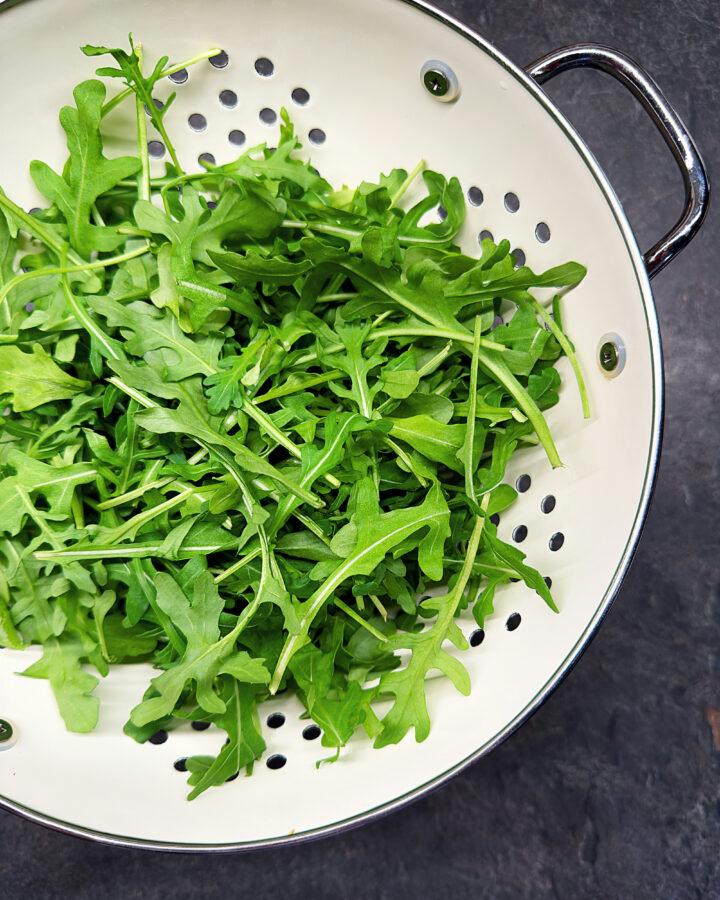
- 4 cups baby arugula
- 1 English cucumber, quartered lengthwise and sliced
- 1.5 cups cherry tomatoes, halved
- 0.5 small red onion, thinly sliced
- 0.5 cup kalamata olives, halved
- 0.8 cups feta cheese, crumbled
- 0.3 cups fresh mint leaves, torn
- 1 pinch black pepper
For the Dressing
- 2 tablespoons olive oil
- 1.5 tablespoons za’atar
- 2 lemons, zested and juiced
- 1 garlic clove, finely grated
- 1 teaspoon honey
- 1 pinch red pepper flakes (optional)
Steps:
- Dry and season the chickpeas: Preheat oven to 425°F. Drain and rinse chickpeas, then thoroughly dry with paper towels — the drier they are, the crispier they’ll get. Toss with 2 tablespoons olive oil, 1.5 tablespoons Za’atar, and black pepper. Spread in a single layer on a rimmed baking sheet.
- Roast the chickpeas for 25 minutes, shaking the pan halfway through, until they’re golden and crispy at the edges. Remove from oven and let cool slightly — they’ll continue to crisp as they rest.
- Make the dressing: In a small bowl, whisk together the juice and zest of 2 lemons, 1 garlic clove, finely grated, 1 teaspoons honey, remaining 2 tablespoons of olive oil, remaining 1.5 tablespoons of Za’atar, and a pinch red pepper flakes.
- Assemble the salad: Add 4 cups baby arugula to a large serving bowl. Top with cucumber, cherry tomatoes, onions, olives, and the warm chickpeas. Drizzle three-quarters of the dressing over everything and toss gently so the arugula wilts just slightly from the warmth of the chickpeas.
- Finish and serve: Scatter feta cheese and torn, fresh mint leaves over the top. Drizzle with the remaining dressing. Serve immediately while the chickpeas are still warm and crispy. Enjoy!
Read This Next:
The information provided in this article is for educational and informational purposes only and is not intended as health, medical, or financial advice. Do not use this information to diagnose or treat any health condition. Always consult a qualified healthcare provider regarding any questions you may have about a medical condition or health objectives. Read our disclaimers.
Written By:
