

Snacking on Walnuts 5 Times Per Week Cuts Mortality By 14% and Boosts Cognitive Health
Tom Hermans - Unsplash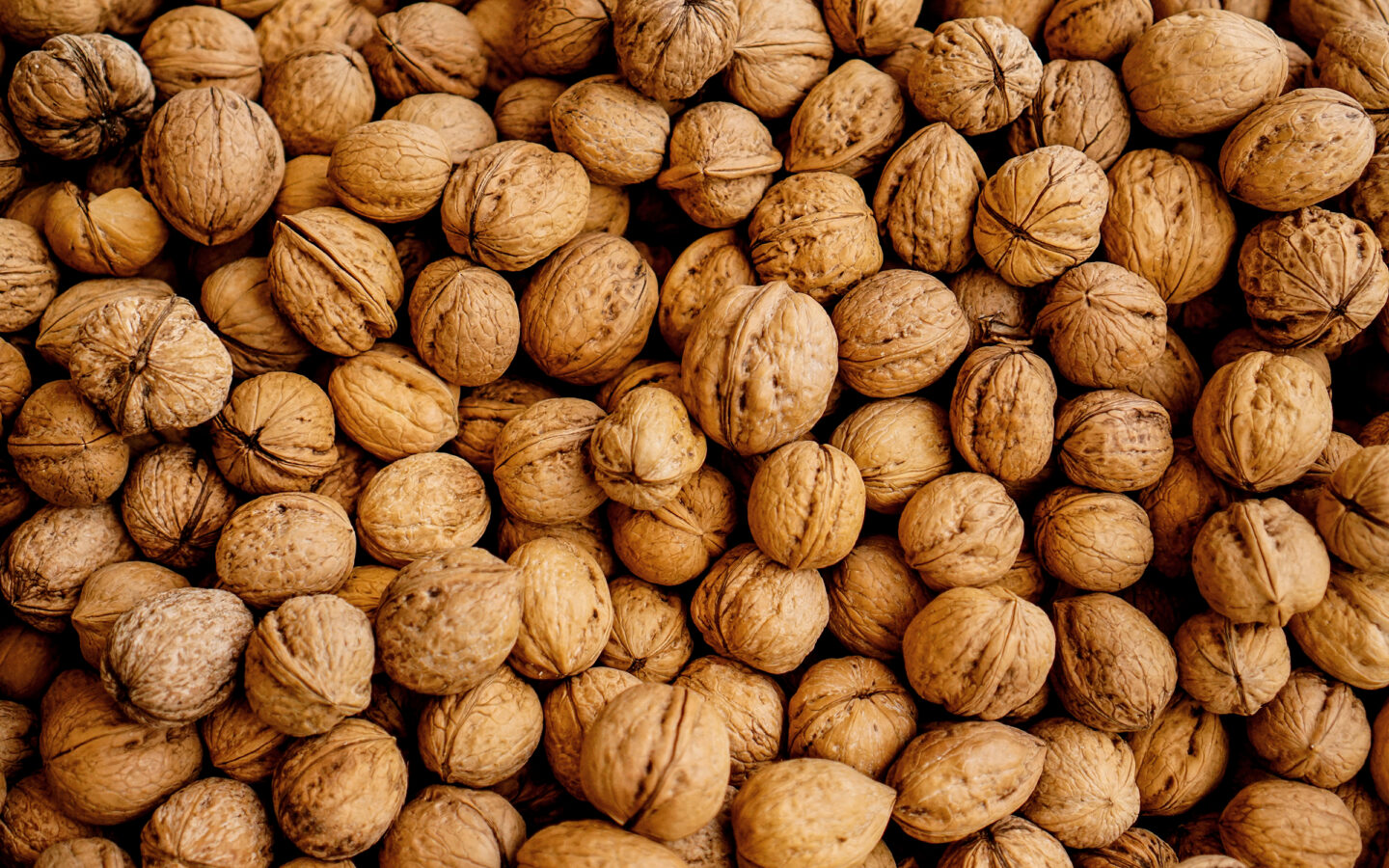
A daily handful of walnuts is linked to better cognition, less oxidative stress, and a lower risk of age-related decline. Your heart and gut may benefit, too.
Walnuts do more for your long-term health than almost anything else in your pantry. Not just another nut to overlook in your trail mix, they’re a stand out snack when it comes to [noo-tree-uhnt den-si-tee]nounA food’s concentration of beneficial nutrients per calorie.Learn More: Nutrient Density and the associated health benefits.
Most notably, walnuts contain a combination of plant-based omega-3 alpha-linolenic acid (ALA), polyunsaturated fats, fiber, protein, magnesium, and [pol-ee-fee-nawlz]nounPlant compounds that act as antioxidants.Learn More: Polyphenols. Rather than one single nutrient being responsible for their benefits, the combination of these nutrients and bioactive compounds make walnuts an especially great addition to the diet for [lon-jev-i-tee]nounLiving a long life; influenced by genetics, environment, and lifestyle.Learn More: Longevity.
Researchers refer to this as a “food matrix” effect — the idea that nutrients don’t act in isolation in the body. They interact, and sometimes those interactions produce benefits that are greater than the sum of their parts. Walnuts are a useful case study: their fiber slows how quickly fat and sugar are absorbed, their polyphenols have antioxidant and [an-tee-in-flam-uh-tawr-ee]adjectiveReducing inflammation, which contributes to better overall health.Learn More: Anti-Inflammatory properties, and their fat profile supports cardiovascular health. Together, these compounds appear to work synergistically rather than independently.
Of course, nuts are just one part of your diet, and diet is just one part of a longevity plan. But incorporating nutrient-dense foods like walnuts into an overall healthy eating pattern is one easy way to support heart, brain, and gut health and a healthy aging process. Here’s what you stand to gain by adding just a small handful to your daily diet, five times per week.
Walnuts May Help Support Brain Health
With two distinct halves and folded crevices, walnuts happen to look a lot like an organ they’re known to support: the brain.
Walnuts provide several nutrients that are beneficial to the aging brain, including healthy fat, polyphenols, and antioxidant compounds. Researchers have proposed that their potential benefits may relate to vascular health, oxidative stress, [in-fluh-mey-shuhn]nounYour body’s response to an illness, injury or something that doesn’t belong in your body (like germs or toxic chemicals).Learn More: Inflammation, and other processes involved in cognitive aging.
One meta-analysis looked at six studies, including two randomized controlled trials, examining the relationship between walnut consumption and cognitive performance. Five of the six found a positive association. The authors noted that walnut consumption appeared particularly promising compared with the inconsistent findings for nuts overall.
More specifically, a 2020 study published in the journal Nutrients found that walnuts may reduce oxidative stress and neuroinflammation, two key drivers of brain aging, including mild cognitive impairment and Alzheimer’s disease.
Walnuts Support [hahrt helth]nounThe overall condition and function of the cardiovascular system, including blood pressure, cholesterol, and arterial health; critical for longevity and disease prevention.Learn More: Heart Health
There’s also strong evidence to suggest that walnuts play an important role in cardiovascular health. Walnuts are rich in polyunsaturated fats, including ALA, and also contain fiber and polyphenols that all contribute to a healthy heart.
An updated systematic review and meta-analysis of 26 controlled trials involving more than 1,000 participants found that walnut-enriched diets resulted in significant reductions in total cholesterol, LDL cholesterol, and triglycerides without negatively impacting body weight or blood pressure. A more recent meta-analysis of randomized controlled trials found similar reductions in those metrics, confirming those benefits.
Walnuts may also support the health of the blood vessels themselves. A meta-analysis found that walnut consumption significantly improved flow-mediated dilation, a measure of endothelial function, suggesting a potential benefit for vascular health.
These findings all point to why regularly including walnuts as part of an overall heart healthy diet may be beneficial for long term cardiovascular health. Consider this your sign to stash walnuts in your fridge (to help preserve freshness) and sprinkle on a variety of dishes for breakfast, lunch, and dinner.
Walnuts Promote Gut health
Thanks to their fiber and polyphenol content that interact with gut microbes, walnuts also help to support the gut [mahy-kroh-bahy-ohm]nounThe community of microorganisms (bacteria, viruses, fungi) living in a particular environment, especially the gut.Learn More: Microbiome. One cup of walnuts contains approximately 5 grams of fiber.
In a randomized controlled crossover study of 18 healthy adults, researchers found that the group who ate a diet containing 42 grams of walnuts a day saw a change in the composition of the gut microbiota, including increasing the abundance of several bacteria which are associated with butyrate production (a short-chain fatty acid produced when good bacteria in your lower intestine ferment dietary fiber).
Plus, we know that eating in a diverse way (prioritizing different fruits, vegetables, and plant foods each week) is one of the best ways to support our gut microbiome. The same rule can be applied to nuts — instead of always grabbing one type of nut to snack on, switch it up with walnuts to reap their nutritional benefits and benefit the gut.
Walnuts Are Linked to Longevity
Perhaps most compelling, walnuts have also been associated with living longer. In a large, 18-year prospective study of more than 95,000 U.S. adults, people who consumed walnuts most frequently had a lower risk of death from any cause compared with those who didn’t eat walnuts. Those consuming walnuts five or more times per week had an estimated 1.8 additional years of life expectancy for women and 1.9 years for men at age 60. That same group saw their mortality risk reduced by 14% during the study’s follow up period.
While these findings don’t prove that walnuts themselves extend lifespan because the study was observational, it adds to the growing body of research suggesting that regular walnut consumption may be part of a dietary pattern associated with healthier aging.
Easy Ways to Eat More Walnuts:
- Add walnuts to a homemade trail mix
- Sprinkle walnuts on top of a salad or grain bowl
- Chop up walnuts into baked goods for a nutrient-dense boost
- Top yogurt, cottage cheese and oatmeal with walnuts
- Make a walnut pesto by using walnuts instead of pine nuts
Read This Next:
The information provided in this article is for educational and informational purposes only and is not intended as health, medical, or financial advice. Do not use this information to diagnose or treat any health condition. Always consult a qualified healthcare provider regarding any questions you may have about a medical condition or health objectives. Read our disclaimers.
Written By:
