

Eat Your Alliums: The Flavorful Vegetables That Support Longevity
Often added for flavor, these unassuming veggies are actually [lon-jev-i-tee]nounLiving a long life; influenced by genetics, environment, and lifestyle.Learn More: Longevity superstars.
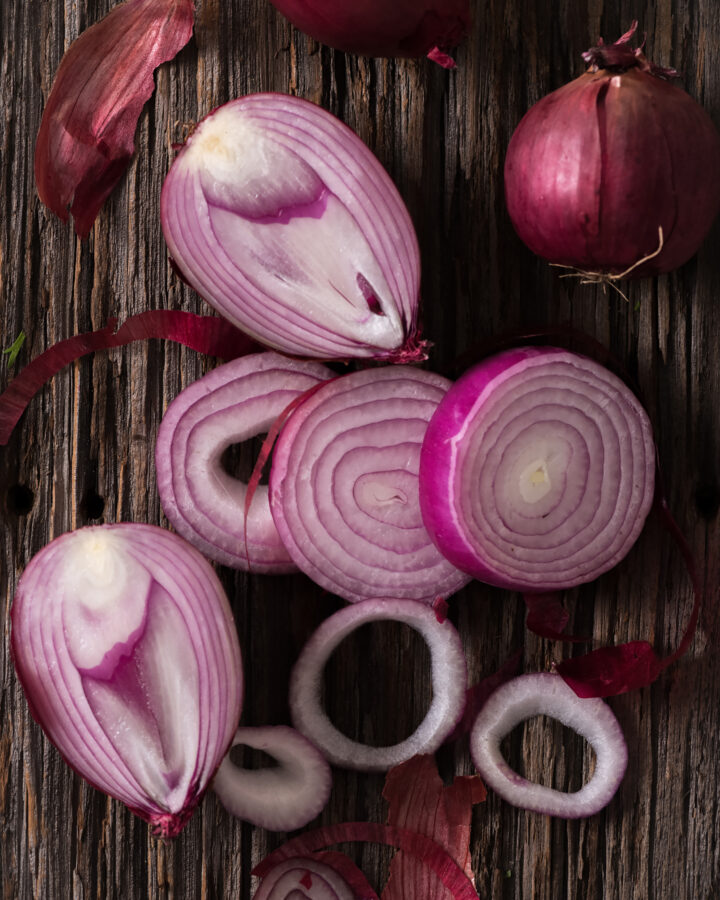
When people think of longevity foods, they tend to think of the ingredients positioned front and center on the plate: things like salmon, lentils, leafy greens. But one of the most powerful food groups for healthy aging plays a supporting role in most recipes. Allium vegetables — think garlic, onions, shallots, leeks, scallions and chives — are packed with compounds that support [hahrt helth]nounThe overall condition and function of the cardiovascular system, including blood pressure, cholesterol, and arterial health; critical for longevity and disease prevention.Learn More: Heart Health, nourish the gut [mahy-kroh-bahy-ohm]nounThe community of microorganisms (bacteria, viruses, fungi) living in a particular environment, especially the gut.Learn More: Microbiome, and help protect cells from oxidative stress, all factors that play a part in living a longer, healthier life. And, these everyday kitchen staples deserve a starring role, not just a supporting one.
Each type has its own unique contribution. Garlic, for instance, contains allicin, a sulfur compound formed when a clove is crushed or chopped, linked in research to lower blood pressure and reduced LDL cholesterol. Onions and leeks are rich in prebiotic fibers that feed beneficial gut bacteria, while their flavonoid quercetin has been studied for its [an-tee-in-flam-uh-tawr-ee]adjectiveReducing inflammation, which contributes to better overall health.Learn More: Anti-Inflammatory effects. Chives bring a milder dose of the same sulfur compounds, making them an easy daily add-in rather than an occasional one.
Whatever you’re cooking up next, adding allium veggies is a simple way to boost the benefits. Here’s how they affect your heart, gut, cancer risk, and more — plus a simple tip for upping their impact.
Allium Vegetables Support Heart Health
Allium vegetables are rich in vitamin C, folate and potassium. They also contain a unique combination of sulfur-containing compounds, antioxidants, and prebiotic fiber, all of which make allium vegetables beneficial for heart health.
Onions happen to be one of the best dietary sources of quercetin, a powerful flavonoid that helps protect blood vessels from oxidative stress and supports healthy circulation. Meanwhile, research suggests garlic may help support healthy blood pressure and cholesterol, particularly in people with elevated levels. Together, these compounds also help reduce [in-fluh-mey-shuhn]nounYour body’s response to an illness, injury or something that doesn’t belong in your body (like germs or toxic chemicals).Learn More: Inflammation, support blood vessel function, and promote overall cardiovascular health.
While no food is a magic bullet or quick fix, regularly including garlic, onions, leeks, shallots, and other allium vegetables in your diet is an easy way to support heart health over time. Since these foods are major flavor enhancers in many common dishes, they’re working double time to provide flavor and health benefits at once.
Alliums Help Support Gut Health
When you mince garlic for a salad dressing or chop onions for soup, they’re not only adding a ton of flavor. They’re also quietly feeding the trillions of beneficial bacteria that live in your gut. Allium vegetables are rich in prebiotic fibers called inulin and fructooligosaccharides (FOS). Unlike [proh-by-ot-iks]nounLive bacteria that promote gut and immune health.Learn More: Probiotics, which introduce live bacteria into the gut, prebiotics act as food for the beneficial bacteria already living there.
As these microbes ferment the fibers, they produce compounds called short-chain fatty acids, like butyrate, which help nourish the cells lining the colon, support a healthy gut barrier, and play an important role in immune function. And gut health doesn’t just stop in the gut. A healthy gut microbiome is linked to less inflammation and better metabolic health — all the more reason to add onions, garlic and shallots to everyday meals.
Alliums’ Potential Role In Cancer and Longevity
One of the reasons allium vegetables have been studied so extensively is their potential role in cancer prevention.
Their sulfur-containing compounds, including allicin and related phytochemicals, have been shown to help protect cells from oxidative stress, support the body’s natural detoxification, and influence normal cell growth in laboratory and observational research. Observational studies have specifically found that people who eat more allium vegetables tend to have a lower risk of certain gastrointestinal cancers, particularly stomach cancer. While no single food can prevent cancer, consistently eating a variety of vegetables — including garlic, onions, leeks, and shallots — is one of the many dietary habits associated with long-term health.
And when it comes to longevity, a large prospective study of more than 27,000 adults aged 80 and older found that those who ate garlic more frequently had a lower risk of death during the 16-year follow-up period compared to those who rarely ate it. While the study doesn’t prove that garlic increases lifespan, it adds to a growing body of research suggesting that regularly including garlic as part of a healthy diet may support healthy aging.
Easy Ways to Eat More Alliums:
- Add red onions to greek salads
- Sauté onions into bowls and stir frys
- Add garlic and shallots to vinaigrettes
- Top tacos with scallions
- Stir chives into eggs
- Make a potato leek soup
Getting the Most from Garlic
When you chop, crush, or mince garlic, its cell walls break open, allowing the enzyme alliinase to convert alliin into allicin, the compound responsible for garlic’s smell and many of its studied health benefits.
Allicin has been linked to antioxidant, antimicrobial, and anti-inflammatory benefits and is thought to contribute to garlic’s impact on heart health.
Research suggests that letting chopped garlic sit for about 10 minutes before cooking allows more allicin to develop. Once allicin has formed, it’s more likely to survive if the garlic is then heated up.
The upshot: you don’t need a supplement to get these benefits. A few simple habits — mincing raw garlic and letting it sit for ten minutes before cooking (which preserves more allicin), tossing chopped onion into scrambled eggs, or finishing a soup with fresh chives — can turn a background ingredient into a genuine longevity tool.
Read This Next:
The information provided in this article is for educational and informational purposes only and is not intended as health, medical, or financial advice. Do not use this information to diagnose or treat any health condition. Always consult a qualified healthcare provider regarding any questions you may have about a medical condition or health objectives. Read our disclaimers.
Written By:
