

This One Change to Your Exercise Routine Could Add Years to Your Life
Nuria Seguí - Stocksy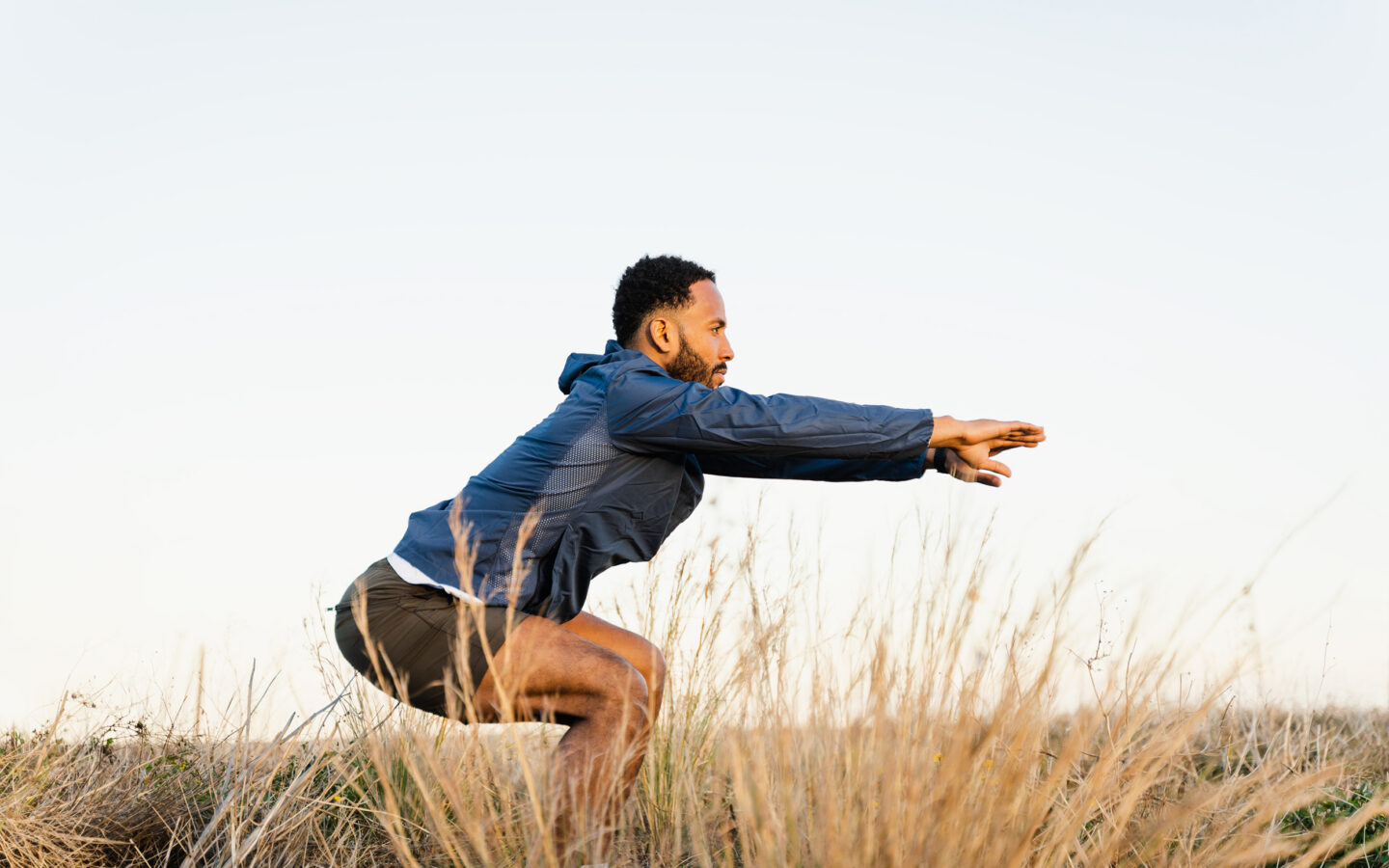
The most future-proof fitness routine isn’t a single trend. It’s variety.
There’s a new “best” workout every few months and chances are, someone in your social feed will swear it’s the only one that matters. The trouble is that the body doesn’t age along a single axis. Strength, cardiovascular fitness, balance, moh-bil-i-tee]nounThe ability to move freely and easily through a full range of motion.Learn More, and power each decline on their own timeline, and each responds to a different kind of training.
That’s why the research on healthy aging keeps pointing not to one perfect workout but away from the whole idea of one. The people who stay strong, mobile, and independent the longest tend to be the ones who do a little of everything: lifting, moving, stretching, and challenging their balance, rather than devoting themselves to a single discipline.
A new study published in BMJ Medicine supports the notion that people who want to live longer should mix up their workout plans. People in the study with the most varied exercise routines had a 19% lower risk of premature death than those who simply stuck to the same exercises week after week.
“One type of exercise isn’t going to give you a shield against everything,” Benjamin Gordon, PhD, an instructional assistant professor of applied physiology and kinesiology at the University of Florida, tells Super Age. To truly support [lon-jev-i-tee]nounLiving a long life; influenced by genetics, environment, and lifestyle.Learn More, you need to blend aerobic, resistance, and [bal-uhns trey-ning]nounExercises that improve coordination, reduce fall risk, and enhance mobility.Learn More activities, he added.
The findings don’t mean you’ll have to jump from one thing to the next every single day. Creating a balanced exercise program will give you the most benefits without increasing your risk for injury or [burn-out]nounPhysical or emotional exhaustion from chronic stress.Learn More.
Add New Workouts (and Years) to Your Life
We all know the importance of exercise. It gets our blood pumping, which helps lower blood pressure and heart rate, and it burns calories, which helps with weight loss and weight maintenance. Physical activity also boosts the immune system, supports bone health, and lowers the risk of certain cancers, including breast, bladder, lung, and kidney cancers.
For the new study, the research team was curious to learn if engaging in a variety of activities offered long-term health benefits beyond your total workout time.
The team reviewed 30 years’ worth of data from 111,467 people who participated in The Nurses’ Health Study and The Health Professionals Follow-Up Study. Those people reported how often they ran, walked, jogged, rowed, swam, played tennis, performed callisthenics, and engaged in resistance training, yoga, and outdoor yard work.
Ultimately, they found that performing different exercises really is better for your health and longevity, unrelated to the total amount of time you spend working out.
“Different types of physical activity may have distinct physiological effects. For example, aerobic exercises may be more beneficial for cardiorespiratory fitness, whereas resistance training is better for maintaining [muh-suhl mas]nounThe total weight of muscle in your body, critical for longevity.Learn More,” Han Han, PhD, co-first author of the study and a postdoctoral research fellow in the department of nutrition at Harvard T.H. Chan School of Public Health, told Super Age in an email.
Variety Is the Spice of Longevity
Think about it: You don’t eat the same foods every single day, because that would leave obvious gaps in your nutrition. We’ve been told to “eat the rainbow” because our bodies need different substances from different sources: carbs, fats, proteins, vitamins, minerals, and water.
“Your body is not going to thrive off of eating one [soo-per-food]nounA nutrient-rich food that offers health benefits.Learn More all the time. Yes, the superfood is great, but your body does better with a varied diet rather than going with one thing over and over and over again,” Gordon said.
The same goes for exercise. We need to expose ourselves to different exercises because by stressing our bodies, we learn to adapt. He adds it’s important to stress them just enough, stopping short of the point of no longer being responsive to the exercise.
And while some of us may prefer our familiar workout routines, many people find exercise variety more fun. Going to different workout classes or rec sports leagues means you’ll meet different people (social ties add their own additional longevity boost) and can help prevent burnout by keeping things fresh.
“Having multiple options may help people maintain an active lifestyle. By trying different activities, people can choose those that are both enjoyable and feasible for them, which may make it easier to stay active in the long term,” Han said.
Start Slowly: 3 Foundational Movement Types
The new study didn’t say exactly how many different activities you should do to live longer. The CDC recommends at least 150 minutes of cardio and two [strength tray-ning]nounResistance-based exercise to build muscle and support healthy aging.Learn More sessions per week, plus daily balance training.
Using those three types as your weekly foundation, you can experiment and find the varied workout routine that works best for you. Here’s how to start:
Cardio: We know that having better cardiovascular fitness can add years to your life. Rather than just going out for another run, use [vee-oh-too maks]nounA measurement of how much oxygen your body can use during exercise.Learn More training to get the most out of cardio days. To start, try the Norwegian 4×4 protocol once a week so you don’t end up harming your immune system.
Strength: Many of us think we have to go all-out in the gym to maximize our strength days. But science now tells us it’s better to lift to “near-failure.” And you don’t even have to use barbells — resistance bands and bodyweight exercises can do the trick.
Balance: This is the crucial part that most of us ignore. We need to build our balance to help prevent falls. It’s kind of like putting money in your retirement account — invest now, and the results will compound over time. You know that tip about standing on one leg while every time you brush your teeth? Take this as a sign to actually start doing that.
Read This Next:
The information provided in this article is for educational and informational purposes only and is not intended as health, medical, or financial advice. Do not use this information to diagnose or treat any health condition. Always consult a qualified healthcare provider regarding any questions you may have about a medical condition or health objectives. Read our disclaimers.
Written By:
