

These “Clean 15” Fruits and Vegetables Have the Lowest Levels of Contamination
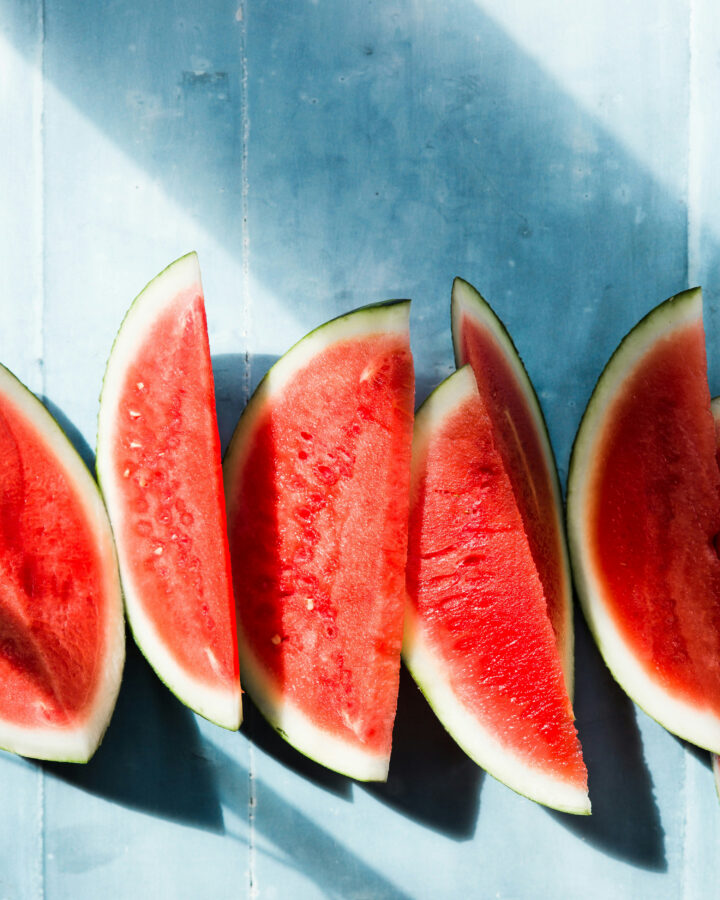
These 15 fruits and veggies have the least pesticide residue. A simple trick will make them even cleaner.
Pineapples, kiwis, and asparagus all have something special in common. These delicious, antioxidant-rich produce have earned a place on EWG’s 2026 Clean 15 list, meaning they are some of the least pesticide-contaminated fruits and vegetables you’ll find at your local store or farmer’s market.
Every year, the Environmental Working Group (EWG), a nonprofit consumer advocacy organization, analyzes USDA data to create its annual Shopper’s Guide to Pesticides in Produce. If you haven’t perused the Shopper’s Guide before, here’s the gist: the least contaminated earn a spot on the Clean 15, while the most contaminated are relegated to the Dirty Dozen.
The obvious next question: Should you only eat produce on the Clean 15 list and swear off everything on the Dirty Dozen? Goodbye, spinach. Goodbye, strawberries?
No, and let’s say this loud and clear: Please don’t use these lists to cut produce out of your diet.
The Shopper’s Guide is “a tool, not a rule,” Varun Subramaniam, MS, a science analyst at the Environmental Working Group, tells Super Age. “Use it where it is feasible for you. The bottom line of all of this is that it’s really important to keep eating fruits and vegetables. We know from research that the benefits of a produce-rich diet outweigh the costs of pesticide exposure.”
You Need a Thick Skin to Make the Clean 15 List
The fruits and vegetables with the lowest pesticide residue levels tend to have naturally thick skin. Take a look at the Clean 15 list. You’re probably going to peel most of these before taking a bite.
- Pineapple
- Sweet Corn (fresh and frozen)
- Avocado
- Papaya
- Onion
- Sweet Peas (frozen)
- Asparagus
- Cabbage
- Cauliflower
- Watermelon
- Mangoes
- Bananas
- Carrots
- Mushrooms
- Kiwi
Generally, we see less pesticide usage on fruits and vegetables with thick peels since people likely won’t eat that outer layer anyway, says Subramaniam. Similarly, you’ll find fewer PFAS — per- and polyfluoroalkyl substances, also known as forever chemicals — in these selections.
“This year, we found that the most PFAS pesticides were used on strawberries, and these are consistently in our Dirty Dozen. That’s because we eat the skin. We don’t peel them before eating them, so they are much more vulnerable to mold, air pollution, and things like that,” he adds.
We still have a lot to learn about PFAS, but there’s no question about their ubiquity: almost all of us have PFAS in our blood right now. Researchers have established that these break down slowly and have suggested multiple ways these may harm our health.
A Quick Rinse Can Help
You’re not always going to eat peelable fruits and vegetables, but you can try to get rid of pesticide residue on your strawberries and leafy greens. Here’s a secret: you already have what you need in your kitchen.
Washing produce can make a big difference. Rinsing strawberries for 15 to 20 seconds lowers traces of tolylfluanid, a pesticide “likely” to cause cancer in humans, by an average of 37%, according to a recent EWG study.
“A lot of times we want to use dish soap or something like that, but then you’re adding more chemicals to it, so just running water is important,” Dolores Woods, RDN, LD, a nutritionist supervisor and a registered dietitian at UTHealth Houston, tells Super Age.
You can try a baking soda or vinegar bath if you want to get your produce even cleaner. Beyond pesticides, these cleaning strategies can help with bacteria and germs that can cause foodborne illnesses. A 2024 study published in the journal Microorganisms found that a vinegar bath helps kill E.coli on raw salad lettuce.
To do this, dissolve ½ cup of distilled white vinegar into 1 cup of water. Soak for a few minutes, rinse the greens with clean water, and then bust out that salad spinner that you forgot you stashed in the back of a kitchen cabinet.
Don’t Stress About Only Eating Organic
Farmers use pesticides to keep their crops free from bugs, mold, and bacteria. Most of the time, the companies harvesting the crops don’t wash the produce, so it’s normal for some pesticide residue to remain, Woods says.
It is not necessarily unsafe to have pesticide residue traces on produce, according to the U.S. Environmental Protection Agency (EPA). “USDA’s Pesticide Data Program (PDP) detects residues at levels far lower than those that are considered health risks,” the agency writes.
But we hear you — why take the risk? Shouldn’t you just buy organic? It’s true that organic produce is not treated with PFAS pesticides, according to the EWG. But they can also create a false sense of security: we don’t have definitive evidence that organic produce is automatically healthier than conventional (non-organic) varieties, and you won’t fully avoid pesticides by going this route. Many organic farmers use organic pesticides on their crops.
Deciding whether or not to buy organic is a personal question, and for many Americans, it’s a financial one. One possible compromise: Maybe you save some money and buy conventional produce from the Clean 15 list, since those have lower pesticide levels anyway, and opt for organic from the Dirty Dozen list.
“Buy organic when it fits your budget or if that’s your priority, but avoid letting these pesticide concerns discourage healthy eating, especially eating those fruits and vegetables,” Woods says.
Here’s How the Clean 15 Boosts Health
Fruits and vegetables, including those on the Clean 15 list, have important nutrients that can help you live a long, healthy life.
A 2024 study found that middle-aged adults who upped their vegetable intake were less frail in old age. Another recent study found that people who switched from an unhealthy diet to a more balanced, nutritious diet featuring fruit may add 10 years to their lives. Two key nutrients stand out on the Clean 15 list:
- Fiber: Fiber plays a key role in weight management, helps improve [in-suh-lin sen-si-tiv-i-tee]nounHow effectively your body uses insulin, which regulates blood sugar levelsLearn More: Insulin Sensitivity, and lowers blood pressure and cholesterol levels. Eating a fiber-rich diet supports longevity, but most of us don’t get enough in our diets. One avocado has 14 grams of fiber, making it one of the best sources of fiber on the Clean 15 list.
- Vitamin C: Vitamin C is an important antioxidant that helps lower the risk of [hahrt dih-zeez]nounConditions affecting heart health and circulation.Learn More: Heart Disease and certain cancers. Many Clean 15 produce are packed with vitamin C. One medium kiwi has 64 mg, and ½ cup of cooked cabbage has 28 mg.
“Eating more fruits and vegetables of any kind, whether organic or conventional, is one of the strongest evidence-based dietary recommendations for long-term health and prevention of things like cardiovascular disease, certain cancers, and type two diabetes,” notes Woods.
Pesticide residue sounds scary, and you’re right to want to minimize your risk — especially when PFAS are present. But by buying strategically and washing carefully, you can cut down your exposure and continue enjoying the produce your diet so desperately needs.
Read This Next:
The information provided in this article is for educational and informational purposes only and is not intended as health, medical, or financial advice. Do not use this information to diagnose or treat any health condition. Always consult a qualified healthcare provider regarding any questions you may have about a medical condition or health objectives. Read our disclaimers.
Written By:
