

Curiosity Expands the Now: Here’s How to Train Yours
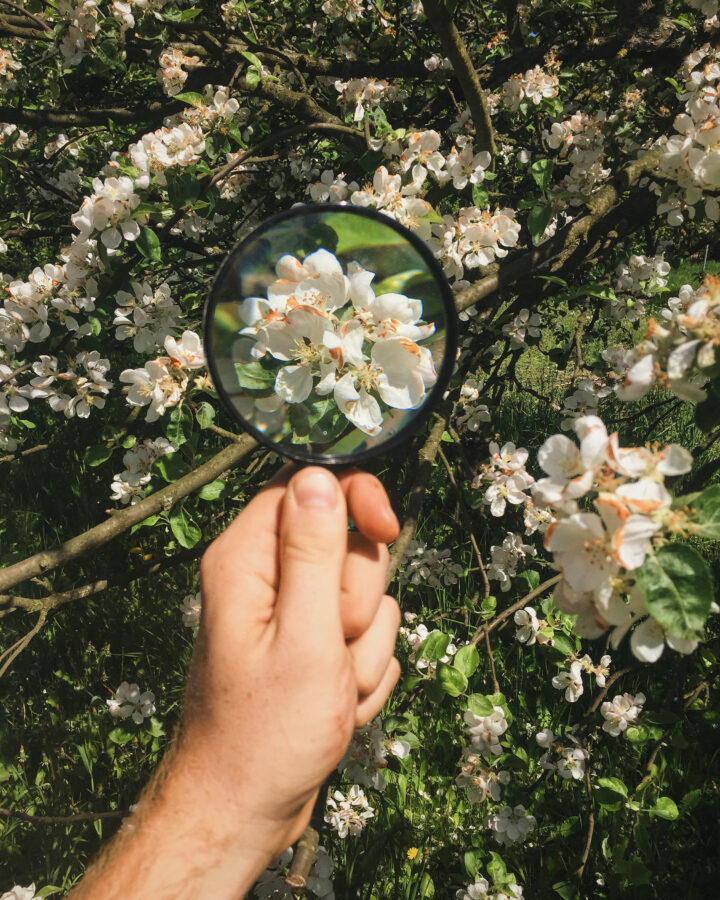
Curiosity is trainable. Discover how it can expand your experiences, strengthen your memory, and make life more vivid.
Curiosity is one of the simplest ways to expand the present moment, turning ordinary encounters into richer experiences and lasting memories. New research shows that while our broad drive to seek novelty may shift with age, our moment-to-moment spark of curiosity, the kind that pulls us into a question, an idea, or a conversation, actually sharpens.
Instead of scattering attention everywhere, our brains become more selective, investing energy in what feels meaningful and worth remembering. This is an upgrade. And it may hold the key to keeping memory sharp, relationships vibrant, and life itself more vivid.
How Curiosity Changes with Time
In a new study published in PLOS ONE by researchers from UCLA, researchers tested over 1,200 adults between ages 20 and 84, asking them to rate their curiosity about a series of trivia questions. They also filled out surveys measuring their baseline level of curiosity. Here’s what stood out: We’re less likely to chase novelty for novelty’s sake as we age, and more likely to engage deeply with information that feels relevant or meaningful. In other words, your curiosity doesn’t fade; it sharpens.
Four Reasons Curiosity Matters for [kog-ni-tiv helth]nounThe ability to think, learn, and remember clearly as you age, supported by brain structure, function, and lifestyle factors like sleep, diet, and exercise.Learn More
This research flips a common myth about aging on its head: that curiosity wanes and the desire to learn fades with time. Not true. The type of curiosity may shift, but the drive to learn, especially when the material connects with our purpose and lived experience, deepens.
Curiosity also has major cognitive benefits:
- Better Memory Performance: Curiosity enhances memory. When we’re curious before learning something new, we retain more of the information. This applies to both younger and older adults, according to research published in Psychology and Aging.
- Longer Lifespan: A five-year follow-up study found that older adults with higher curiosity scores were significantly more likely to survive than those with lower scores. The study, published in Psychology and Aging, suggests that curiosity may act as a psychological buffer that supports health and [lon-jev-i-tee]nounLiving a long life; influenced by genetics, environment, and lifestyle.Learn More.
- Emotional [ri-zil-yuhns]nounThe ability to recover quickly from stress or setbacks.Learn More and Cognitive Flexibility: Curiosity has been linked to greater adaptability during life transitions and a more flexible mindset. This includes increased comfort with uncertainty and the ability to navigate change, hallmarks of cognitive resilience in later life.
- Stronger Social Bonds and Playfulness Curious people tend to be more open, expressive, and engaged in social situations. Studies show that trait and state curiosity are linked to: Greater interpersonal closeness during new interaction, more humor, emotional expressiveness, and non-defensive communication styles, and a greater tendency to initiate playful or unconventional conversation.
How Curiosity Expands the “Now”
Most of the time, our brains run on prediction. We see what we expect and glide through life on autopilot. Curiosity interrupts that loop. When we lean into curiosity, we widen the frame of the present moment—taking in more nuance, more texture, more possibility.
This shift has a profound effect on memory. Neuroscience shows that curiosity sparks dopamine pathways, making new information more likely to be encoded and recalled. Translation: curiosity doesn’t just entertain, it makes life more memorable.
And unlike risk, which requires bigger and bigger jolts to break through our brain’s filters, curiosity and awe are renewable. They expand the now without depletion. By training curiosity, you’re not just sharpening your mind, you’re bending time, making life not only longer but wider and more interesting.
Curiosity, especially the state-based kind, is an adaptive tool for aging well. And we can train it.
A Framework for Training Curiosity
STEP 1: Notice Your Curiosity
Everyone is curious. But it shows up in different ways.
Ask yourself:
- What kinds of things naturally make me want to learn more? (Topics, people, feelings, puzzles)
- When was the last time I felt energized by not knowing something?
- Do I feel more curious when I’m relaxed or when I’m challenged?
Why this matters: Research shows curiosity lives in both spontaneous wonder and deliberate exploration. Recognizing your default style is the first step in making it a skill.
Try this micro-practice: Each day, notice one moment where you felt even a flicker of interest and write it down. That’s your curiosity in action.
STEP 2: Name What Blocks Curiosity
We lose curiosity when discomfort outweighs openness.
Common hindrances:
- Unmet expectations: “This isn’t how I thought it would go.”
- Uncertainty or complexity: “This is confusing or uncomfortable.”
- Ego protection: “If I admit I don’t know, I might look foolish.”
What the research says: Curiosity drops when we feel we should know something already, or when our assumptions are challenged and we’re not emotionally resourced to explore.
Try this reframing prompt: “What if this discomfort is a doorway instead of a dead end?”
STEP 3: Practice Encouraging It
Curiosity grows with attention and choice.
These three practices can strengthen your curiosity muscle:
- Pause: When something frustrates or surprises you, take a breath and label the feeling. This interrupts reactivity and opens space for exploration.
- Flip the Question: Shift from “Why is this happening?” to “What else could be going on here?” This sparks flexible thinking and reduces judgment.
- Name the Gap: Notice when there’s something you don’t know, and say: “I wonder…” This builds tolerance for ambiguity and primes learning circuits.
Curiosity is not a trait you have or don’t have. It’s a direction you choose to face. This framework gives you a way to turn toward curiosity in daily moments, in hard conversations, and in the questions that matter most.
And when we follow a spark of curiosity, asking the next question, going a layer deeper, we’re doing more than satisfying a momentary urge. We’re reinforcing memory pathways. We’re strengthening the mental muscles that matter most.
Read This Next
The information provided in this article is for educational and informational purposes only and is not intended as health, medical, or financial advice. Do not use this information to diagnose or treat any health condition. Always consult a qualified healthcare provider regarding any questions you may have about a medical condition or health objectives. Read our disclaimers.
Written By:
