

Brassicas Support Heart and Gut Health (Bitter Brussels Sprouts for the Win)
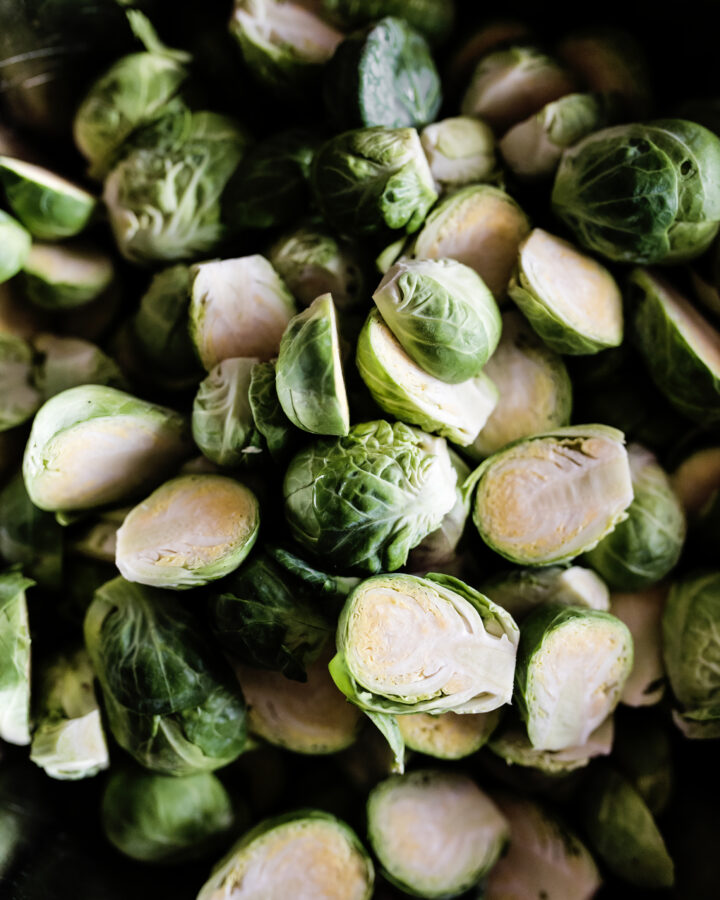
Eating your Brussels sprouts is linked to better heart and gut health — and could help fight cancer, too. Disliking their taste is also a [lon-jev-i-tee]nounLiving a long life; influenced by genetics, environment, and lifestyle.Learn More: Longevity signal.
If you hate Brussels sprouts, there could be an evolutionarily good reason: our palettes are highly sensitive to bitter tastes since they often signal the presence of toxins in food.
But there’s another surprising connection between bitter taste perception and longevity, according to a 2019 study. Your ability to taste bitterness comes partly from a gene called TAS2R38, which exists in two forms. One form works well, so people who have it taste bitter flavors strongly. The other form barely works, so people who have it hardly notice bitter tastes at all. Because you get one copy of the gene from each parent, you might have two strong copies, two weak copies, or one of each. In practice, that might determine whether Brussels sprouts ruin the plate or make for a perfect side dish to put on repeat.
The researchers looked at the genes of people who lived to be 100 or close to it. Then they compared them to younger people. Those who lived the longest were more likely to have two strong copies of the gene, and less likely to have two weak copies. The fully working version — associated with strong bitter taste perception — seemed to line up with a higher likelihood of living a very long life.
The surprising part: this probably has little to do with taste itself. These bitter receptors aren’t only on your tongue. They also show up in other parts of your body, like your gut and your respiratory immune system. In those places, they do other jobs, like promoting homeostasis and helping your body fight off germs. That internal protection, not the taste-perception, is what may help people live longer.
One thing to keep in mind: the study only shows that the strong gene and long life tend to show up together. It doesn’t establish causation by proving that the gene is the reason people lived longer. Other genes and healthy habits could be involved too. Ultimately, it’s an interesting clue, not a final answer.
Wherever you fall on the Brussels Sprout spectrum, one thing is undeniable: these tiny cabbages are small but mighty when it comes to nutrition. Brussels sprouts support gut health, bone health, and [hahrt helth]nounThe overall condition and function of the cardiovascular system, including blood pressure, cholesterol, and arterial health; critical for longevity and disease prevention.Learn More: Heart Health, and even contain potential cancer protective compounds. All the more reason to add them to your weekly or monthly vegetable rotation.
The Health Benefits of Brussels Sprouts
Brussels sprouts may not be the flashiest vegetable, but they pack an impressive nutritional punch. These little cruciferous veggies are loaded with fiber, vitamin C, vitamin K, and folate, along with important nutrients like potassium and manganese.
Folate plays an important role in cell growth and DNA production and synthesis, while the fiber in Brussels sprouts helps support digestion and gut health.
Vitamin C acts as an antioxidant that supports immune health and collagen production, and vitamin K helps support bone and heart health.
Brussels sprouts are also known for their unique sulfur-containing plant compounds, including glucosinolates and sulforaphane, which continue to be studied for their potential protective health benefits.
Converting Gut Microbes Into Beneficial Substances (Like Sulforaphane)
Brussels sprouts can also help support a healthy gut. They’re rich in fiber with about 4 grams per cup, which acts as fuel for beneficial gut bacteria and helps keep digestion regular.
The glucosinolates found in Brussels sprouts also help convert gut microbes into beneficial substances like sulforaphane. Sulforaphane is a powerful compound that reduces intestinal [in-fluh-mey-shuhn]nounYour body’s response to an illness, injury or something that doesn’t belong in your body (like germs or toxic chemicals).Learn More: Inflammation, protects the gut barrier, and balances the gut [mahy-kroh-bahy-ohm]nounThe community of microorganisms (bacteria, viruses, fungi) living in a particular environment, especially the gut.Learn More: Microbiome. It’s most effective when Brussel sprouts are consumed raw, or lightly steamed.
Cruciferous vegetables like Brussels sprouts may also help increase the diversity of beneficial bacteria in the microbiome, which is often linked to better digestive and overall health.
One thing that’s important to note for those with sensitive stomachs is that Brussels sprouts are high in fermentable fibers and raffinose which can cause bloating or gas, especially for those with IBS or other gut issues. Consuming them cooked instead of raw can help lessen these effects, as can starting with smaller amounts.
[an-tee-in-flam-uh-tawr-ee]adjectiveReducing inflammation, which contributes to better overall health.Learn More: Anti-Inflammatory Brussels Sprouts Protect Blood Vessels From Oxidative Stress
Brussels sprouts are especially beneficial for heart health thanks to their combination of fiber, antioxidants, and key nutrients like potassium and vitamin K. Their fiber content helps to support healthy cholesterol levels, while potassium plays an important role in maintaining healthy blood pressure by helping balance sodium levels in the body.
A 2016 meta-analysis found that higher intake of green leafy and cruciferous vegetables (including Brussels sprouts) was associated with a 15.8% lower incidence of cardiovascular disease. Brussels sprouts are also rich in antioxidants and anti-inflammatory plant compounds (glucosinolates and vitamin C qualify) which help protect blood vessels from oxidative stress over time.
As part of an overall balanced diet, regularly eating Brussels sprouts may help support long-term cardiovascular health and reduce risk factors associated with [hahrt dih-zeez]nounConditions affecting heart health and circulation.Learn More: Heart Disease.
Cruciferous Veggies Protect Cells from DNA Damage
Finally, those glucosinolates found in Brussels sprouts may have another major benefit: they’ve been widely studied for their potential role in cancer protection. When Brussels sprouts are chopped, chewed, or digested, these compounds are converted into the biologically active substance, sulforaphane. Research suggests that sulforaphane may help support the body’s natural detoxification systems, protect cells from DNA damage, reduce inflammation, and promote the removal of damaged cells before they can develop into cancer, including of the breast and colon. According to The National Cancer Institute, all cruciferous vegetables — think broccoli, cabbage, dark leafy greens, and wasabi — offer these benefits.
While no vegetable is a magic pill for disease prevention, we know that diets high in plant-based foods can support long-term health and longevity. Brussels sprouts, alongside other veggies rich in fiber and phytonutrients, are all part of a protective diet.
Read This Next:
The information provided in this article is for educational and informational purposes only and is not intended as health, medical, or financial advice. Do not use this information to diagnose or treat any health condition. Always consult a qualified healthcare provider regarding any questions you may have about a medical condition or health objectives. Read our disclaimers.
Written By:
