

There Are Two Kinds of Gratitude. Only One Shows Up In Your Biology
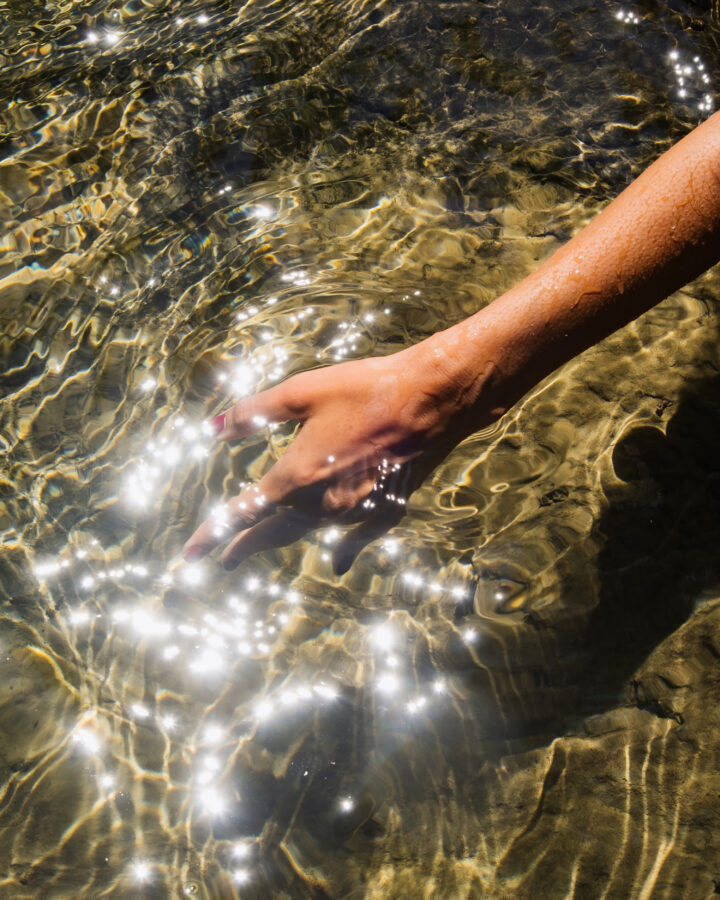
A landmark Harvard study of nearly 50,000 found that one kind of gratitude shapes how long we live.
There are two kinds of gratitude, and we tend to conflate them.
The first is the one we were handed as children. Say thank you. Write the note. Be grateful you have it better than some kid somewhere who doesn’t. It is gratitude as obligation, as comparison, as proof of good character. Most of us learned it this way, and most of us carry a little resistance to it as adults. When someone tells us to “practice gratitude,” this is the version we hear, and it is fair to roll our eyes at it.
The second kind is not something you do. It is something you notice. It shows up in our body before it registers in language. A soft settling when you see your kid laughing with a friend. A feeling of warmth when your body meets a challenge you thought you couldn’t do. A moment of grace when you feel that you are held by something larger than your words can articulate. This kind of gratitude doesn’t require you to act in a certain way. It doesn’t require comparison for what you have and others don’t. It is an act of attention, of noticing, and the research suggests it is the kind the body can actually hear.
In 2024, researchers from Harvard T.H. Chan School of Public Health, Brigham and Women’s Hospital, and Massachusetts General Hospital published the first study linking gratitude directly to longevity. Tracking 49,275 older women over four years, they found that those with the highest levels of gratitude had measurably better odds of living longer than those with the lowest, even after adjusting for physical health, lifestyle, social connection, religious involvement, cognitive function, and mental health. The strongest effect showed up in cardiovascular deaths.
Published in JAMA Psychiatry, the findings moved gratitude from the realm of emotional well-being into the same conversation as [grip strength]nounA key marker of strength and predictor of longevity.Learn More: Grip Strength, [vee-oh-too maks]nounA measurement of how much oxygen your body can use during exercise.Learn More: VO2 Max, and sleep quality. A trainable signal that shapes how long and how well we live. Which raises the question worth asking. What is the body responding to, and how does it work?
What Is Gratitude?
Researchers have been trying to pin this down for decades. Clinically, gratitude is the appreciation of what is valuable and meaningful in your life. But the leading gratitude researcher, Robert Emmons, describes it as having two parts: first, recognizing the goodness in your life, and second, acknowledging that much of that goodness comes from sources outside yourself.
That second part is where the two kinds of gratitude separate. The obligated kind stops at “I should say thank you.” The embodied kind continues: I am noticing that I am held. One is a behavior. The other is a felt recognition that the world, other people, your own body, have been supporting you all along. You don’t have to manufacture it. You only have to slow down enough to notice it is already there.
That is also why gratitude is trainable, but not the way we were taught. You don’t train it by forcing yourself to feel grateful. You train it by building the capacity to notice.
How Gratitude Impacts Your Health
So what is the second kind of gratitude actually doing in the body to produce an effect large enough to show up in a mortality study?
The mechanisms turn out to be measurable, and they cluster around the systems that most shape cardiovascular health and [helth-span]nounThe number of years you live in good health, free from chronic illness or disability.Learn More: Healthspan. A 2023 systematic review and meta-analysis of 64 randomized controlled trials found that gratitude interventions consistently produced better mental health, fewer anxiety and depression symptoms, and more positive mood compared to controls. Alongside that psychological signal, a growing body of research shows gratitude also produces physical shifts that support cardiovascular health and [ri-zil-yuhns]nounThe ability to recover quickly from stress or setbacks.Learn More: Resilience, including:
- Nervous System Balance: Feeling gratitude activates the [par-uh-sim-puh-thet-ik nur-vuhs sis-tem]nounThe part of your nervous system that supports relaxation and digestion.Learn More: Parasympathetic Nervous System, often called the “[rest and dye-jest]nounThe body’s natural relaxation and recovery mode.Learn More: Rest and Digest” branch, which calms the body and promotes recovery. Neuroimaging show that people practicing gratitude have reduced amygdala reactivity (the brain’s fear and threat center), indicating a downshift in “fight-or-flight” activation and a calmer cardiovascular state. By facilitating this “calm,” gratitude can protect you from chronic stress-related damage over time.
- Decreased Chronic [in-fluh-mey-shuhn]nounYour body’s response to an illness, injury or something that doesn’t belong in your body (like germs or toxic chemicals).Learn More: Inflammation: Gratitude has been consistently associated with reductions in key inflammatory biomarkers, including C-reactive protein (CRP), interleukin-6 (IL-6), and tumor necrosis factor-alpha (TNF-α). Additionally, longitudinal research with over 1,000 adults demonstrated that increases in gratitude correlated with decreases in IL-6 levels, suggesting gratitude’s role in mitigating systemic inflammation.
- Improved Blood Pressure: Gratitude practices appear to modestly lower blood pressure, particularly diastolic pressure. In one small study, two weeks of gratitude journaling practice significantly reduced diastolic blood pressure relative to no intervention.
- Improved Cardiovascular Health: In patients recovering from acute coronary events, higher dispositional gratitude correlates with improved endothelial function. A study in patients with heart failure showed that gratitude journaling for 8 weeks can also positively affect Heart Rate Variability, a key player in cardiovascular health. Gratitude’s physiological effects (less inflammation and stress, healthier blood pressure and nervous system activity) could slow processes like atherosclerosis and lower the risk of adverse cardiac events.
- Lowered Stress Hormone Levels ([kawr-tuh-sawl]nounA hormone that helps manage stress, energy, and alertness.Learn More: Cortisol and Sympathetic Activity): Chronic psychological stress elevates hormones such as cortisol and adrenaline. Gratitude practice has been shown to blunt these harmful stress responses. In a randomized trial, people who engaged in gratitude journaling four times weekly for three weeks exhibited significantly lower salivary cortisol levels compared to controls, alongside reduced self-reported stress and anxiety.
- Strengthened Relationships and Emotional Resilience: Gratitude strengthens connection in ways that directly support long-term well-being. In one study, moments of gratitude during ordinary interactions predicted higher relationship satisfaction and a stronger sense of closeness. Gratitude acts like a “booster shot” for relationships, enhancing warmth, reciprocity, and emotional safety. Because strong, supportive relationships are one of the most powerful predictors of longevity, gratitude’s ability to deepen connection becomes a meaningful contributor to overall health.
- Better Sleep Through Calmer Pre-Sleep Thoughts: Gratitude also improves sleep quality in a measurable way. In one study, people with higher gratitude slept longer, fell asleep faster, and woke with less daytime fatigue, even after accounting for personality traits like neuroticism. The mechanism is simple but powerful: gratitude helps you have more positive pre-sleep thoughts and fewer racing or intrusive ones. By shifting the mind’s focus before bed, gratitude helps quiet the nervous system and supports deeper, more restorative sleep.
Research also links gratitude to higher overall well-being and a stronger sense of purpose and personal growth, outcomes that ripple into nearly every aspect of longevity. In other words, gratitude works on the mind, body, and emotional landscape in ways that compound over a lifetime.
If gratitude is something the body registers when we slow down enough to feel it, what are we doing when we “practice” gratitude?
The honest answer: we are practicing the conditions that let the felt sense kind of gratitude arrive. The research-backed gratitude practices below are not exercises in producing gratitude on command. They are exercises in awareness, in naming, in pausing long enough for what is already true to land. Journaling doesn’t create something to be grateful for. It builds the muscle of noticing what was already there. Writing a thank-you letter doesn’t manufacture a feeling. It puts language on something you have already felt, which makes it more real. The practice is the doorway. The gratitude is what walks through it.
Four Research-Backed Gratitude Practices
Gratitude is accessible to everyone and it doesn’t require special equipment or training, just a bit of time and intention. Here are some of the most effective gratitude practices backed by research:
1) Keep a Gratitude Journal
A gratitude journal is not a list of things you owe thanks for. It is a record of what you managed to notice. The act of writing slows the mind enough to let the second kind of gratitude surface, and the research bears this out. Studies using gratitude journaling have documented benefits for [hahrt helth]nounThe overall condition and function of the cardiovascular system, including blood pressure, cholesterol, and arterial health; critical for longevity and disease prevention.Learn More: Heart Health, stress, sleep, and relationships. The heart failure trial mentioned earlier asked people to write in a gratitude journal most days of the week for eight weeks. Other experiments have asked people to list three to five blessings a day, or to write brief essays about things they are thankful for. The specific format matters less than the consistency, because the real work is repetition of the noticing itself.
- How to Start a Gratitude Journal: Take a few minutes on a regular basis to reflect on some of the things you’re thankful for. The act of writing down your answers can amplify the effect by making you pause and consciously dwell on the good. To get started, you can set aside time each night to jot down three things that went well or that you appreciated that day. Or try reflecting on these questions suggested by Harvard experts: What happened today that was good? What am I taking for granted that I can be thankful for? Which people in my life am I grateful for? What am I most looking forward to this week, month, and year, and why? What is the kindest thing someone has said or done lately. Over time, this habit trains your brain to focus more on supportive, nourishing experiences rather than daily stresses.
2) Thank-You Letters or Visits
A thank-you letter is a naming practice. It takes a felt sense that has been floating somewhere in your body, often for years, and puts words to it. That naming is what makes it real for both writer and recipient. Research shows that we routinely overthink how awkward expressing gratitude will feel for the person on the receiving end, and that miscalculation keeps us quiet more often than we should be. When we do write or speak it, one study found that a single gratitude letter a week for three weeks produced measurable improvements in mental health that lasted up to three months. The mental health shift matters for the body too, because depression and cardiovascular health are closely linked.
- How to Write Gratitude Letters: Choose someone meaningful: Think of a person, a mentor, friend, community or family member, who made a difference in your life but never heard your full thanks. Pick someone you can realistically connect with soon. Write from the heart: Spend about 10 minutes writing a letter that gets specific about what they did, why it mattered, and how it still shapes your life. Don’t stress grammar; just be real. Share it in person if you can: Plan a visit, read the letter aloud if you’re brave enough, and soak in the moment together. If distance is an issue, a phone call, voice memo, or video call is also an option. For more on Gratitude letters, check out this resource from the Greater Good Science Center.
3) Mindful Gratitude Meditation
Meditation is the most direct way to train the noticing itself. A mindful gratitude practice means taking a quiet moment to let appreciation register in the body without rushing to label or justify it. This can be a formal meditation, eyes closed, attention settled, letting images of the people and moments that have sustained you rise on their own. Or it can be a short reflection at the start or end of a yoga class, a walk, or a day. Even a brief guided gratitude meditation has been shown to lower heart rate and shift the body into a state of relaxation, which is the nervous system recognizing, in real time, that there is nothing to defend against.
- Try a Gratitude Meditation: Settle into calm awareness: Find a comfortable, relaxed posture and breathe naturally. Reflect on all the life, care, and support you have received in your lifetime: care you’ve given yourself and care you’ve received from others, from ancestors, from nature, all that has nurtured you. Cultivate joy for others: Bring to mind someone you care about and silently offer them wishes for happiness and joy. Let this feeling of sympathetic joy naturally grow and extend to more people, including those neutral or even difficult. Expand and embody joy: Gradually widen your circle of goodwill to include all beings, then return inward, letting joy fill your whole being until it becomes a natural, effortless part of you. For a guided gratitude meditation, try this practice from Jack Kornfield.
4) Gratitude in Daily Routine
The most sustainable gratitude practice is the one you don’t have to schedule. Families who share something they are grateful for at dinner, partners who trade three things at the end of the day, or the simple habit of pausing at a doorway or while washing your hands to notice one thing, these are all ways of building awareness into what you are already doing. Health experts from Harvard note that even on difficult days, the effort to name a few good things supports cardiovascular health and may contribute to a longer life. Importantly, this is not about ignoring what is hard. It is about balancing the nervous system’s natural bias toward threat with deliberate attention to what is also true: that you are still here, that something is still holding you, that there is something worth noticing.
- How to Build Gratitude Into Your Day: You can practice “gratitude prompts” during routine activities, like thinking of something you’re thankful for each time you wash your hands or when you walk through a doorway. The goal is to use everyday situations to regularly pull your attention toward the aspects of life that you appreciate, big or small. This consistent gratitude attitude can help buffer daily stressors. And remember, gratitude doesn’t mean ignoring problems or forcing positivity; it’s about balancing out our natural stress bias by deliberately focusing on the sources of goodness and support in our lives. In doing so, we nourish both emotional resilience and cardiovascular health.
Most of us were handed the concept of gratitude as children, and most of us are still, on some level, waiting to be told it is enough. The research is pointing us toward the second kind, which does not ask to be earned or performed. It asks only to be noticed. The practices are real, and the effects are measurable, but they are not the point. The point is that there is a signal running underneath your day, a felt recognition that you are held. Your nervous system responds to it. Your heart responds to it. Your body, it turns out, has been listening all along. Are you listening?
Read This Next:
The information provided in this article is for educational and informational purposes only and is not intended as health, medical, or financial advice. Do not use this information to diagnose or treat any health condition. Always consult a qualified healthcare provider regarding any questions you may have about a medical condition or health objectives. Read our disclaimers.
Written By:
