

Your Garden Is a Gym, a Pharmacy, and a Therapist
Jarusha Brown - Stocksy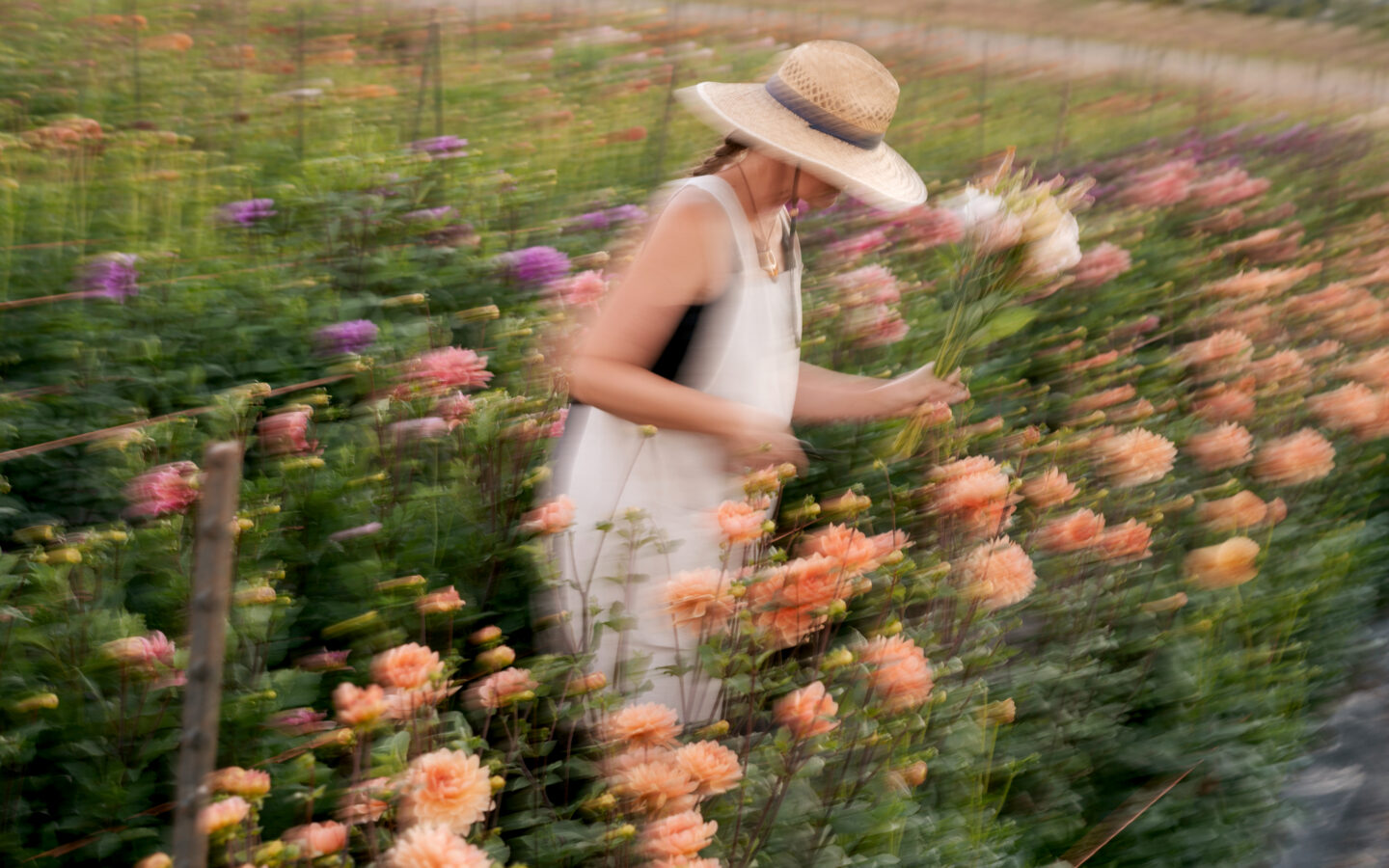
Digging in the dirt may be one of the most powerful prescriptions for a longer life.
When food prices go up, people start doing something revolutionary: they start gardening more. Which turns out to be one of the healthiest possible responses.
During WWII, about 20 million American households grew produce in their backyards and in community gardens. These “Victory Gardens” supplied an estimated 40% of the fresh vegetables for people at that time. Today’s gardening wave is less coordinated, but the instinct is the same: when the world feels unsteady, plant things. We’re here for it! Because gardening may be one of the most underrated [lon-jev-i-tee]nounLiving a long life; influenced by genetics, environment, and lifestyle.Learn More: Longevity practices we have.
A cross-sectional study published in Scientific Reports found that people who garden every day are 43% less likely to report anxiety or health problems than those who rarely get their hands in the dirt. And, researchers in Wales, measuring the oxygen uptake of gardeners, found that common tasks like digging, raking, and weeding were on par with brisk walking and even tennis.
So, yes, grow some tomatoes, cucumbers, and lettuce, or some beautiful flowers, and get your workout in at the same time. Here’s what the science says about gardening and longevity.
6 Ways Gardening Supports Longevity
The benefits of gardening go far beyond what you’d expect from a few hours spent digging in the dirt. From stress relief to strength building, there are several surprising perks to rolling up your sleeves and picking up a trowel.
“Gardening is beneficial for our health for so many reasons,” says Jennifer Shukaitis, MPH, a Program Leader and Family & Community Health Sciences Educator at Rutgers New Jersey Agricultural Experiment Station. Here are just a few of the ways gardening can lengthen your [helth-span]nounThe number of years you live in good health, free from chronic illness or disability.Learn More: Healthspan, according to the expert:
1) Build muscle and burn calories.
Move over, CrossFit. Planting, raking, carrying gardening equipment strengthens your muscles, burns calories (250 to 500 per hour), and helps you maintain fine motor skills and dexterity as you age. “The physical activity that you get gardening mimics a gym workout, with all the bending, reaching, stretching and even the walking that’s involved,” says Shukaitis.
Gardening also comes with an unexpected perk, compared to other forms of exercise. “People tend to stick with it longer,” Shukaitis notes. “If you’re going to go for a run, you might run for 15 minutes, but when people garden, there’s some evidence that shows that people stick with it for about 40 minutes longer [per week] than a typical workout because of the time it takes to do all the things that need to be done.” (Echoing this, a 2023 study in The Lancet Planetary Health found that those who garden increase their physical activity levels by roughly 5.8 minutes per day, which translates to 40 minutes per week.)
2) Regulate your stress response.
Tending the soil regulates stress hormones, improving stress [ri-zil-yuhns]nounThe ability to recover quickly from stress or setbacks.Learn More: Resilience. It also serves as a [mahynd-fuhl-nis]nounThe practice of paying attention to the present moment with non-judgmental awareness.Learn More: Mindfulness practice that promotes memory, attention span, and mental well-being, shows a study published in Discover Public Health.
“Gardening can help with social-emotional health,” agrees Shukaitis. “You can get a sense of responsibility and pride from what you’re growing that fulfills our innate need to nurture.” That new sense of purpose could prove surprisingly fulfilling. It also shows up in our biology, adding years to our lives while keeping us healthy, sharp, and strong as we age.
3) Boost your [mahy-kroh-bahy-ohm]nounThe community of microorganisms (bacteria, viruses, fungi) living in a particular environment, especially the gut.Learn More: Microbiome.
Gardening might assist your immune system when you need it most. A 2024 study published in Scientific Reports analyzed the immune responses of people who handled bacteria-rich soil three times a day for 14 days before receiving a pneumococcal vaccine. It found that those who did so had more robust immune responses to the shots than people who didn’t massage dirt beforehand.
One theory for why: Good bacteria in the soil may have increased the diversity of participants’ gut and skin microbiota, stimulating immune system activity so it was primed for a more robust response.
4) Breathe in immune-boosting compounds.
Many garden plants, like aromatic herbs and flowers, release airborne compounds called phytoncides, produced to protect themselves against insects and microbes. A 2008 study out of Tokyo found that these compounds increase natural killer cell activity, a frontline immune defense against viral infections and some cancers.
Nature exposure, it turns out, is a vital pillar of longevity medicine, right alongside nutrition and exercise.
5) Sharpen your brain.
Move over, crossword puzzles. When you garden, you are constantly problem-solving in a way that engages your brain and may help protect it for decades. A 16-year study from the Medical Journal of Australia followed 2,805 adults aged 60 and older, and found that daily gardening predicted a 36% lower risk of dementia, a finding that held up for both men and women, even after adjusting for other lifestyle factors. (For comparison: daily walking was similarly protective, but only in men.)
And the effect may be traceable to something measurable in your bloodstream: In a 2019 study from Konkuk University, researchers drew blood from 41 older adults before and after a single 20-minute gardening session, cleaning, digging, raking, planting, and watering. Levels of BDNF (brain-derived neurotrophic factor, sometimes called “Miracle-Gro for the brain”) rose significantly. In other words: twenty minutes in the garden measurably bumped up the growth signal your brain uses to build and maintain itself. “You can get really deep into gardening,” says Thompson. “There’s a lot to read about.” As your skills improve, he suggests challenging yourself with specialist plants, joining plant forums, and learning which plants grow best in highly specific conditions.
6) Reset your circadian health.
We’ve been underselling what happens when you spend time outside, and it’s not really about [vai-tuh-min dee]nounA vitamin essential for bone health and immune function.Learn More: Vitamin D (though yes, you’ll get that too). The bigger story is circadian: we evolved to receive a big dose of bright daylight every day, and our modern indoor lives have quietly deprived us of it. Even a cloudy backyard delivers roughly ten times the light intensity of a well-lit office, enough to anchor your body’s internal clock, which in turn regulates sleep, mood, [kawr-tuh-sawl]nounA hormone that helps manage stress, energy, and alertness.Learn More: Cortisol, and metabolism.
In the largest study ever done on this question, a 2021 analysis of more than 400,000 UK Biobank participants published in the Journal of Affective Disorders, every additional hour of daytime outdoor light was independently associated with lower lifetime risk of major depression, greater happiness, fewer insomnia symptoms, and easier mornings. And yes, you can still wear sunscreen while you’re out there: A large meta-analysis of 69 observational studies found that real-world sunscreen use doesn’t meaningfully lower vitamin D levels. Reapply every two hours and get both.
Where to Start: Resources for New Gardeners
You don’t need much to begin gardening: a patch of dirt or a few containers, some decent soil, and a handful of seeds that aren’t too fussy. What you do need is trustworthy guidance so you’re not wading through Pinterest and AI-generated gardening hallucinations. A few places we’d send you first:
- Seed Savers Exchange. A nonprofit in Decorah, Iowa that has been saving and sharing heirloom seeds since 1975. Their mission is preserving garden diversity by keeping rare and endangered plant varieties in circulation. You’ll find heirloom tomatoes, peppers, beans, and flowers you literally cannot buy at a big-box store. Beginners should start with their catalog of “easy to grow” varieties, which are specifically flagged for new gardeners. Bonus: when you buy from Seed Savers, you’re helping keep genetically diverse food crops alive, which is a longevity story in its own right. They also have free resources and how-to’s for beginners.
- Your local Cooperative Extension office. Here’s a secret most people don’t know: Every state in the U.S. has a free, research-based gardening help line staffed by trained volunteers called Master Gardeners, run through the land-grant university system. You can email them a photo of your sick tomato plant and they’ll tell you what’s wrong. You can ask them what grows well in your zip code. You can take their beginner classes, many of which are free or very low-cost. Find your local program through the national directory at mastergardener.extension.org. This is one of the best-kept secrets in American public education, and it’s funded by your tax dollars.
- The Old Farmer’s Almanac Planting Calendar. For figuring out when to plant what in your specific area, the free online calendar at almanac.com uses your zip code to tell you the right dates for starting seeds indoors, transplanting outdoors, and expected harvest. It’s the single most useful free tool for first-year gardeners who are intimidated by the “when” question.
A note on where NOT to start: Skip the AI chatbots for gardening advice right now. They confidently hallucinate plant hardiness zones, invent pest solutions, and occasionally recommend something mildly toxic. Stick with humans and institutions that have skin in the game.
And, if gardening isn’t your thing: Try admiring gardens instead. Spending time in green spaces can bring you some of the same health benefits as gardening, says Thompson. The American Public Gardens Association maintains a list of gardens anyone can visit.
Read This Next
The information provided in this article is for educational and informational purposes only and is not intended as health, medical, or financial advice. Do not use this information to diagnose or treat any health condition. Always consult a qualified healthcare provider regarding any questions you may have about a medical condition or health objectives. Read our disclaimers.
Written By:
