

Yale is Teaching Doctors To Cook: Here are 6 Culinary Medicine Tips
A more scientific approach to cooking could unlock your health goals.
We’ve all heard it said that you are what you eat and that food is medicine. The notion that a healthy diet can help you live longer (or better) certainly isn’t anything new. But just because an idea is well-established doesn’t mean it’s easy to follow. One reason: Preparing healthy, delicious meals can feel like an absolute chore.
Enter culinary medicine. This growing field brings doctors, dietitians, and chefs together to teach nutrition science paired with practical cooking skills.
What Is Culinary Medicine?
“Culinary medicine takes nutrition, education, and medicine and mashes them all together to help people improve their health through cooking,” explains Nate Wood, MD, MHS, a doctor, chef, assistant professor, and the Founding Director of Culinary Medicine at the Yale School of Medicine.
More than 50 U.S. medical schools now offer culinary medicine programs or electives, a recent study notes. This includes the Institute for Culinary Education, which now trains chefs in health-centered culinary arts, and the American College of Culinary Medicine, which certifies chefs and foodservice professionals in preparing nutritious cuisine.
But you don’t have to be a doctor or a chef to benefit from culinary medicine; classes for the public are taking off, too.
Kelly Wilson, RDN, DipACLM, Lifestyle & Culinary Medicine Program Coordinator at Trinity Health in Michigan, says the field is evolving fast. “Nutrition is always a hot topic, but it’s gotten a lot more attention in recent years, and I think the public is hungry (pun intended) for practical application of all of this nutrition information that they’re receiving,” she tells Super Age.
In a healthcare landscape increasingly focused on prevention, the kitchen may be one of the most underrated clinical settings there is. Here’s how culinary medicine can make you healthier, and how to get started.
The Benefits of Culinary Medicine
Wilson describes culinary medicine as combining the art and science of cooking to manage, prevent, and treat certain health conditions. “We’re doing that by focusing on whole, plant-forward dietary patterns, because we know that these have the strongest evidence for disease prevention, treatment, and reversal,” she says.
Wood emphasizes that anyone at any stage of life can benefit from learning about culinary medicine.
“There’s never a wrong time to improve your diet, and the earlier, the better,” said Wood. “People who have a diet-related condition or are at some higher risk for a diet-related condition, such as type two diabetes or prediabetes, cardiovascular disease, overweight, or dementia, are really good candidates.”
Here’s how you can expect culinary medicine to enhance your life and health, whatever your end goal:
- When you know how to cook plant foods, you’ll eat more of them. Plant-based diets rich in fruits, vegetables, legumes, and whole grains are linked to better health and [lon-jev-i-tee]nounLiving a long life; influenced by genetics, environment, and lifestyle.Learn More. Culinary medicine can help you find practical ways to work these foods into your diet.
Just how big of a difference can a little culinary education make? Impressively, a study published in Nutrients found that people who learned about plant-based cooking through eight 90-minute Zoom classes led by a chef and dietitian increased their intake of whole foods by 69–118%. - Culinary medicine supports weight loss and [hahrt helth]nounThe overall condition and function of the cardiovascular system, including blood pressure, cholesterol, and arterial health; critical for longevity and disease prevention.Learn More. In a separate study, Wilson’s team found that people who completed a 12-week lifestyle program with culinary demonstrations, virtual classes, dietitian sessions, and access to fitness professionals saw meaningful changes to their health. They lost weight, reduced waist circumference, and lowered systolic and diastolic blood pressure, all heart-healthy changes.
“When people understand the why behind some of these lifestyle changes and are then given the opportunity to practice or develop skills in all of these areas, that combination leads to behavior change and habit adoption,” she explains. - Culinary medicine might boost mental health. In another new study published in the journal Nutrients, people at risk for [hahrt dih-zeez]nounConditions affecting heart health and circulation.Learn More who completed eight weekly group cooking classes experienced a 19% decrease in perceived stress, a 6% to 8% increase in positive feelings, and a 13% decrease in negative feelings. They also felt more energetic and less fatigued.
Improved nutrition is one explanation; the unsaturated fats and fiber in their upgraded diets might support brain health. However, there’s probably more to it, the researchers say. The cooking classes likely fostered social connections, gave participants a new sense of purpose, and boosted their self-esteem.
“I’ve heard people call culinary medicine ‘group therapy,’ because you come into this class with people you do not know, and you are all focused on improving your health by learning and working together on that shared goal,” said Wood.
How to Practice Culinary Medicine:
You don’t have to enroll in a culinary medicine program to put your cooking and science skills to work. These low-entry options can help you master the basics while reaping the rewards.
1) Find a culinary medicine program
Take a culinary medicine cooking class at a local hospital, university, or culinary school. Or try a virtual course. The American College of Lifestyle Medicine maintains a free library of culinary medicine videos so you can sauté, stir fry, braise, and roast on your own time. Wood’s team offers free recipes and monthly webinars. Wilson’s free virtual classes are growing in popularity with viewers around the world.
2) Sharpen your knife skills
All of Wilson’s programs teach basic cutting and chopping. Simply taking a knife skills class (or practicing along with a YouTube video) could help you upgrade your cooking stills and nutritional intake.
“Knife skills are really important for prepping veggies. Many people haven’t had the opportunity to develop those skills before, and so they really connect with that piece of the education,” she says. The go-to lesson that participants often identify as a game-changer? Learning to dice an onion.
“We teach about the claw technique, which is where you take your non-dominant hand and kind of curl your fingertips under, which allows you to protect your fingertips and have more control over whatever you’re cutting,” offers Wood.
3) Try a recipe outside your comfort zone
Experimenting with new ingredients can be a simple first step in revamping your cooking habits.“Many people comment on how these classes help demystify some foodsthat they may have heard of, like tofu or tempeh, but they were always a little shy about trying because they didn’t know how to prepare them in a tasty way,” says Wilson.
In a recent class, students liked tempeh tacos more than tacos with turkey, beans, or lentils. The technique is simple: Crumble the tempeh so that it resembles ground meat in size and consistency. Sauté it in a pan with cumin, garlic powder, and chili powder (components of most taco seasonings) and add salsa for a final flourish.
4) Buy more frozen vegetables
“We spend a lot of time talking about using frozen vegetables,” says Wood. “If you have a dish that calls for chopped onions and peppers, you can buy frozen pre-chopped onions and peppers. They’re just as healthy as fresh ones, and you don’t have to cut them at all.”
Bonus: Frozen veggies are cheap, last for months, and pack in plenty of nutrients. “Frozen vegetables are picked at the peak of ripeness and then flash frozen when they’re most nutrient-dense, and that kind of locks everything in,” Wood adds.
5) Curate your pantry
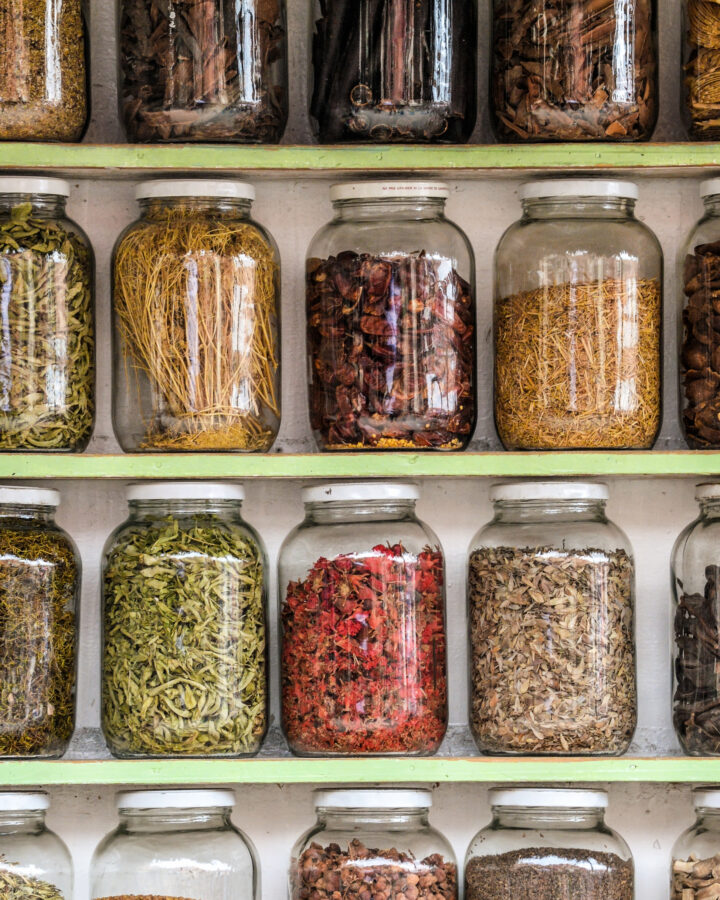
Be sure to also pack your pantry with nutrient-dense basics, while skipping sodium-filled soups and other processed fare. Olive oil, whole grains, canned tomatoes, and a solid spice rack make healthy cooking the path of least resistance.
Legumes are the MVPs (most valued pantry staples), the experts agree. “Canned beans, lentils and other legumes of all kinds are super cheap, super versatile, extremely healthy, and take no time to prepare,” asserts Wood. “Pop some chickpeas in your air fryer with olive oil, salt, pepper, and they’re roasted in a matter of 10 or 15 minutes, absolutely delicious on salads and in soups and as a snack.”
6) Treat seasoning as a health skill
Learning to use herbs, spices, acid, and heat to make whole foods taste good is what makes the whole thing sustainable. When you build flavor this way, rather than with salt, sugar, or processed sauces, you’re quietly stacking your meals with compounds that support long-term health.
Herbs and spices also come with their own unique medicinal benefits. Turmeric brings anti-inflammatory curcumin, while garlic supports both cardiovascular health and immune function. Fresh herbs like parsley and cilantro deliver easy-to-miss micronutrients, while oregano and thyme punch well above their weight in antioxidants.
The most sophisticated nutrition science in the world means little if you can’t translate it into a meal. Mastering basic culinary medicine skills, how to build a balanced plate, cook with whole ingredients, and use flavor to make healthy food worth eating, is what bridges the gap between knowing and doing.
Best of all, you don’t need to have chef-level technique or doctor-level understanding to overhaul your health with food. Build long-term skills and habits, rather than relying on trends or quick fixes, to make healthier choices day after day.
Read This Next
The information provided in this article is for educational and informational purposes only and is not intended as health, medical, or financial advice. Do not use this information to diagnose or treat any health condition. Always consult a qualified healthcare provider regarding any questions you may have about a medical condition or health objectives. Read our disclaimers.
Written By:
