

What to Eat: The Science of Longevity Nutrition
Evgeniia Siiankovskaia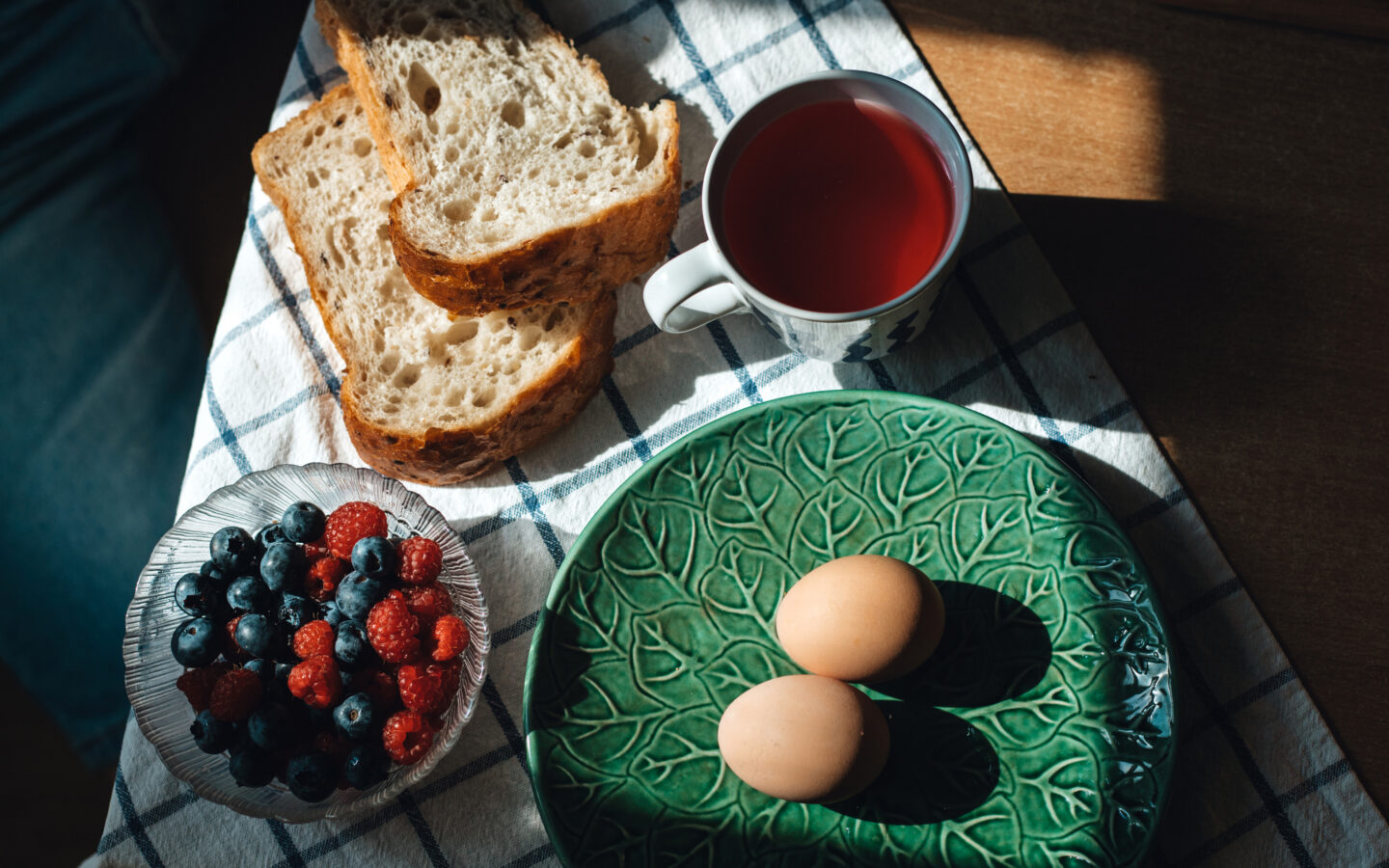
Real, whole foods, and piles of vegetables, can add years to your lifespan and [helth-span]nounThe number of years you live in good health, free from chronic illness or disability.Learn More
Sure, you can stand in front of red lights or dip into icy water every morning, and yes, you need to increase your [vee-oh-too maks]nounA measurement of how much oxygen your body can use during exercise.Learn More, improve your sleep, and calm your stress, but if you want to be consistent with any lifestyle changes that fuel your healthy years, you have to pay attention to what you eat. It’s definitely part of the most important triad of [lon-jev-i-tee]nounLiving a long life; influenced by genetics, environment, and lifestyle.Learn More: muscle, sleep, and nutrition.
“I put nutrition as number one,” says Kimberly Gomer, a registered dietitian. Of course, as a nutrition specialist, she’s a little biased. But, she explains, “if you’re not stressed out, you’re getting good quality sleep, and you’re exercising but you’re eating foods that literally metabolically damage you… it’s not going to work out well.”
That’s because compounds our body creates from the foods we eat can protect us from damage to our cells: Antioxidants fight against reactive oxygen species that we’re exposed to in polluted areas. Polyphenol compounds can increase the rate at which our bodies clear out old, malfunctioning cells, increasing efficiency. And certain foods we eat can improve how well we digest and process those other compounds by feeding and improving the bacteria and other microorganisms living in our gut.
“When we talk about food as medicine, this is it: Taking all these foods and transforming them into postbiotics, these derivative compounds that are then absorbed systematically and work their magic on us,” adds Kara Fitzgerald, ND, author of Younger You: Reduce Your Bio Age and Live Longer, Better.
Our understanding of these compounds, and how they impact our aging processes and speed, is still growing every day. But it’s clear: Just like you can’t out-train a bad diet, you can’t outlive one, either.
The Science of Healthspan Nutrition
While “lifespan” describes how many years we live, “healthspan” is a word that scientists use to talk about how long we live without chronic disease — basically, how many years we remain healthy and independent. As we age, our healthspan comes under attack from the natural aging process: Molecules in our body are damaged by persistent, low-grade [in-fluh-mey-shuhn]nounYour body’s response to an illness, injury or something that doesn’t belong in your body (like germs or toxic chemicals).Learn More, by changes to our metabolism, and by oxidative stress, an imbalance between the number of free radicals and antioxidants in the body.
All of these are natural processes, and they’re beneficial and necessary at normal levels. Inflammation, for example, gets a bad rap, explains Jae Berman, a registered dietitian at Jae Berman Nutrition.
“When you think of inflammation, what you should truly be thinking about is the immune response that occurs naturally in the body when something is happening,” she says. When there’s injury or illness in the body, your immune system sends in different types of cells to fight off pathogens, fix damage, and do other repair work. “Inflammation from that perspective is good. If you got a cut on your arm and you didn’t have immune cells and inflammation, it would never heal.”
But as we age, and stressors from our environment, pollution, and the food we eat pile up, our inflammation system can stay turned on even when there’s not a cut to fix. This persistent, low-grade inflammation is called “inflammaging,” and is related to chronic diseases including diabetes, [hahrt dih-zeez]nounConditions affecting heart health and circulation.Learn More, and Alzheimer’s.
The same goes for free radicals and a process called oxidation. Oxidation occurs when your body uses oxygen to make energy. The byproduct of this process are reactive oxygen species, a type of “free radical.” These toxins are usually counteracted by antioxidants in our bodies and diets.
But when there are too many of these free radicals present because we’ve been exposed to them in our environment, or in ultra-processed food, for example, the balance between free radicals and antioxidants gets out of whack, leading to a condition called “oxidative stress.” This stress leads to cell damage and contributes to risk for diseases like rheumatoid arthritis, heart disease, and cancer.
Age-related changes to our DNA can even happen in the “wrong” way. As we age, our DNA goes through a process called methylation. This process, where a group of carbon and hydrogen molecules attach to certain areas of our genes, determines whether the genes are expressed — whether they’re turned on or off.
As we age, we don’t engage in this process as efficiently, says Fitzgerald. The wrong genes get turned on as a result: Those that protect us from disease might not be turned on as much as they should. In lab tests, the levels and patterns of our DNA methylation are used to determine how much we’re aging.
So when these normal patterns go haywire, aging happens and our healthspan shrinks. That’s why scientists say that managing inflammation, oxidative stress, and our metabolism are “paramount to ‘optimal resilient aging,’” or natural aging with the lowest risk for cardiovascular and metabolic diseases, and the highest levels of physical and mental well-being.
That’s where nutrition comes in. Because all these processes can be improved by nutrition:
- Berries have high concentrations of [pol-ee-fee-nawlz]nounPlant compounds that act as antioxidants.Learn More, are loaded with antioxidants which can reduce oxidative stress, and may reduce inflammation.
- Fish and other foods rich in Omega-3 fatty acids protect against diseases caused by uncontrolled inflammation, like arthritis, heart disease, and cancer.
- Mushrooms and salmon help improve DNA methylation patterns, Fitzgerald adds.
- Fibrous foods and ferments help improve the health of our gut [mahy-kroh-bahy-ohm]nounThe community of microorganisms (bacteria, viruses, fungi) living in a particular environment, especially the gut.Learn More, allowing us to absorb more of the nutrients we eat (more on that below).
Aging, and the ways we deal with it, impact our nutrition, too. As we get older, we don’t taste and smell as well, which can lead to reduced appetite. And some common medications make it tougher to absorb certain nutrients. For example, cholesterol-lowering statins also reduce levels of coenzyme Q10, an antioxidant that your cells use to produce energy.
Moving from “Nutrition” to “Eating Patterns” for Longevity
Studying individual nutrients is great: Knowing, for example, that Vitamin E has been found to improve the function of immune cells called T cells, is helpful. But the nutrients we eat also interact with all the other materials — and other nutrients — in the food we eat. As a result, scientists have begun to focus more on the idea of eating patterns rather than individual nutrients: Basically, they’re looking at diets versus nutrition.
And certain diets have been found to help with longevity and healthy aging. The Mediterranean diet, for example, has been found in multiple studies to reduce risks of stroke, heart attack, and other chronic diseases. This diet focuses on eating more plant-based foods, more dark-colored vegetables, and healthy fats from olive oil, seeds, and nuts, and less meat and dairy.
Fitzgerald has studied an anti-aging diet that takes the base of the Mediterranean diet and adds more polyphenols, plant-derived compounds that fight against inflammation in the body. They’re found in leafy green vegetables like kale and spinach, as well as in cruciferous vegetables like broccoli. In a study where subjects ate a diet rich in polyphenols — about 3000 mg per day — people reduced their “biological age,” as measured by a DNA methylation test, by an average of 4.7 years in just eight weeks.
Getting the Basics Right
Often, talk about longevity and food revolves around obscure and expensive “superfoods,” which might be nutrient-rich, but aren’t always easy or realistic to fit into a normal diet.
Fitting in foods like these is like doing the fine detail work at the end of a house project — making sure the vases are spaced just right on an end table. To see big differences in your health and, ultimately, your longevity, you’ve got to build the foundation first, advise both Gomer and Berman.
For Gomer, that means taking certain foods that cause inflammation out of your diet: That means reducing alcohol and sugar intake, in all its forms, from cane sugar to corn syrup to agave and honey. It means reducing or eliminating ultra-processed foods that are shelf-stable and loaded with ingredients.
These ultraprocessed foods make up the majority of the calories consumed in the United States, have been linked to disease risk and death, and cause us to gain weight really fast: In a study where in-patient participants were allowed to eat as much ultra-processed food as they wanted for two weeks, and as much unprocessed food as they could for two weeks, the participants ate 400-600 calories more at each meal while on the ultra-processed plan, and gained about one pound per week.
On the other hand, while eating the more unprocessed diet for two weeks, the study subjects ate more protein and lost weight, even when they weren’t trying to.
Keeping things simple, and based on these types of foods, is the key to building a healthy diet for longevity, Berman tells us.
“The best thing a human being can do to support their longevity, their health, their inflammation, to support anything they’re doing… is to eat whole, real foods the large majority of the time,” she says. Focusing on these types of foods, she says, will automatically help avoid the longevity-depleting stuff that Gomer describes. “But you’re also getting the big kahunas [of good stuff]: Fiber, high quality protein, and heart-healthy fats.”
A Simple Label Test
Here’s an easy way to know if you’re eating a real, whole food. “To assess this, look at it and ask yourself, ‘did this have a mother, or did this come from the Earth?” Berman suggests. For foods like apples and chicken, the answer’s simple. But more complex foods, like sourdough bread, can also count as whole foods in her view. “This bread has just water and flour. The flour is a single-ingredient flour… and water and that flour both came from the Earth.”
When evaluating or consuming packaged foods, she suggests looking at the label in this way: Examine whether the constituent parts have come from the Earth or a mother. If they have, and you feel comfortable with it, add the food to your diet as a whole, real food. Doing so should help move your personal diet in the direction of longevity promotion.
The Basics: Start here:
- Use this simple label test. When buying packaged food, scan ingredients and ask: Do these components come from the Earth or a mother?
- Cut back on inflammatory inputs. Reduce alcohol and added sugars in all forms, from cane sugar to corn syrup to agave and honey.
- Minimize ultra-processed foods. Shelf-stable, highly processed products are linked to weight gain, higher disease risk, and excess calorie intake.
- Prioritize whole, real foods. Build meals around foods that “had a mother or came from the Earth.”
- Anchor meals with fiber. Vegetables, legumes, and whole foods naturally crowd out lower-quality options while supporting metabolic and gut health.
- Choose high-quality protein. Lean proteins, eggs, legumes, and fish help preserve muscle as you age.
- Include heart-healthy fats. Olive oil, avocado, nuts, and seeds support satiety and metabolic health.
Why Your Gut Microbiome Matters for Longevity
You’ve seen yogurt commercials about avoiding tummy troubles, but building and maintaining a diverse population of bacteria in your digestive system is about much, much more than trips to the bathroom. The trillions — yes, with a t — of microorganisms that live in your gut fight off diseases, and may help improve the process of aging. Studies have found that when people have a diverse microbiome that changes over time, they’re able to walk better and be more mobile than other older people who have had a stagnant gut over the same period. Those microorganisms even impact your mood and mental health, with your gut acting as kind of a “second brain.”
From a nutrition perspective, Fitzgerald adds, the gut microbiome has two key roles: First, when you eat food that has all the longevity- and health-boosting micronutrients discussed above, your body needs to process them to unlock them from the food molecules and deliver all those healthy goodies to your cells. The microorganisms swimming in your intestines act as the processing plants.
“You can’t overstate the importance of a healthy microbiome in taking all the foods we’ve been talking about and transforming them into the postbiotics, the derivative compounds that are absorbed and then work their magic on us,” she says. “When we’ve got a nice, robust microbiome, the bacteria can act on those micronutrients and convert them into these extraordinarily potent, exquisitely important derivative compounds.”
Second: The microbiome produces some of the vitamins your body needs. One of the major sources of Vitamin K in our bodies, for example, is a healthy gut.
The Basics of Gut Health
- It supports disease defense. A diverse microbiome helps regulate immune function and may protect against chronic disease.
- It influences moh-bil-i-tee]nounThe ability to move freely and easily through a full range of motion.Learn More and aging. Older adults with more dynamic, diverse gut bacteria tend to maintain better walking ability and physical function over time.
- It impacts mood and mental health. The gut communicates with the brain through the [guht breyn ak-sis]nounThe two-way communication between your digestive system and brain.Learn More, influencing stress [ri-zil-yuhns]nounThe ability to recover quickly from stress or setbacks.Learn More and emotional balance.
- It unlocks nutrients from food. Gut microbes transform polyphenols and other micronutrients into postbiotics, compounds that circulate through the body and support cellular health.
- It produces essential vitamins. A healthy microbiome contributes to the production of nutrients like Vitamin K, which supports bone and cardiovascular health.
- It amplifies the benefits of healthy eating. Without a robust microbiome, even a nutrient-rich diet cannot deliver its full potential.
Feeding the Healthy Gut You’ve Already Got
While yogurt is the food that’s best known for a connection to gut health, studies have found that eating active culture yogurt doesn’t really change the components of your microbiome all that much. (Yogurt, though, still provides health benefits, including protection from certain cancers, improved weight maintenance, and reduced risk of Type 2 diabetes.)
Other types of foods can help maintain the health of your current bacteria, and introduce more:
- Fermented foods: Foods like sauerkraut, kimchi, pickles, and kombucha that come from natural fermentation help introduce new tenants to your microbiome’s population, Berman says. While research on how much of the bacteria and other organisms in fermented food can take root in the gut is still ongoing, these foods have been shown to help promote “good” bacteria and modulate the less-good stuff. And scientists theorize that fermented foods may introduce new, good stuff in the small intestine, an area that’s less studied than the large intestine.
- Fiber: Eating fiber helps lower disease risk and reduces your chance of “all-cause mortality,” or early death. It’s also associated with smaller waist sizes and a bunch of other protective factors. But the wild thing about this nutrient is that we don’t — and can’t — digest it. But the microorganisms in our gut can. In fact, it’s essential to a healthy gut, Berman says. The reason: Your microbiome inhabitants use fiber for food, powering their processes and producing short-chain fatty acids that keep our colon healthy. But some studies have found that 95 percent of us don’t get enough. Feed your bacteria, Berman says: High-fiber carbohydrates like sweet potatoes help, but the biggest bang for your buck, she says, may be beans — legumes are loaded with fiber and have added protein, which can promote lean muscle and keep you feeling full.
- Foods with Lots of Vitamins: Different vitamins have been found to have different, beneficial effects on the microorganisms swimming in your intestines. For example, foods rich in Vitamin A (like eggs, leafy greens, and carrots) increase microbial diversity. Vitamin C (citrus, but also many other vegetables and even fish) increases diversity and the production of colon-healthy short-chain fatty acids. [vai-tuh-min dee]nounA vitamin essential for bone health and immune function.Learn More bumps up the “richness” of your microbes, while Vitamins B2 and E both improve the amount of microbes that produce short-chain fatty acids.
The Top Longevity Foods List
1. Vegetables (All of them)
If you eat them, you’re less likely to die. Period. But 91 percent of Americans don’t eat the recommended daily servings.
Data: In a 2022 study, scientists found that increasing from zero vegetables to four cups per day reduced their risk of stroke by 23 percent, their risk of diabetes by 26 percent, and the risk of certain cancers by 28.5 percent. By eating 7-9 cups per day — of just about any variety of non-starchy vegetable — you’ll load your diet with as many polyphenols as in the study that Fitzgerald conducted that reduced biological age by 4.7 years in eight weeks.
Tip: Fitzgerald suggests trying your daily veg in a big dose: Measure out all the cups you’re after into a single, big salad, and top it with fermented foods like kim chi to add some microbiome-healthy zing. If you’d rather have your veggies hot, flip the salad over into a stir fry pan, she says, and top it with lean protein.
2. Dark Leafy Greens and Cruciferous Vegetables:
Cruciferous vegetables, like broccoli and cauliflower, and dark, leafy greens, like kale and spinach, are loaded with polyphenols and rich in Vitamins A and C.
Data: Eating just one serving of leafy greens per day can help slow cognitive decline associated with aging. Andcruciferous vegetables have been found to help metabolize and clear toxins from the body; eating 250 grams per day of brussels sprouts and broccoli, for example, helps clear a carcinogens from the body.
Tip: Don’t want a salad or stir fry? Try blending some spinach or another leafy green into a smoothie, Fitzgerald says.
3. Berries:
Whether they’re blue, black, straw, or raspberries, those sweet little jewels are loaded with antioxidants and Vitamins, including potassium, magnesium, and Vitamin C. Eating berries may help your brain last longer to remember all the good stuff inside them: A 20-year study found that weekly berry eaters delayed cognitive aging by up to 2.5 years.
Data: In a study that analyzed data from more than 37,000 adults over 15 years, berry eaters lived longer: Their risk of death was reduced by 21 percent compared to non-berry eaters. The risk of death from cardiovascular or metabolic diseases was reduced by 25 percent… and a whopping 51 percent for people who ate cranberries. Another study found that people who ate blueberries three times per week lowered their risk for Type 2 diabetes. One more: When scientists analyzed data from 90,000 women over 18 years, those who ate berries three times per week were 34 percent less likely to have a heart attack than women who ate them only once per month.
Tip: Any berry will do! In the study of 37,000, strawberries, blueberries, and cranberries all reduced the risk of death significantly.
4. Mushrooms:
Mushrooms of all kinds are methyl donor foods, Fitzgerald says, meaning they help the healthy process of DNA methylation move forward.
Data: Mushrooms contain compounds that have [an-tee-in-flam-uh-tawr-ee]adjectiveReducing inflammation, which contributes to better overall health.Learn More effects, and also that help grow more and better gut flora: Compounds called polysaccharides in mushrooms are able to make it through the stomach and intestines without being digested, and then are able to help grow new bacteria in the colon. Beta-glucans in mushrooms (this is from the full text) help boost immunity and reduce DNA damage: In clinical studies, eating mushrooms containing these compounds helped increase the survival rate of colorectal cancer patients.
Tip: Try mushroom coffee. Many of the more expensive, more exotic mushroom species are available in coffee products that you can use in place of — or in tandem with — regular coffee.
5. High Quality Protein, with Less Red Meat:
“High-quality protein,” Berman says, “has what’s called a ‘high biological value.’ What that means is when you eat a bite of it, all [or most] of that bite is going to be used as protein.” Leaner white meats, for example, have high biological value, she points out.
Data: Why the knock on red meat? Protein is made up of amino acids, and certain amino acids are associated with negative health outcomes. Methionine, a type of amino acids, and branch chain amino acids (BCAAs), have both been found to have negative metabolic health consequences… and both are found in larger quantities in red meat than other protein sources. When humans eat less methionine, they metabolize more fat. And when more BCAAs are present in the body, they may hinder [aw-tof-uh-jee]nounThe body’s process of cleaning out damaged cells and regenerating new ones.Learn More in the liver, the process by which old, malfunctioning cells are killed off.
Tip: When eating lean protein, combine it with a healthy fat, Gomer says. This will help increase how satisfying the meal is, and also provide energy: While we think of carbs as our main energy source, we need fat for fuel.
6. Eggs:
They’re a high-quality protein, but deserving of their own category: According to some measures, more of the protein in eggs is digested than from almost any other food source (see Table 5, DIASS scores). Incredibly, they may actually help your cholesterol, boosting levels of HDL, the “good” cholesterol.
Data: Some studies have found that egg consumption is associated with higher risks of death, but most of the recent research shows that the confidence in these conclusions is low. One Chinese study found that people who consumed eggs showed beneficial increases in 14 different biomarkers that protect from cardiovascular disease, and other studies have shown that if you’re overweight, eating eggs can decrease inflammation. They can also help you maintain your vision long-term: When older adults have just one egg per day, they significantly increase the amount of lutein in their body, which helps protect againstage-related macular degeneration.
Tip: Include the yolk. It’s an important source of choline, a nutrient that may help reduce the risk of Alzheimer’s.
7. Coffee:
Your morning cup (or more) has antioxidants that help temper the risk of cancer and cardiovascular disease.
Data: A meta-analysis of 50 studies found that consuming up to three cups of coffee per day could improve lifespan by an average of 1.8 years. In some studies, the benefits increased up to seven cups per day.
Tip: Decaf counts, too! Several of the studies in the analysis included decaffeinated coffee. In one, from 2018, drinking 2-3 daily cups of decaf reduced the risk of death by 10 percent over 10 years.
8. Avocado:
It’s great eaten whole, but consider avo for its oil, says Gomer. Avocado oil won’t burn while cooking at high heat, and is loaded with monounsaturated fats, which have been found to lower triglyceride levels and blood pressure.
Data: Avocados can help with the size of LDL, “bad” cholesterol particles. When these particles are smaller, they’re more dangerous, because their size enables them to easily penetrate arterial walls. Eating a diet that includes one avocado per day for five weeks was found in one study to help reduce the number of these small, dense LDL particles.
Tip: Add some to a salad at lunch to stay full. In one study of overweight adults, those who included avocado with their midday meals felt more satiated over the 3-5 hours after lunch than those who didn’t have avocado.
9. Fatty Fish: Salmon, Sardines, and Mackerel:
We all know salmon’s loaded with Omega-3s, but “small fish are always winners when it comes to proteins,” counsels Berman. “Sardines, mussels, and herring, they’ve got Vitamin D and Omega-3s, which can help with inflammation.”
Data: Eat more of these fish, and you’ll live longer. A study that looked at data from more than 400,000 people over 16 years found that the people who ate the most fishes with Omega-3s had a 9 percent lower risk of dying during the study than those who ate the least fish. For both men and women, eating more fish was associated with a 10 percent reduced risk of death from cardiovascular disease.
Tip: Just like Taco Tuesday or Meatless Monday, set up a fish night (or two) each week, like Salmon Sunday or Omega Thursday.
10. Extra Virgin Olive Oil:
This staple of the Mediterranean diet is another robust source of monounsaturated fats, which can help reduce abdominal fat and the risk of metabolic syndrome, a group of metabolic abnormalities that greatly increases the risk for chronic disease.
Data: One study of more than 90,000 healthy people found that those who consumed more than a half-tablespoon of extra virgin per day had a 19 percent lower risk of early death over the 28 years studied than those who didn’t eat olive oil. Some research suggests that a compound in extra virgin olive oil called hyroxytyrosol may aid in autophagy, a process by which old, dysfunctional cells are killed off and cleared out of the body. Autophagy declines with age, leaving “zombie cells” behind that speed up aging.
Tip: Since EVOO burns easily, instead of cooking with it, add a bit to yogurt on days when you’re not having salad. In a German study, scientists found that doing so kept people feeling fuller than when they added other fats to the low-fat yogurt.
Frequently Asked Questions: Eating for Longevity
Q: Should I become a vegetarian?
A: Not necessarily. Plant-based diets do offer health benefits, including lower incidences of cancer and heart disease for vegans, but research on whether vegetarians live longer is mixed: In some studies, becoming a vegetarian can reduce your risk of early death by 9 percent, while in others, scientists have not found a difference in mortality between omnivores and veg-only.
Q: How much protein do I need for muscle maintenance as I age?
A: The National Institutes of Health recommends that adults consume 0.8 grams of protein per kilogram of bodyweight per day (around 0.363 grams per pound). If you weigh 150 pounds, that’s 54.4 grams per day.
But to battle muscle loss associated with aging, The International Society of Sports Nutrition suggests a little more: 1 to 1.2 grams per kilogram of body weight. For that same 150-pound person, that’s 68-81.6 grams per day.
Q: What’s the best way to incorporate fermented foods into my diet?
A: Berman suggests adding them to salad: Sauerkraut and kimchi will both add tang and crunch to a bowl of vegetables.
Q: Can I eat bread? Are carbs evil?
A: You need carbs to survive! And no, bread isn’t evil: Berman says that when bread, like many sourdough varieties, are made with minimal ingredients, you may even be able to consider them whole foods. Choose bread without added sugar.
Q: How much alcohol is safe for longevity?
A: “The most inflammatory thing you can put into your body is alcohol,” says Gomer. Most studies on health benefits of alcohol are sponsored by alcohol companies, calling their findings into question.
Q: Can medications interfere with the nutrients I absorb?
A: Yes. For example, metformin, one of the most commonly prescribed medications for Type 2 diabetes, can reduce the absorption of folate and Vitamin B12. Ask your doctor if any of the medications you take have these side effects, and what nutrients you can supplement or concentrate on eating.
Read This Next
The information provided in this article is for educational and informational purposes only and is not intended as health, medical, or financial advice. Do not use this information to diagnose or treat any health condition. Always consult a qualified healthcare provider regarding any questions you may have about a medical condition or health objectives. Read our disclaimers.
Written By:
