

Vegetarians Are Less Likely to Reach 100. But Here’s The Catch
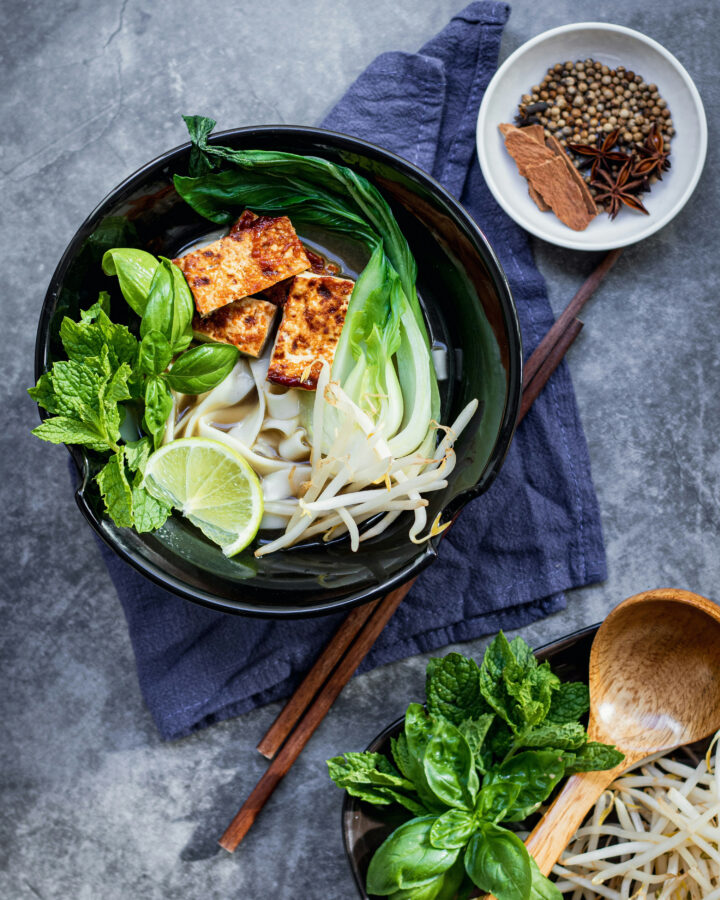
This isn’t an anti-plant story. It’s a protein-adequacy (and a proper weight) story.
Before you side-eye your salad: this is not about ditching vegetables in favor of red meat. And even though this finding is from the “world’s largest centenarian study,” the results are nuanced.
This is research into what happens when the body doesn’t get enough of what it needs, and how protein math shifts as we age. A major new study published in The American Journal of Clinical Nutrition tracked more than 5,200 Chinese adults over the age of 80 and found that those following a vegetarian diet were less likely to live to 100 than omnivores. The headline is provocative. The details are more interesting (and more useful) than any “eat meat, live longer” takeaway could ever be.
Because when you look closely, this study isn’t really about vegetarianism at all. It’s about protein adequacy, body mass, and what the body demands of us when we’re in the decades that matter most.
Not A Fringe Study
This is not a fringe finding. It’s a serious team working with one of the largest datasets. The research was led by Xiang Gao, MD, PhD, a former Harvard Medical School faculty member and current Dean of the Institute of Nutrition at Fudan University, with over 300 peer-reviewed publications in nutritional epidemiology and aging.
That dataset is the Chinese Longitudinal Healthy Longevity Survey (CLHLS), one of the largest and most respected studies of adults over 80 in the world, following people across 22 of China’s 31 provinces since 1998. It contains the world’s largest sample of centenarians. They looked at dietary patterns: omnivore, pesco-vegetarian (fish but no meat), ovo-lacto-vegetarian (eggs and dairy but no meat or fish), and vegan. And they adjusted for age, sex, education, smoking, drinking, exercise, and BMI.
Vegetarians as a whole had lower odds of reaching 100, with strict vegans showing a statistically significant reduction in the likelihood of becoming centenarians (29% lower odds). People who included some animal-derived protein, whether from fish, eggs, or dairy, weren’t at a measurable disadvantage. But the association between vegetarianism and lower centenarian odds was only significant in underweight individuals, those with a BMI below 18.5. Among people at a normal weight or above, the difference vanished.
So, the story isn’t “stop eating plants.” Or, overdo it on “meat is the answer.” The takeaway is the same as it has been: balance is the answer, and adequate protein is the mechanism.
The Protein Math (Whether You Eat Meat or Not)
The core finding aligns with a growing body of research findings from around the world: as we age, protein needs increase. And meeting those needs becomes harder, not easier, on a plant-only diet. The amino acid profiles of plant proteins are less complete, their bioavailability is lower, and the sheer volume of food required to hit adequate protein levels can be prohibitive.
If you eat a plant-forward diet, keep eating it. The cardiovascular and metabolic benefits of vegetables, fruits, legumes, and whole grains are well-documented and real. This study doesn’t contradict that.
What it does is add a time-sensitive layer: as you get older, the margin for nutritional error gets thinner. Protein adequacy is a longevity essential. Muscle mass,bone density, cognitive function, immune [ri-zil-yuhns]nounThe ability to recover quickly from stress or setbacks.Learn More, all of them depend on it.
Here’s what to consider, regardless of your restrictions:
Know your number. The standard protein recommendation of 0.8 g/kg was established based on younger populations. After 65, that number goes up. The PROT-AGE Study Group, an international panel of experts, recommends 1.0 to 1.2 grams of protein per kilogram of body weight per day, and even more if you’re active or managing a chronic condition. For a 150-pound person, that’s roughly 68 to 82 grams daily.
Distribute it across meals. Your body uses protein most efficiently in doses of about 25 to 40 grams per sitting. Three protein-rich meals beat one large one.
Include eggs, fish, or dairy if they work for you. This study, and its companion research, consistently found that pesco-vegetarians and ovo-lacto-vegetarians fared no worse than omnivores. If you’re plant-forward but flexible, that flexibility may be doing more work than you think.
Watch your weight (in the other direction). We spend a lot of time talking about the risks of being overweight. This research is a reminder that being underweight carries its own serious risks, particularly when combined with low protein intake. Maintaining adequate body mass is protective.
Try This: The 24-Hour Protein Audit
Tomorrow, track every gram of protein you eat for a full day. Not calories, just protein. Write it down or use a simple tracking app. Note the source (animal, plant, or both) and when you ate it.
Then ask yourself three questions:
- Did I hit my target per meal? (25 to 40 grams per meal, depending on how active you are.)
- Am I relying on one protein source too heavily? (Diversity of sources = diversity of amino acids.)
- Was it distributed across the day? (Front-loading all your protein at dinner is a common pattern worth breaking.)
Don’t worry if the numbers surprise you. That’s useful information. Even among people who believe they know their daily protein target, more than half underestimate it, according to a 2025 survey from the International Food Information Council. Knowing where you actually stand is the first step toward making a meaningful shift.
Read This Next
The information provided in this article is for educational and informational purposes only and is not intended as health, medical, or financial advice. Do not use this information to diagnose or treat any health condition. Always consult a qualified healthcare provider regarding any questions you may have about a medical condition or health objectives. Read our disclaimers.
Written By:
