

The Nitric Oxide Link Every Perimenopausal Woman Should Know
What the science says about circulation, hot flashes, blood pressure, and vascular [ri-zil-yuhns]nounThe ability to recover quickly from stress or setbacks.Learn More in midlife women.
[peh-ree-men-uh-pawz]nounThe transitional period before menopause when hormonal shifts begin.Learn More is often framed as a hormone story. But underneath the hot flashes, sleep disruption, and exercise tolerance changes is another system quietly recalibrating: your blood vessels.
[nahy-trik ok-sahyd]nounA molecule produced naturally in the body that relaxes blood vessels, improves circulation, and supports heart and brain function.Learn More (NO) helps blood vessels relax and respond to stress. It regulates circulation, blood pressure, thermoregulation, and even sexual arousal. And the cardiovascular system is highly sensitive to estrogen fluctuations.
As estrogen begins to rise and fall unpredictably in perimenopause, nitric oxide availability often becomes less reliable. That doesn’t cause every symptom. But it helps explain why so many women notice changes that feel vascular in nature: sudden flushing, dizziness during workouts, disrupted temperature control, or slower recovery. Nitric oxide isn’t a cure for perimenopause. But supporting Nitric Oxide can meaningfully improve how resilient your system feels during this transition.
What the science on NO and menopause actually shows
Estrogen normally supports nitric oxide production by activating endothelial nitric oxide synthase (eNOS), the enzyme that allows blood vessels to dilate smoothly. During perimenopause, fluctuating estrogen can reduce this signaling efficiency. The result is stiffer vessels, less adaptive [bluhd floh]nounThe movement of blood through the circulatory system, delivering oxygen and nutrients to organs and tissues to support energy, healing, and overall health.Learn More, and a nervous system that has to work harder to regulate heat and blood pressure.
This matters because many hallmark perimenopause symptoms involve vascular responses. Hot flashes are driven by the brain’s thermoregulatory center due to declining estrogen levels, but studies show nitric oxide is directly involved in the blood flow changes that occur during a hot flash.
However, clinical trials using nitric oxide drugs like nitroglycerin have not reliably reduced hot flashes long-term. Translation: nitric oxide is part of the physiology, but pushing it pharmacologically doesn’t override the central nervous system changes driving symptoms.
Where nitric oxide support does show consistent benefit is cardiovascular function. In postmenopausal and midlife women, dietary nitrate that supports nitric oxide has been shown to improve endothelial function, blood pressure regulation, and exercise response.
That distinction matters. This is about supporting capacity, not suppressing symptoms.
6 Research-Backed Ways to Protect Long-Term Health in Perimenopause
These strategies are safe for most people, evidence-aligned, and focused on supporting vascular resilience rather than chasing symptom relief.
1. Eat nitrate-rich greens regularly, not occasionally
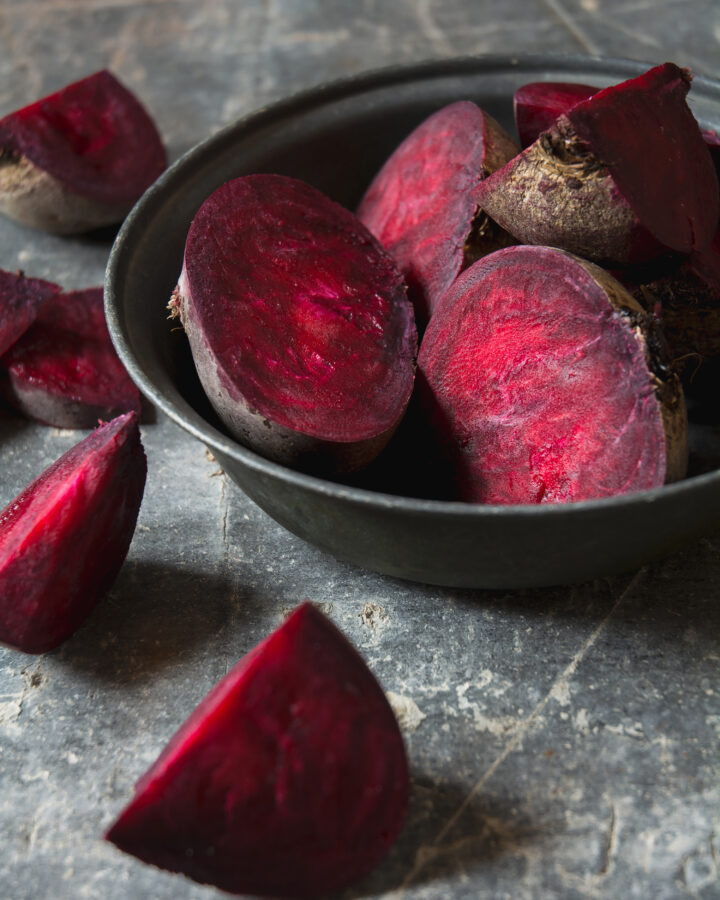
Leafy greens like arugula, spinach, Swiss chard, and beetroot supply dietary nitrates that convert to nitric oxide through a complementary pathway that becomes more important with age. Consistency matters more than dose. Think “most days,” not detox-style bursts.
2. Move in ways that create gentle vascular shear stress
Aerobic movement increases nitric oxide naturally by stimulating blood flow along vessel walls. Walking, cycling, swimming, and zone-two cardio are particularly effective. This is one reason many women feel better after moderate movement, even when intense workouts feel destabilizing during perimenopause.
3. Don’t sabotage nitrate conversion with antibacterial mouthwash
The nitrate-to-nitrite step in the conversion of dietary nitrates to NO relies on oral bacteria. Regular use of strong antibacterial mouthwash can blunt this pathway. If nitric oxide support is a goal, timing matters. Skip mouthwash right before and after nitrate-rich meals.
4. Prioritize sleep as a nitric oxide amplifier
Sleep deprivation reduces endothelial function and nitric oxide signaling. Perimenopause already challenges sleep. Supporting sleep duration and regularity indirectly protects vascular health and enhances nitric oxide availability.
5. Strength train, but respect recovery
Resistance training supports nitric oxide signaling long-term, but excessive volume without recovery can increase oxidative stress and blunt benefits. Two to three well-spaced sessions per week tends to support vascular health without overwhelming a hormonally sensitive system.
6. Pair nitrate-rich foods with vitamin C–containing plants
Vitamin C helps stabilize nitric oxide and supports endothelial function. This is one reason combinations like arugula with citrus or beets with berries show up repeatedly in vascular nutrition research.
Supporting nitric oxide can help keep blood vessels responsive, adaptable, and strong as estrogen fluctuates and cardiovascular risk begins to rise. Nitric oxide may help improve circulation, exercise tolerance, blood pressure stability, and overall vascular resilience during perimenopause. Think of nitric oxide support as quiet, essential daily maintenance for your heart during perimenopause and menopause, helping it stay flexible and responsive long before problems ever announce themselves.
This is a paid content sponsorship with Berkeley Life. The author reported objectively on the research for this article. Thank you for sporting our sponsors. They help keep Super Age free.
Read This Next
The information provided in this article is for educational and informational purposes only and is not intended as health, medical, or financial advice. Do not use this information to diagnose or treat any health condition. Always consult a qualified healthcare provider regarding any questions you may have about a medical condition or health objectives. Read our disclaimers.
Written By:
