

The Longevity Superfood: Legumes (And Why You Should Eat More)
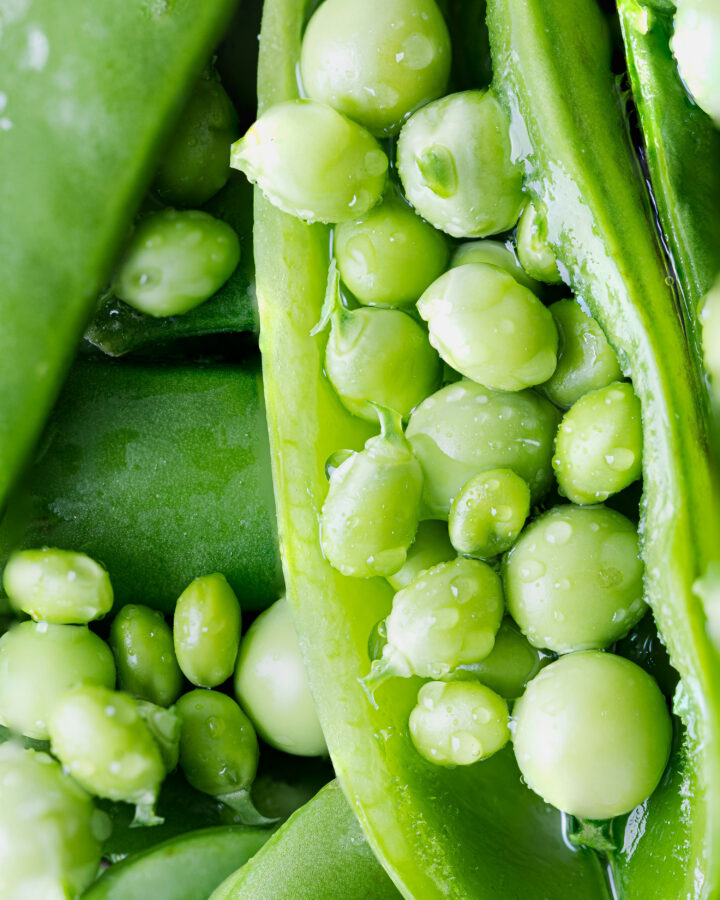
They’re not flashy. They’re not trendy. But the research on legumes and [lon-jev-i-tee]nounLiving a long life; influenced by genetics, environment, and lifestyle.Learn More is hard to ignore.
No single food group does more for less, so why are legumes — think beans, lentils, peas, chickpeas, and peanuts — still an afterthought on most people’s plates? As versatile as they are humble, these modest pantry staples pack a nutritional punch that most flashier foods can’t match.
But if the bean itself is overlooked and undervalued, so is some of the longevity research making the case for eating more. Admittedly, some of the headlines lack sizzle. But take a closer look and the evidence emerges in favor of the plant-based protein.
Take, for instance, this meta analysis of 32 studies and 1.1 million people, which tracked more than 93,000 deaths. It found that eating more legumes was associated with a 6% lowered likelihood of dying from any cause during the study period, as well as a slightly lower risk of dying from stroke. When researchers looked at other specific causes of death — [hahrt dih-zeez]nounConditions affecting heart health and circulation.Learn More, coronary artery disease, and cancer — the results were less clear-cut. At first glance, the study results seem unimpressive for the benefits of a supposed [soo-per-food]nounA nutrient-rich food that offers health benefits.Learn More.
But here’s where it gets interesting. Every additional 50 grams of legumes per day — roughly a third of a cup of cooked beans — was linked to another 6% reduction in overall mortality risk. The dose dependent results were linear, meaning the more legumes people consumed, the better the results. Those effects add up.
Other research points to even more dramatic conclusions. For instance, one study found that among hypertensive adults aged 35-70, those who consumed between 72 to 214 grams of legumes per day saw an 18% reduction in their risk of major cardiovascular events, as well as a 30% reduction in [awl kawz mawr-tal-i-tee]nounThe risk of death from any cause.Learn More. Now, there’s your sizzle.
The Benefits of Beans (and Beyond)
Legumes won’t single-handedly extend your life. But as part of a whole-food diet, the health evidence is strong.
We already know that legumes are a standout source of protein, complex carbs, fiber, and essential vitamins and minerals. Small but nutritionally mighty, they contain beneficial phytonutrients that help protect the body from free radical damage and environmental stressors.
One nutrition benefit of legumes that could support these findings, specifically lower mortality from stroke, is their high fiber content. Legumes are an especially good source of soluble fiber, which forms a gel-like consistency in the gut that aids in digestion, lowers LDL (bad) cholesterol, and stabilizes blood sugar.
This is especially important since many of us are not getting enough fiber. The RDA for the nutrient is 25 grams for women and 38 grams for men, but according to the CDC, most of us are barely getting half of that amount on a daily basis. Adding more legumes to our diets can help bridge this gap.
Legumes are also a good source of plant-based protein which helps with satiety and affects your levels of other nutrients like potassium, magnesium and folate — all of which are associated with lower blood pressure and improved cardiovascular risk.
And, when it comes to healthy aging, this review study found that regularly eating legumes may support long-term cellular health, help maintain energy, and boost physical function as you age.
If You’re Active, This Matters
Legumes are great fuel for active individuals because they’re a good source of complex carbs, protein and key micronutrients like potassium and magnesium (which help support muscle contraction and nerve function).
A recent study put legumes to the test in an unlikely arena: the swimming pool. Researchers wanted to know whether eating more of them — as part of a Mediterranean-style diet — could measurably improve how young competitive swimmers’ bodies performed.
The setup was simple. Thirty-nine swimmers were split into two groups: one ate three servings of legumes a week, while the other doubled that to six. After the study period, the higher-legume group showed real, measurable differences — better hydration, healthier cell function, and a more responsive autonomic nervous system, which is the system quietly running in the background regulating your heart rate, digestion, and how your body handles stress.
In other words, eating more beans and lentils didn’t just affect what was on their plates and grocery bills — it showed up in how their bodies functioned.
Thirty-nine participants is a small sample, and the researchers acknowledged that larger studies are needed before drawing sweeping conclusions. But as a proof of concept, the findings are hard to ignore: something as simple as doubling your weekly legume intake could give athletes a meaningful physiological edge. Given what we already know about the benefits of adding high-fiber plant-based foods to your diet — it’s part of how the Mediterranean Diet prevents disease and supports active aging — eating more is a win-win.
The bottom line? A legume-enriched Mediterranean dietary pattern may contribute to optimizing both physiological [ri-zil-yuhns]nounThe ability to recover quickly from stress or setbacks.Learn More and performance in athletes. Legumes support energy production, muscle health, and more through their protein, carbohydrate and micronutrient content — all great for supporting active bodies.
Try This: How To Get More From Every Bean
Aiming for 1 ½ -2 cups cooked legumes per week is a great place to start. If you really want to maximize health benefits, gradually increase to at least ½ cup a day.
Pairing legumes with vitamin C-rich foods (think citrus, peppers, tomatoes, and broccoli) helps with bioavailability, increasing iron absorption. Combining them with a source of whole grains like rice or quinoa — think rice and beans — creates a complete protein, supplying the essential amino acids that are missing in beans alone.
5 Easy Ways to Eat More Legumes
How can we put this into practice for our own lives? It’s simple. Aim to incorporate legumes into meals and snacks on a daily basis to support overall health and longevity. A few simple ways to sneak them in:
- Blending a can of white beans into soup for a creamier consistency
- Snacking on peppers, carrots, and tomatoes with hummus
- Mixing 1 cup of cooked lentils into ground beef for more fiber and protein
- Roasting chickpeas with spices for a crunchy snack
- Adding a side of rice and beans to your tacos
And, a mental reframe might not hurt either: There’s nothing “humble” about what legumes do for the human body as part of a healthy diet.
Read This Next
The information provided in this article is for educational and informational purposes only and is not intended as health, medical, or financial advice. Do not use this information to diagnose or treat any health condition. Always consult a qualified healthcare provider regarding any questions you may have about a medical condition or health objectives. Read our disclaimers.
Written By:
