

The Longevity Power of VO₂ Max (And How to Train It Safely)
Pardina Studio x Katya D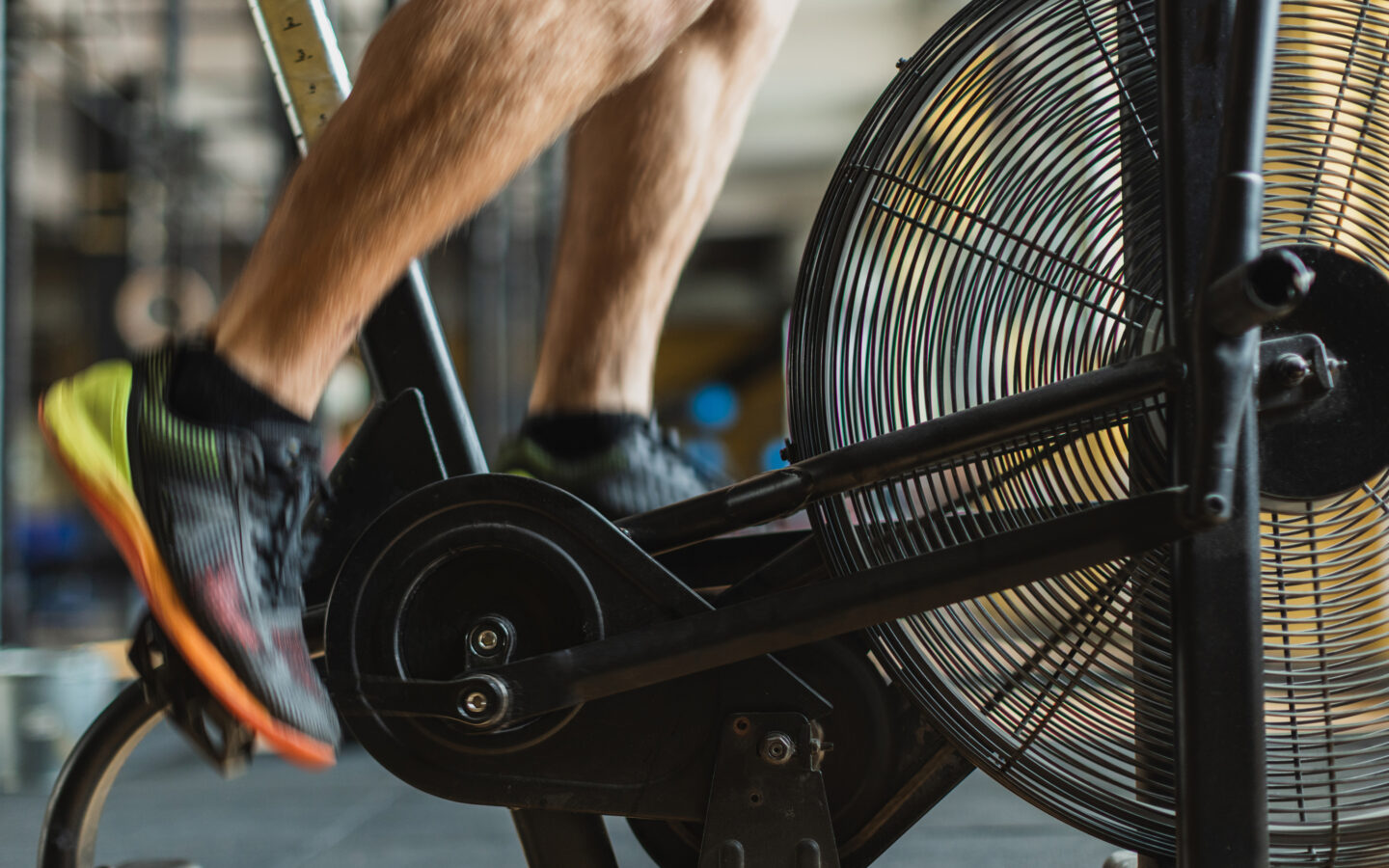
The science behind VO₂ Max, why it matters more than ever, and how to increase it with smart, sustainable training.
Your muscles run on oxygen. Each time you train, your bloodstream rushes to deliver it and your [mahy-tuh-kon-dree-uh]nounOrganelles in cells responsible for producing energy (ATP), often called the powerhouse of the cell.Learn More convert it into ATP, the fuel behind every contraction. But your body can only supply so much. The upper limit of your oxygen-delivery system is called VO₂ Max, and [lon-jev-i-tee]nounLiving a long life; influenced by genetics, environment, and lifestyle.Learn More researchers consider it one of the most important biomarkers you can influence.
VO₂ Max reflects how efficiently your heart, lungs, blood vessels, and muscles work together during intense exertion. And the science is striking:
- Every 1-MET increase in cardiorespiratory fitness is associated with an 11% reduction in [awl kawz mawr-tal-i-tee]nounThe risk of death from any cause.Learn More, according to a 2022 Mayo Clinic meta-analysis of 2.26 million people. (One MET is the energy your body uses at rest. A 1-MET increase in fitness means your cardiovascular system can now deliver enough oxygen to sustain a slightly more demanding activity.)
- Higher cardiorespiratory fitness is strongly linked with longer life expectancy, with benefits comparable to or greater than avoiding smoking or diabetes, according to a 2018 study published in JAMA Network Open that followed more than 122,000 adults.
- Each 1-MET increase in aerobic capacity (roughly equivalent to a 1 km/h faster jogging pace) corresponds to a 13% lower risk of death, according to a JAMA meta-analysis.
In other words, VO₂ Max is not simply a “fitness score.” It is a measurable predictor of how long (and how well) you may live.
How to Improve VO₂ Max
Exercise physiologist Mike Nelson, PhD, says interval training is the most reliable way to increase this metric. “VO₂ Max intervals take you right up to your personal red line,” he explains. These short, intense efforts challenge your cardiovascular system, followed by periods of light movement or full rest. Training this way twice a week gives your system enough stimulus to adapt without overwhelming it.
The biggest risk with VO₂ Max work is too much intensity too soon. Until you’re highly conditioned, sprint intervals or 4×4 sessions more than once weekly can exceed your recovery capacity. The goal is to apply enough stress to trigger adaptation without impairing immune function or performance.
“You want the effort to feel very hard, but still controllable for two to eight minutes,” Nelson says. He advises beginners to work at maximal sustainable output for two to three minutes rather than forcing themselves into longer intervals that compromise technique and safety.
A Proven Protocol: The Norwegian 4×4
This method is well-studied and widely used in endurance science. Research shows the 4×4 reliably outperforms steady-state cardio across a wide range of people, from the moderately active to people with obesity and even patients with coronary artery disease. But the protocol requires precision. To stay within the target range of 85–95% of your max heart rate, you’ll need to adjust speed or resistance throughout each interval.
Most people start at a higher power output and gradually dial it down as fatigue sets in. This is expected. The real goal is to accumulate time in the target heart-rate zone, since this drives the largest VO₂ Max adaptations. Because most studies were done in men, women may benefit from slightly shorter intervals or more conservative pacing until they get familiar with the demands of the session.
How to do it:
- Warm up for 10 minutes so your muscles and cardiovascular system are ready.
- Use a machine that engages both upper and lower body, like a rower or fan bike. A power meter or heart-rate monitor helps you stay in the right zone.
- Increase speed or resistance until your heart rate rises into 85–95% of your maximum. Expect to adjust the workload during the interval to stay in that range.
- Hold that effort for about 2 minutes.
- Recover with full rest or very light movement.
- Repeat for four rounds. Round one will feel controlled; round four will feel very challenging.
- As your fitness improves, gradually extend the length of each high-intensity interval.
Consistency matters more than heroics. Once a week is all you need, along with 45-minute zone 2 workouts 3 times a week.
Training Differences for Men and Women
For Men
Men typically start with a higher VO₂ Max due to physiological differences such as higher hemoglobin levels and greater stroke volume. They can often tolerate, and benefit from, classic protocols like the 4×4 at full intensity.
For Women
Women generally respond well to one weekly 4×4 or sprint session, balanced with lower-intensity endurance training the rest of the week. Walking 10,000 steps daily or incorporating [zohn too kar-dee-oh]nounLow-intensity endurance training that builds metabolic health.Learn More builds the metabolic base that supports VO₂ Max gains.
Women should also be mindful of iron status. Low iron or anemia can impair oxygen delivery and blunt endurance outcomes. Iron-rich foods like lentils and spinach, or medically guided supplementation, can be important parts of the training equation.
Read This Next
The information provided in this article is for educational and informational purposes only and is not intended as health, medical, or financial advice. Do not use this information to diagnose or treat any health condition. Always consult a qualified healthcare provider regarding any questions you may have about a medical condition or health objectives. Read our disclaimers.
Written By:
