

The Cocoa Compound That May Indicate Slow Biological Aging
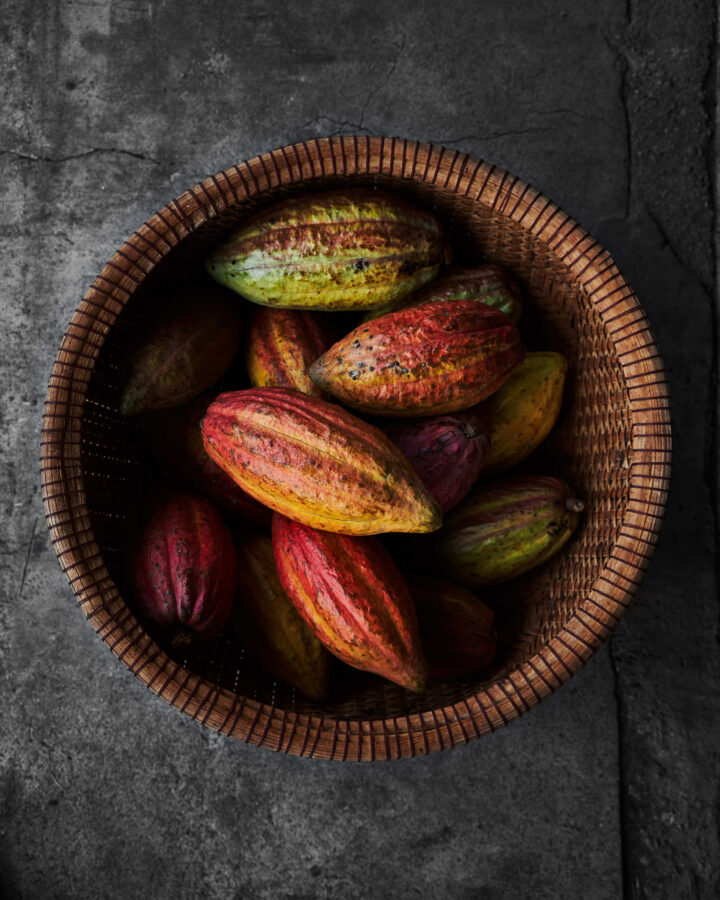
A new study reveals the chemical in chocolate tied to younger biological age. Here’s what we know.
Another chocolate study! And you know I can’t help but take a peek. But this one isn’t about focus, mood, or any of the usual suspects. It’s about something far more ambitious: biological aging. A team of European researchers analyzing more than 1,600 adults stumbled onto a surprising association, one that sits less in the nutrition world and more squarely in the emerging science of [lon-jev-i-tee]nounLiving a long life; influenced by genetics, environment, and lifestyle.Learn More biomarkers.
The molecule at the center of this story is theobromine, the bitter compound that gives dark chocolate its signature edge (and the reason dogs can’t safely eat it). In this new study, people with more theobromine circulating in their blood had “younger-looking” DNA. And two different epigenetic aging clocks both showed the same pattern.
“Our study found links between a key component of dark chocolate and staying younger for longer. While we’re not saying that people should eat more dark chocolate, this research can help us understand how everyday foods may hold clues to healthier, longer lives,” says professor Jordana Bell, senior author of the paper and a Professor in Epigenomics at King’s College London.
What Scientists Actually Measured and Why It Matters
This study didn’t start with cocoa. It started with epigenetic clocks, which read chemical patterns on DNA that shift as we age. These clocks aren’t perfect, but they often predict health outcomes, including disease risk and lifespan, better than chronological age.
The researchers used two types of clocks.
- A mortality-predicting clock, derived from methylation sites statistically linked to long-term survival.
- A cellular aging clock, designed to capture the biological wear-and-tear occurring inside cells, independent of lifestyle factors.
These tools operate like biological timekeepers: they translate your cellular history into an estimate of how old your body “thinks” it is.
Once they had those biological age estimates, the team looked at the various molecules floating in each person’s blood. The question they were trying to answer was straightforward: Do certain molecules tend to show up more often in people who appear biologically younger than expected?
Most molecules showed nothing. One did.
The Longevity Chocolate Molecule
Theobromine is related to caffeine but behaves differently. It’s calmer, slower, and more of a vasodilator than stimulant. It wasn’t shocking to see it in the dataset; many people consume chocolate or cocoa.
What was surprising was how consistently theobromine tracked with younger epigenetic age across two different European cohorts. Even after the team adjusted for caffeine, paraxanthine, and theophylline (chemical cousins that tend to appear alongside cocoa intake), theobromine still showed a uniquely strong association with slower biological aging.
Let’s be clear. That’s not common. Metabolomics research is messy, full of correlations that collapse as soon as you press on them. The fact that this signal holds up across different populations and analytic models makes it notable, even if it doesn’t yet tell us why theobromine appears where it does.
What This Doesn’t Mean?
This study cannot claim, and the researchers explicitly do not claim, that eating chocolate slows aging. The research was observational, which means it can identify patterns but not causes. Theobromine might simply reflect another behavior or nutrient the study didn’t capture. It could also be a marker for a broader biological process we don’t yet understand.
Think of theobromine here as a biomarker, not a lever. A biomarker doesn’t have to cause a change to indicate one. HDL cholesterol works this way; CRP does too. We don’t take CRP supplements, but we do observe CRP to understand something deeper about inflammatory load.
Theobromine might eventually play that role in aging research: a measurable indicator that correlates with a broader pattern we haven’t fully mapped.
The Bigger Story: Where Molecular Aging Is Headed
The real breakthrough isn’t that a cocoa compound appears in healthier-aging blood. It’s that we’re entering a stage of longevity research where metabolites, not just genes or lifestyle habits, are becoming critical windows into biological age.
This is the frontier: tracing how small molecules involved in vascular regulation, mitochondrial signaling, stress responses, and neurotrophic pathways reflect (or influence) the rate at which we age. Theobromine may end up being scientifically important, or it may simply be the first recognizable molecule in a much larger map of metabolic youthfulness.
Either way, the implication stands: aging is measurable, and the clues are hiding in plain sight.
And yes, if you enjoy a square of dark chocolate, you can savor it with a slightly more scientific sense of wonder. Not because it makes you younger, but because aging biology turns out to be far more complex, elegant, and full of surprises than we ever imagined.
Read This Next
The information provided in this article is for educational and informational purposes only and is not intended as health, medical, or financial advice. Do not use this information to diagnose or treat any health condition. Always consult a qualified healthcare provider regarding any questions you may have about a medical condition or health objectives. Read our disclaimers.
Written By:
