
Bottled Water Is A Major Source of Microplastics, According to New Study
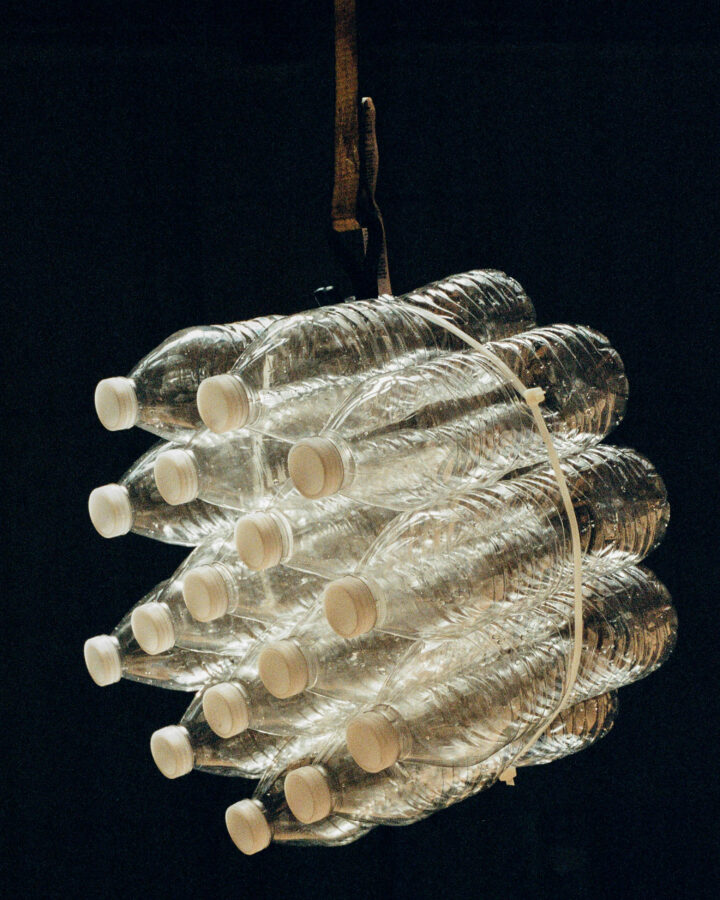
Even the “purest” bottled water may be dosing your body with invisible plastics that slip past the blood-brain barrier.
Every time you reach for bottled water to hydrate, you’re dosing yourself with microplastics, according to a new review in the Journal of Hazardous Materials. After analyzing results from 141 studies, the study concluded that single-use plastic bottles are a key source of nano- and microplastics (NMPs) in our diets, particles small enough to circulate in blood, lodge in organs, and potentially accelerate chronic disease.
Researchers estimate that people who rely on bottled water may ingest up to 90,000 more plastic particles a year than those who drink tap water. These microscopic fragments, shed from bottle walls and caps, are small enough to enter the bloodstream, cross the blood-brain barrier, and accumulate in organs.
Nano- and microplastics have been linked in studies to inflammation, immune dysregulation, cardiac events, and metabolic disruptions. Though human data are still emerging, evidence also suggests a connection to respiratory disease, reproductive issues, and even neurotoxicity.
What the new review found
- Bottled vs. tap: Across studies, people who drink bottled water daily as their primary water source may ingest tens of thousands more plastic particles per year than tap-water drinkers. One landmark exposure analysis estimates 39,000–52,000 microplastics consumed annually (more when inhalation is included), and 90,000 extra a year if all drinking water comes from bottles (versus ~4,000 from tap).
- It’s not just microplastics; nanoplastics are abundant: Nanoplastics are so small (<1 μm) that older imaging methods missed them. These smaller particles also cross biological barriers more readily. Columbia/Rutgers scientists detected 110,000–400,000 particles per liter in common bottled waters.
- Real human tissues now show plastic: Micro- and nanoplastics have been measured in human blood and organ tissue, underscoring biological uptake. A recent study in Nature Medicine found that the average human brain contains about 4,800 micrograms of plastic per gram of tissue, roughly the same plastic mass as a single plastic spoon. In a New England Journal of Medicine study, plaques containing micro-/nanoplastics were linked to higher risk of heart attack, stroke, or death during 3 years of follow-up. These findings don’t prove causation but raise plausible mechanisms via inflammation and oxidative stress.
When and How The Plastic Leaches Into The Water
Plastics end up in the water from the bottling and packaging process, but multiple peer-reviewed studies also point to how we handle and store them.
- Cap friction: The act of twisting caps open and closed sheds microplastics directly into the water. Controlled experiments show that twisting the cap releases about 131 microplastic particles about 0–50 μm in size.
- Squeezing: Laboratory simulations demonstrate that squeezing and crunching can increase microplastic release from surfaces.
- Sunlight/heat: Sun exposure and high storage temperatures accelerate the degradation and leaching of plastics.
While avoiding plastic water bottles altogether might be the healthiest choice, it’s important to know how to mitigate exposure when you have no other choice. Even when microplastic counts seem small, their impact may not be. Once these particles enter the body, they don’t behave like ordinary contaminants.
Why Less Plastic Doesn’t Always Mean Less Risk
You might think micro and nano exposures don’t matter, but this isn’t a case where the dose makes the poison. In toxicology, it’s common to see what’s known as a U-shaped dose–response curve, meaning both very low and very high exposures can trigger biological effects. This pattern is typical for endocrine disruptors and inflammation triggers, where small amounts may paradoxically cause outsized impacts on the body.
Dr. Raffaele Marfella, lead author of the New England Journal of Medicine study linking microplastics and cardiovascular events, explained it this way: This concept is relevant when considering microplastic exposure, particularly regarding vascular inflammation and systemic immune responses.“Our findings suggest that even low-level chronic exposure to micro- and nanoplastics, especially polyethylene and polyvinyl chloride, may increase cardiovascular risk.”
How to lower your exposure now
- Make tap-first your default. Use a certified home filter (see our list of best water filters) and a stainless steel or borosilicate glass bottle for carry-out (we like Klean Kanteen). Exposure modeling shows a dramatic reduction versus bottled water.
- If you must use bottled:
- Avoid heat & sun. Don’t store bottles in hot cars, on windowsills, or outdoors; temperature and sunlight accelerate polymer breakdown and migration.
- Don’t fidget with the cap. Open once; avoid habitual twisting/fidgeting that increases cap-neck abrasion.
- Don’t squeeze. Repeated squeezing and rough handling add mechanical stress that can liberate particles.
- Transfer & chill. If buying bottled for convenience, decant to a non-plastic bottle and keep it cool/out of sunlight. (This reduces both thermal and mechanical stressors highlighted across studies.)
- Avoid heat & sun. Don’t store bottles in hot cars, on windowsills, or outdoors; temperature and sunlight accelerate polymer breakdown and migration.
We’re still learning what “micro” really means in the context of chronic, lifelong exposure. Microplastics behave more like chemical cocktails than inert dust. They don’t have to accumulate in huge amounts to disrupt cellular balance or immune signaling.
The smartest [lon-jev-i-tee]nounLiving a long life; influenced by genetics, environment, and lifestyle.Learn More move? Reduce chronic, low-level exposure wherever you can, starting with your daily water bottle.
Read This Next
The information provided in this article is for educational and informational purposes only and is not intended as health, medical, or financial advice. Do not use this information to diagnose or treat any health condition. Always consult a qualified healthcare provider regarding any questions you may have about a medical condition or health objectives. Read our disclaimers.
Written By:
