

The Ultimate Guide to Retinoids for Skin Longevity
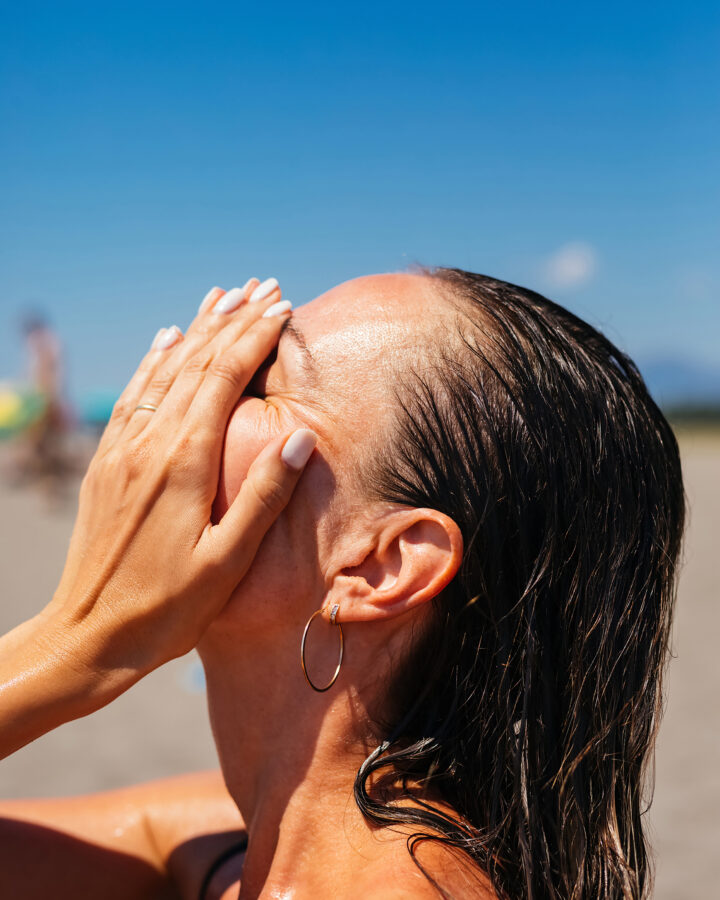
Retinoids are more than skin-deep. Here’s how they can shape immunity, oxidative stress levels, and even your organ systems.
We tend to think of skincare as a cosmetic pursuit: Stay out of the sun, buy the right creams or serums, and you’re rewarded with fewer fine lines and wrinkles. But because the skin is an organ — a surprisingly influential one, and the body’s largest — appearance is only a small piece of the puzzle. The fuller story has to do with the exposome: the cumulative sum of every environmental and lifestyle factor your body encounters over a lifetime, from UV radiation and pollution to stress, diet, and sleep.
Your skin is the exposome’s primary battleground. It stands between your internal biology and the outside world, regulating temperature, sensing touch, blocking pathogens, and absorbing or deflecting the environmental insults hurled at you day after day. How well it holds up under that pressure shapes not just how your skin looks, but how your body ages at a cellular level.
That’s why the skin’s role as an immune organ matters so much for [lon-jev-i-tee]nounLiving a long life; influenced by genetics, environment, and lifestyle.Learn More: Longevity. When the skin barrier becomes compromised, even microscopically, it doesn’t just look different. It also triggers a low-grade inflammatory response that can ripple systemically. Chronic skin conditions like rosacea, eczema, and psoriasis, for instance, have been linked to immune dysregulation, metabolic disturbance, and accelerated biological aging throughout the body. No longer considered purely cosmetic problems, these inflammatory conditions can age you from the inside out.
Calling the management of chronic skin conditions “a vital component of longevity‐oriented dermatologic care,” a 2025 study explains what’s at stake: “Integrating anti‐inflammatory, barrier‐restoring, and [mahy-kroh-bahy-ohm]nounThe community of microorganisms (bacteria, viruses, fungi) living in a particular environment, especially the gut.Learn More: Microbiome‐balancing therapies not only improves cutaneous health and appearance, but may also mitigate ‘inflammaging,’ reduce oxidative stress, and restore homeostasis across organ systems.”
Skincare, in this light, is less about looks and more about maintenance, keeping your body’s most exposed organ functional enough to do its job. If you also happen to look and feel more radiant as a result, well — consider it a perk.
The Biology of Why Skin Ages
Retinoids are vitamin A derivatives that fundamentally change how the skin behaves. Perhaps most importantly, these powerhouse products help regulate the skin cell cycle, signaling when cells should grow, specialize into their specific roles, and eventually die off to make way for new ones. Studies show that they work by binding directly to two receptors in the cell nucleus — Retinoic Acid Receptors (RAR) and the Retinoid X Receptors (RXR) — which allows them to influence how skin cells behave at a genetic level.
According to that same research, retinol also activates keratinocytes, fibroblasts, melanocytes, and immune cells in the skin, prompting a cascade of beneficial activity: faster cell turnover, a stronger skin barrier, better moisture retention, and protection of the collagen and connective tissue that give skin its structure and firmness. It also encourages the remodeling of supportive fibers and promotes the growth of new blood vessels in the deeper layers of the dermis, both of which contribute to healthier, more resilient skin over time.
Why Dermatologists Love Retinoids
If you only apply one product to your skin, it should be a daily broad spectrum SPF. But once that’s squared, retinoids are your next order of protection, experts say.
In fact, in an industry flooded with buzzy ingredients and trend-cycle skincare, retinoids have managed to hold onto something increasingly rare: near-universal respect from dermatologists. Whether the goal is to soften fine lines, fade discoloration, stimulate collagen for thicker skin, or protect the skin barrier, retinoids are widely considered the gold standard.
“If you lined up 20 dermatologists, 19 — or maybe all 20 — would tell you that retinoids are the number-one ingredient class to look for in the fight against skin aging,” says Alicia Zalka, MD, FAAD, a board-certified dermatologist and associate clinical professor at the Yale School of Medicine Department of Dermatology.
Dr. Zalka, also the founder of Surface Deep, says retinoids have earned their reputation for two key reasons: “How much they do for the skin — from treating acne to anti-aging — and how well-established the benefits are borne out in the medical literature over decades.”
The result? Improved skin texture and tone, a softened appearance of fine lines and wrinkles, and preserved skin quality over time, says Michele Green, MD, a board-certified cosmetic dermatologist in New York City.
Few skincare ingredients can alter the skin as meaningfully, or as predictably, as retinoids. The challenge isn’t deciding whether to use one, Dr. Zalka suggests. It’s figuring out which version makes the most sense for your skin’s needs and tolerance level.
When to Use Each Type of Retinoid
All retinoids ultimately convert into retinoic acid in the skin, but they vary significantly in potency, speed, irritation potential, and accessibility. Here’s how the most common types compare:
For beginners: Retinol
Retinol is the most common over-the-counter retinoid and the easiest to tolerate. Dr. Zalka says that if you’re just getting started, conservative approach by starting with an OTC retinol and seeing how your skin responds. Give it at least a few months before considering a stronger prescription option, as advised by your dermatologist.
For visible signs of aging: Retinaldehyde
Also known as retinal, it works similarly to retinol to improve signs of aging. “However, retinal is faster-acting and more potent than retinol, providing more effective results,” says Dr. Green. She says it’s excellent for people dealing with acne or for those aiming for more visible improvements. Although retinol has long been the more popular option, retinal’s become increasingly popular in OTC skincare.
For oily skin, inflammation, and acne: Adapalene
Well-known under the brand name Differin, adapalene was previously available by prescription only but has been available over the counter since 2016. It’s primarily used for acne and oily skin. “Adapalene exfoliates, prevents clogged pores, and reduces inflammation to treat acne,” says Dr. Green. (If acne is no longer a concern, other retinoids may be better suited for collagen support and photoaging.)
For deep exfoliation, wrinkles, and discoloration: Tretinoin
Also known by its brand name Retin-A, tretinoin is a prescription-grade type of retinoid that’s most commonly available in three strengths: 0.025%, 0.05%, and 0.1%. “It accelerates skin cell turnover, exfoliates dead skin cells, and stimulates collagen production to unclog pores, reduce fine lines and wrinkles, improve skin laxity, and reduce hyperpigmentation,” Dr. Green explains.
It’s significantly stronger than its OTC counterparts since it’s already in its active retinoic acid form and doesn’t require conversion by the skin. It’s best suited for people with resilient skin who want faster, more effective results for acne, discoloration, and visible signs of skin aging.
For the toughest cases: Tazarotene
Also known by the brand name Tazorac, prescription-only tazarotene is the most potent type of retinoid. It effectively treats acne, fine lines and wrinkles, discoloration, and plaque psoriasis.
Side Effects of Retinoids
Retinoids are effective, but they’re not always gentle, especially during the adjustment period. They’re infamous for their side effects, which, per Dr. Zalka, include:
- Dryness
- Flaking
- Peeling
- Redness
- Irritation
- Increased sun sensitivity
The stronger the retinoid you use, the more likely that side effects will occur. Tolerance also depends on your baseline skin sensitivity and dryness levels. Initial purging and flaking are common, though in many cases, skin adjusts with consistent use.
7 Things to Know Before You Start Using Retinoids
Retinoids are heavy hitters in the world of skincare, but their powerful results mean it’s wise to proceed with caution. Here are 7 ways to protect your skin as you get started.
1. Introduce them slowly
Whatever type of retinoid you choose, it’s important that you introduce them gradually to minimize irritation. “Start by applying only once a week for the first week, twice a week for the second week, and so on,” Dr. Zalka advises.
Nightly use is ideal, but it’s not always in the cards. “Some people never get past using it two to three times per week because they find their skin is too sensitive,” says Dr. Zalka. “That’s okay. Even using a retinoid once or twice a week can afford you its benefits.”
2. Only use them at night
Retinoids are ideal to use at night for two reasons: First, they can make skin more reactive and irritation-prone, particularly when you’re exposed to sunlight. They’re also regenerative, and your skin cells naturally accelerate repair and turn over while you sleep.
3. Use them as your only active ingredient
Retinoids don’t pair well with other active ingredients, including vitamin C and exfoliants. Layering them at the same time can increase irritation, Dr. Zalka warns. Instead, apply your vitamin C in the morning (the ideal time as it provides antioxidant protection from the sun and environmental stressors). Save any exfoliation, physical or chemical, for nights when you don’t apply a retinoid. This is called skin cycling — a rhythmic pattern of product application that allows you to work with one product at a time and incorporate rest days.
4. Strengthen your defenses
It’s wise to apply a hydrating or barrier-protective serum to your skin before applying your retinoid. Prioritize hyaluronic acid and ceramides to balance out the drying and sensitizing effects of retinoids.
Some people also swear by the “sandwich method”: applying a thin layer of moisturizer before and after applying your retinoid. This is especially beneficial for those new to the product and for anyone with dry and/or sensitive skin.
Recent research in the Journal of the American Academy of Dermatology even suggests that an “open sandwich,” or limiting moisturizer application prior to your retinoid only, may be superior to improve tolerability without compromising efficacy.
5. Apply only a small amount
More product doesn’t mean better results. Dr. Zalka emphasizes that a little goes a long way. “Think of it as the mustard on the sandwich—not the meat or the bread,” she shares.
If you’re using a retinol serum, follow the dosage instructions on the label. Using tretinoin or tazarotene? A pea-sized amount will suffice to cover your entire face.
6. Taper off when planning other treatments
Have an appointment for a chemical peel, laser, microneedling, waxing, or similar treatments on the books? Dr. Zalka advises building in a buffer of about five to seven days before and after your treatment to protect your skin barrier and minimize the risk of side effects.
7. Always apply SPF during the day
Finally, sunscreen should be in everyone’s daily routine. Full stop. But it’s truly non-negotiable if you’re actively using retinoids. Dr. Green reminds us that retinoids increase your skin’s sensitivity to the sun, even if you’re only using it at night.
“When we tout retinoids, it is always in the same breath as urging the daily use of sun protection,” adds Dr. Zalka. Retinoids can do a lot for your skin, but only if daily sun protection is part of the equation.
Try This: Take the 1-Minute Exposome Audit
Your skin works hard to protect you. Just how hard comes down to the environmental threats it faces via the exposome. Rather than waiting for physical symptoms, assessing your exposures can help guide your skincare routine by cluing you into how much repair may be needed.
What, exactly, constitutes a threat? An influential 2017 study proposed that all of the well-studied environmental factors belonging to the skin aging exposome fall into one of five categories:
- Sun radiations: ultraviolet radiation, visible light and infrared radiation
- Air pollution
- Tobacco smoke
- Nutrition
- Cosmetic products
Tally your daily environmental exposures as a way of quantifying how hard your skin’s immune layer is actually working. The higher the load, the more urgently a retinoid and broader barrier support belong in the routine.
Read This Next
The information provided in this article is for educational and informational purposes only and is not intended as health, medical, or financial advice. Do not use this information to diagnose or treat any health condition. Always consult a qualified healthcare provider regarding any questions you may have about a medical condition or health objectives. Read our disclaimers.
Written By:

