

The Best Vegetables for Your Health Have a PFAS Problem
EWG’s 2026 Shopper’s Guide just changed how you should buy them.
Dark leafy greens like kale, swiss chard, collard greens, and spinach are among the most nutrient-dense foods on the planet, packed with vitamins, minerals, and [pol-ee-fee-nawlz]nounPlant compounds that act as antioxidants.Learn More: Polyphenols that have specific, measurable effects on your heart, your bones, and your gut.
There’s a complication worth knowing about. The very vegetables we’re told to eat more of have increasingly been showing up in research flagged for pesticide and chemical contamination. The Environmental Working Group’s 2026 Shopper’s Guide to Pesticides in Produce placed non-organic spinach, kale, and collard and mustard greens at the very top of its “Dirty Dozen” list, meaning they carried the highest levels of potentially harmful residues among all produce tested. Spinach, which held the top spot, had more pesticide residue by weight than any other type of produce and, like most other items on the Dirty Dozen list, averaged four or more different pesticide types per sample.
What makes this year’s findings particularly concerning is the presence of PFAS — the so-called “forever chemicals.” For the first time, the EWG’s report found that over 60% of all Dirty Dozen samples contained pesticides that are also PFAS, perfluoroalkyl and polyfluoroalkyl substances whose molecular bonds can take years to decades, even centuries, to completely break down in the environment.
Leafy greens are particularly vulnerable to pesticide accumulation, since their large, textured surface area gives chemicals more to cling to than most other produce. What makes the 2026 findings especially notable is that the USDA washes and scrubs produce before testing it; the PFAS pesticide residues EWG detected are what remained on the surface after that process. Washing your kale or swiss chard at home is still worth doing, but it won’t fully eliminate what’s there.
Two Possible Solutions:
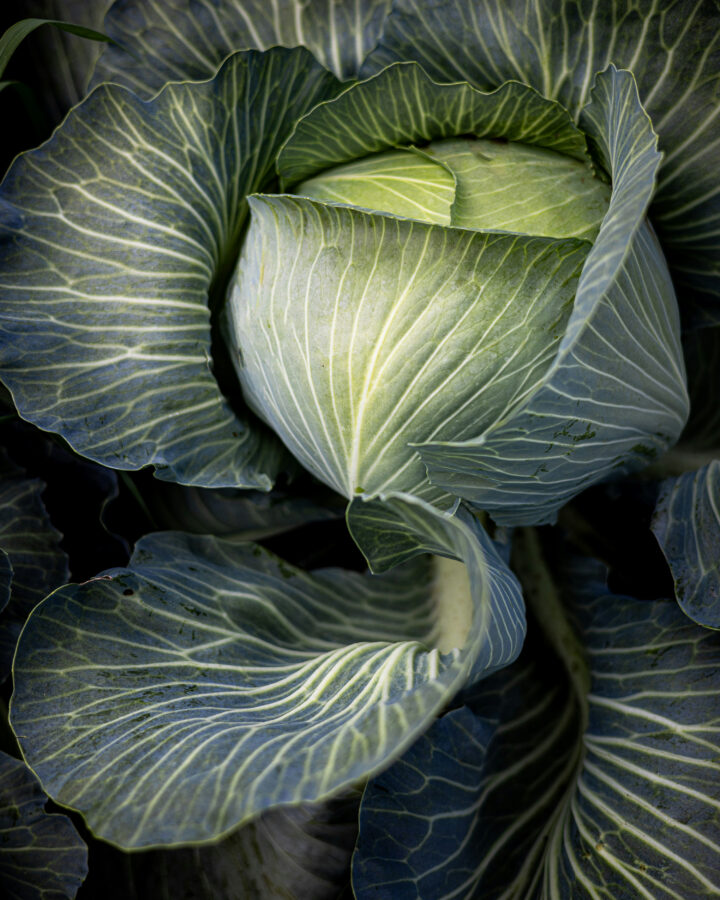
- Eat More Cabbage: Cabbage, considered a leafy green vegetable but rarely recognized as such, is among the least contaminated varieties. While most other varieties are included in the Environmental Working Group’s “Dirty Dozen” list of worst offenders, cabbage appears on the “Clean 15” list of the least contaminated produce. Adding more cabbage to your diet can help ensure you reach your leafy green quota, without subjecting yourself to unnecessary risk.
- Grow Your Own: Starting your own vegetable garden may seem like a daunting task, but leafy greens are a low-maintenance plant. With a little care, you should have dinner-ready veggies 40 to 80 days after seeding. Experts from the University of Maryland note that full-sized heads or large plants will need 4-6 hours of sunlight, one to two feet of breathing room within the row, and two and a half to three feet between rows. Compost for best results, water frequently, and harvest only the outer leaves to allow the plant to continue growing and producing.
The EWG also recommends buying organic whenever possible, washing all fruits and veggies thoroughly before eating, and considering frozen veggies. Most importantly, they say their findings shouldn’t dissuade you from eating all the fruits and vegetables your body needs.
“A diet rich in fruits and vegetables is essential,” says EWG Associate Scientist Dayna de Montagnac. “The Shopper’s Guide empowers families to continue enjoying these significant health benefits while making informed choices to reduce pesticide exposure, particularly for children, without sacrificing nutrition.”
None of Us Are Eating Enough Leafy Greens
We all know we should eat more greens. And yet the foods we have the best intentions of eating are often the ones we have the worst track record of actually getting enough of. The problem isn’t motivation. It’s approach. Most of us think greens have to be the star of a salad or a side dish, which means they only show up when we’re already in “healthy eating mode.” That’s too high a bar for a daily habit.
Here’s the smarter approach: stop always making greens the main event and start treating them like a seasoning. They’re extraordinarily versatile. Mild enough to disappear into almost anything, hearty enough to hold up to heat. Stir spinach into your soup. Fold swiss chard into a weekend frittata. Swap a tortilla for a collard green wrap. Even a loose handful added to something you’re already cooking is enough to meaningfully boost the nutritional value of a meal. The goal isn’t a perfect green-forward diet — it’s just a little more, a little more often.
How Leafy Greens Support [hahrt helth]nounThe overall condition and function of the cardiovascular system, including blood pressure, cholesterol, and arterial health; critical for longevity and disease prevention.Learn More: Heart Health
There are several ways that dark leafy greens support a variety of small functions that enhance heart health.
- Lower [in-fluh-mey-shuhn]nounYour body’s response to an illness, injury or something that doesn’t belong in your body (like germs or toxic chemicals).Learn More: Inflammation and Oxidative Stress: Antioxidant compounds fight inflammation and lower oxidative stress, studies suggest. This includes vitamin C, vitamin K1, lutein, and beta-carotene.
- Improved [bluhd floh]nounThe movement of blood through the circulatory system, delivering oxygen and nutrients to organs and tissues to support energy, healing, and overall health.Learn More: Blood Flow and Relaxed Blood Vessels: Leafy greens can improve blood flow and are linked to a lower risk of [hahrt dih-zeez]nounConditions affecting heart health and circulation.Learn More: Heart Disease over time, recent research shows.Thanks to their nitrate content, which our bodies convert into [nahy-trik ok-sahyd]nounA molecule produced naturally in the body that relaxes blood vessels, improves circulation, and supports heart and brain function.Learn More: Nitric Oxide, greens relax our blood vessels and support healthy blood pressure.
- Reduced Calcium In the Arteries: The vitamin K found in dark leafy greens also plays a role in keeping calcium out of our arteries and supporting overall vascular health.
- More Balanced Sodium Levels: They’re also a good source of potassium, which helps balance sodium levels in the body and further contributes to blood pressure regulation.
- Fiber for Cholesterol Management: Another plus for our hearts is their fiber content which not only makes dark leafy greens great for digestion and regularity but also helps lower LDL cholesterol.
A staple of a heart healthy diet, regularly eating dark leafy greens is a simple, effective way to support long-term heart health as part of an overall balanced diet. Just a handful a day can make a difference.
Dark Leafy Greens and Bone Health
When we think of dark leafy greens, we should also always think bone health. Dark leafy greens contain four key bone-supporting nutrients — vitamin K, calcium, potassium and magnesium — which help support bone building and help prevent bone breakdown.
- Vitamin K: The vitamin K found in leafy greens makes them a standout in the bone health department because it’s a vitamin that a lot of other vegetables don’t have. A randomized controlled trial on vitamin K intake from leafy greens found that increasing leafy greens improved vitamin K status and shifted osteocalcin activity in ways that support better calcium incorporation into bone. Translation? More vitamin K equals better calcium placement into our bones.
- Calcium: Calcium is the primary mineral that makes up bone tissue, so getting enough supports bone density and helps maintain the structure of your skeleton over time. While dairy is often highlighted as an ideal source, greens like kale and collards contribute meaningful, and in some cases better-absorbed, calcium. That’s going to be especially helpful in more plant-forward diets.
- Magnesium: Magnesium supports bone formation by helping convert [vai-tuh-min dee]nounA vitamin essential for bone health and immune function.Learn More: Vitamin D into its active form, which your body needs to properly absorb and use calcium. It’s also part of the bone matrix itself, contributing to overall bone strength.
- Potassium: A recent paper on potassium and bone health highlighted potassium’s role in bone metabolism and preventing osteoporosis. The study emphasized that potassium isn’t just supportive, but that it may be a key player in preserving bone overtime.
Together, these minerals don’t just “build” bone—they help our bodies use calcium more effectively and maintain bone integrity long term, especially when paired with adequate protein, vitamin D, and weight-bearing exercise.
And while beneficial for most populations (consult your doctor if any medications might interfere with vitamin K) dark leafy greens should especially be on your plate if you’re a woman looking to prevent osteoporosis.
How Dark Leafy Greens Support the Gut
Even though dark leafy greens are not the highest-fiber vegetables per serving, regularly including greens like spinach, kale, and other dark leafy greens helps feed beneficial gut bacteria and supports regular digestion.
They also contain plant polyphenols that act as prebiotics, helping promote a more diverse and balanced [mahy-kroh-bahy-ohm]nounThe community of microorganisms (bacteria, viruses, fungi) living in a particular environment, especially the gut.Learn More: Microbiome — something consistently linked to better digestive and overall health.
And if you’re sick of eating spinach everyday, changing it up is actually a good thing. Research from the American Gut Project indicates consuming 30 or more different types of plant-based foods per week is associated with significantly higher gut microbiome diversity compared to eating fewer than 10. All the more reason to add a handful of different dark leafy greens to your meals throughout the week.
Read This Next:
The information provided in this article is for educational and informational purposes only and is not intended as health, medical, or financial advice. Do not use this information to diagnose or treat any health condition. Always consult a qualified healthcare provider regarding any questions you may have about a medical condition or health objectives. Read our disclaimers.
Written By:
