

5 Thanksgiving Conversations That Improve Your Family’s Healthspan
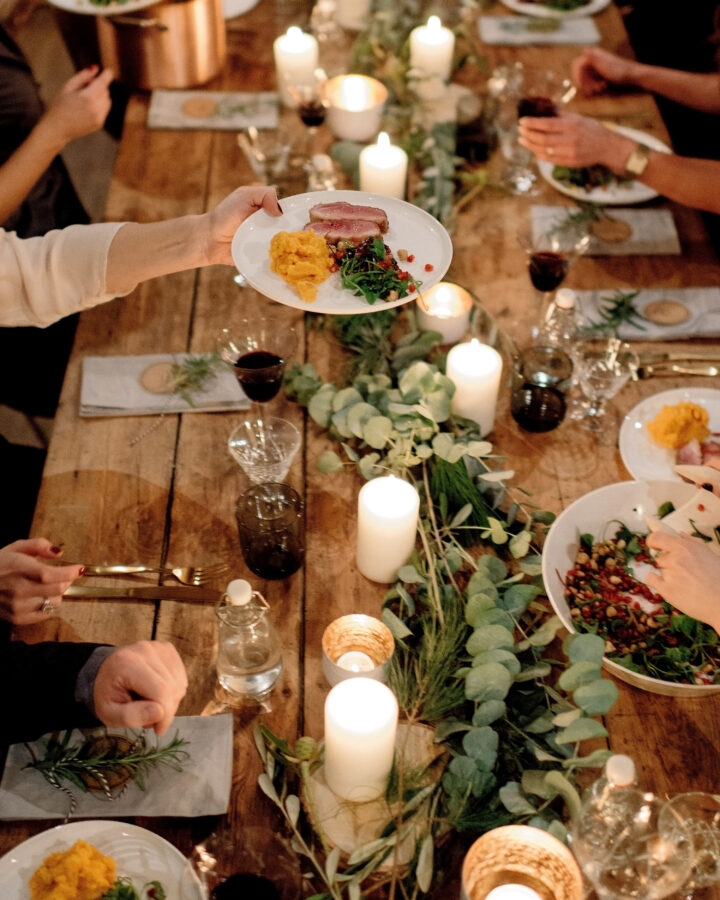
Simple questions, big insights: How to use Thanksgiving moments to support the people you love.
Thanksgiving isn’t just a time to pass the stuffing; it’s also National Family Health History Day, a reminder to pay attention to the people we love. Knowing your family’s health patterns helps you spot risks early and can reduce or delay many chronic illnesses, even if you’re genetically predisposed. When generations gather under one roof, we get a real-time snapshot of how family members are moving, hearing, sleeping, and feeling. Maybe someone looks a little slower, or objects to hearing aids when they would benefit, or even just mentions being tired more often. These moments matter. Not because we need to fix anything, but because a little curiosity and care can open doors to better health. Here’s your cheat sheet.
A Few [lon-jev-i-tee]nounLiving a long life; influenced by genetics, environment, and lifestyle.Learn More: Longevity Facts to Bring to the Table
First, you can bring a little longevity trivia to the gathering. If someone’s skeptical or curious, here’s your smart, no-pressure ammo:
- Connection is a longevity multiplier
An 85-year Harvard study found the number one thing that helps people long, happy lives is social connection. They found that people who build relational intelligence, who can communicate well, manage conflict, maintain close ties, have longer, healthier lives. - Sleep is one of the strongest longevity levers.
A steady 7–8 hours of sleep supports metabolism, memory, emotional [ri-zil-yuhns]nounThe ability to recover quickly from stress or setbacks.Learn More: Resilience, and immune strength. Regularly getting less than 6 hours a night raises the risk of [hahrt dih-zeez]nounConditions affecting heart health and circulation.Learn More: Heart Disease, obesity, and early mortality. - Movement is the closest thing to a longevity superpower.
Even a brisk walk most days (150 minutes a week) can cut your risk of early death by 20–30%, according to a study in Circulation, and doubling that (300–600 minutes weekly) can boost the benefit to around 35–40%. - Hearing loss is linked to early mortality.
Untreated hearing loss leads to a 5× higher dementia risk and increases risk of early death by 30%. Treating hearing loss protects cognitive function and [helth-span]nounThe number of years you live in good health, free from chronic illness or disability.Learn More: Healthspan. - Optimists live longer
Optimists tend to live on average 11 to 15% longer with a higher chance of achieving “exceptional longevity” according to Harvard research. Optimism is not believing everything is great, but believing your actions can influence what happens next and choosing to stay engaged, adaptive, and goal-directed even when life gets hard.
5 Thanksgiving Conversations That Improve Your Family’s Healthspan
Think of these as gentle openings, not scripts. You’re creating spacious moments where you can meet people where they are, (backed by a little science, a lot of care).
1) “What’s been energizing you lately?”
- Why it works: It’s a positive, open-ended question that lets someone talk about new hobbies, movement routines, or even challenges without shame.
- Bonus: Really listen. Active listening strengthens bonds, builds empathy, and even calms the nervous system. The Greater Good Center suggests simple steps to practice it: give someone your full attention, invite them to share, reflect back what you heard, ask gentle clarifying questions, and take turns without judgment or rushed advice.
2) “I’ve been updating our family health history, what should I include?”
- Why it works: It turns health into a shared story rather than a confrontation. Research shows that documenting family health history can help prevent or delay chronic conditions. Plus, Thanksgiving Day is officially recognized as Family Health History Day, a national call to raise awareness of inherited health risks. Health experts encourage families to use the holiday to identify these risks and take preventive steps.
- Bonus: Keep it light. This isn’t dinner-table conversation. Look for a moment when people feel more open. Start small: the CDC suggests asking one or two gentle questions (“Do heart issues run in our family?”) and adding to the story later.
3) “Do you have any new walking trails near your place?”
- Why it works: Movement is one of the strongest predictors of a longer, healthier life, and walking is the easiest entry point. Framing it around place, not performance, keeps it conversational and personal. It also gives people a chance to share something they enjoy, rather than feel judged about what they haven’t been doing.
- Bonus: Make it social. Suggest a short stroll after dinner, it helps stabilize blood sugar, lowers stress, and offers a quiet moment to reconnect away from the noise of the table.
4) “I read that hearing health is tied to brain health and healthspan—did you know that?”
- Why it works: Hearing loss can be a sensitive subject, especially for relatives who avoid or refuse their hearing aids. Presenting it as something you just learned makes it collaborative instead of corrective. And the science is compelling: untreated hearing loss is linked to higher risks of cognitive decline, depression, and social withdrawal.
- Bonus: Normalize screening. The National Institute on Aging recommends regular hearing checks after 60, but most people don’t realize how modern, discreet, and user-friendly today’s devices are. Talk about how hearing tests are part of the longevity world and people of all ages are looking into heading tech discretely online.
5) “What was Thanksgiving like when you were a kid?”
- Why it works: Storytelling boosts connection, strengthens memory, and brings the nervous system into a state of ease. It also honors elders as carriers of family history (The Harvard Study of Adult Development, one of the longest-running studies on happiness, strongly emphasizes the profound impact of positive relationships, including those that connect us to family history and intergenerational wisdom, on long-term physical and mental well-being).
- Bonus: Make it multigenerational. Ask follow-up questions like, “Did you help cook?” “What music did your parents play?” Gently nudge quieter or more isolated relatives into the conversation and invite younger family members to share their own versions.
You’re not here to diagnose or fix anyone. You’re here to notice, invite, and connect. A well-placed question or comment can open a door to greater well-being. This year, show up as the longevity whisperer in your family: informed, kind, and just curious enough to make it matter.
Read This Next
The information provided in this article is for educational and informational purposes only and is not intended as health, medical, or financial advice. Do not use this information to diagnose or treat any health condition. Always consult a qualified healthcare provider regarding any questions you may have about a medical condition or health objectives. Read our disclaimers.
Written By:
