

Can Ice Cream Actually Be Healthy? Here’s the Scoop
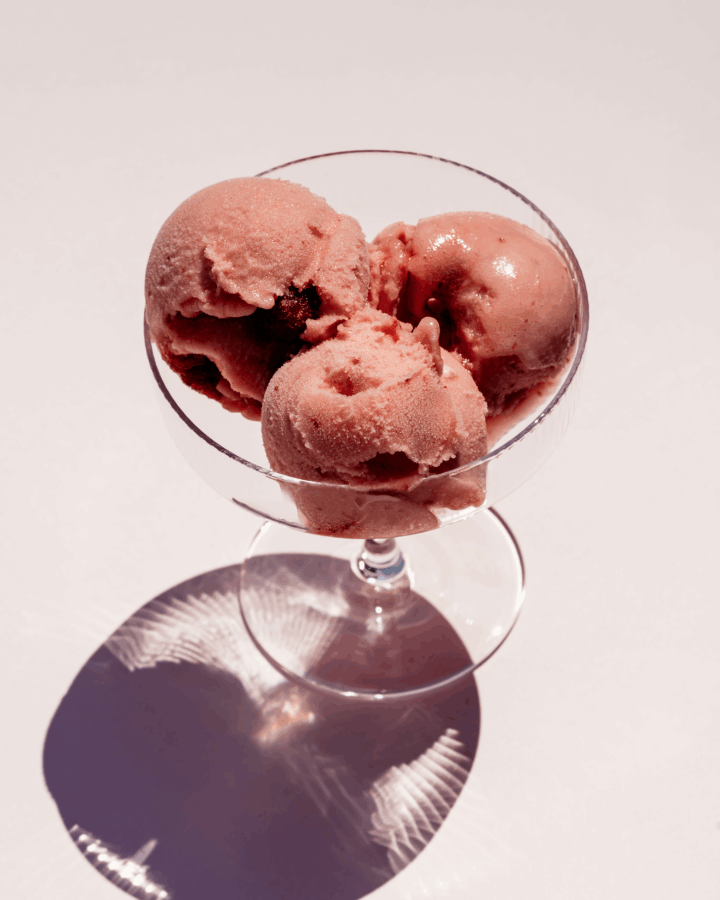
The case for (and against) our favorite frozen treat. Plus a new era of “functional” ice cream you’ll want to know about.
Ice cream is nostalgia, celebration, and pure sensory pleasure in a cone. But as summer hits full stride and scoops become a weekly staple, the question lingers: can something so sweet be part of a health-forward life? Surprisingly, science says… maybe.
The Case for Ice Cream (Yes, Really)
At first glance, ice cream doesn’t look like a health food. It’s calorie-dense, loaded with added sugar and saturated fat, and classified as an ultra-processed food, all factors long associated with metabolic disease. But new research is challenging the conventional wisdom about ice cream’s place in a [lon-jev-i-tee]nounLiving a long life; influenced by genetics, environment, and lifestyle.Learn More: Longevity-focused lifestyle. From emerging brain science on how it affects our [doh-puh-meen]nounA neurotransmitter linked to motivation, pleasure, and learning.Learn More: Dopamine circuits to the rise of “functional” ice creams packed with [proh-by-ot-iks]nounLive bacteria that promote gut and immune health.Learn More: Probiotics and [pol-ee-fee-nawlz]nounPlant compounds that act as antioxidants.Learn More: Polyphenols, this frozen treat is getting a modern makeover.
But here’s the catch: like most things that light up our reward systems, the more we consume it, the less satisfying it becomes. One 2018 analysis out of Harvard looked at data from people with type 2 diabetes and found that those who ate small amounts of ice cream a few times a week had a slightly lower risk of cardiovascular disease than those who didn’t eat it at all. While this wasn’t a randomized trial, and can’t prove cause and effect, it suggested that full-fat dairy (including ice cream) might be less harmful than once believed, especially when compared to animal fat and refined carbs. So, is ice cream a joyful act of self-care—or a slippery slope to reward [burn-out]nounPhysical or emotional exhaustion from chronic stress.Learn More: Burnout?
Scoop 1: Your Brain Gets Bored, Needs More
Ice cream cravings behave like a drug addiction. A landmark 2012 neuroimaging study from The American Journal of Clinical Nutrition revealed something surprising: the more frequently you eat ice cream, the less your brain responds to it. Researchers scanned the brains of healthy adolescents as they drank a milkshake. The result? People who regularly consumed ice cream had a reduced dopamine response in reward-related brain regions, compared to those who didn’t eat it as often. In other words, their brains were less excited by the treat.
This isn’t about willpower, it’s about [noor-oh-plas-tis-i-tee]nounThe brain’s ability to change and adapt through experience.Learn More: Neuroplasticity. Like with drugs or ultra-processed snacks, frequent exposure dulls the reward response over time, leading you to want more to feel the same reward “hit.” This tolerance can drive overeating and derail mindful eating goals, without you even realizing it.
Scoop 2: Functional Ice Cream Tries to Be The Healthy Alternative
Researchers and manufacturers are reimagining ice cream not just as indulgence, but as a potential functional food. According to a 2022 review in Food Research International, the new generation of “functional ice creams” are being fortified with probiotics for gut health, polyphenols and antioxidants for [in-fluh-mey-shuhn]nounYour body’s response to an illness, injury or something that doesn’t belong in your body (like germs or toxic chemicals).Learn More: Inflammation reduction, dietary fiber for satiety and metabolic support, and healthy fat replacements that maintain texture without the metabolic downsides. These ice creams vary widely in quality, but the concept is clear: ice cream doesn’t have to be the nutritional villain.
Scoop 3: Moderation Is Neuroprotective
The dopamine study adds weight to an idea most of us intuitively know: too much of even a good thing can make it… not so good. When we save ice cream for occasional moments of celebration or joy, not nightly reward rituals, we keep the experience novel and the brain’s reward system responsive. (Science calls this “preserving hedonic value.” We call it moderation and making it count.)
Here are some of the benefits of ice cream:
- Vitamin and mineral boost: It’s a source of calcium, vitamin A, [vai-tuh-min dee]nounA vitamin essential for bone health and immune function.Learn More: Vitamin D, and vitamin B12.
- Mood boost: Its creamy texture and sugar content can trigger feel-good neurotransmitters like dopamine and serotonin, which is why it’s often a go-to comfort food.
- Social connection: Sharing ice cream with others can foster joy and bonding, which is a legitimate contributor to health and longevity.
Still, these benefits don’t give ice cream a health halo. Most commercial ice creams are considered ultra-processed, which has been linked to higher risk of metabolic dysfunction, type 2 diabetes, and cardiovascular disease. Overconsumption, especially of highly engineered varieties, can blunt dopamine responses, disrupt blood sugar, and reduce dietary diversity. Here’s how to enjoy the benefits without the backlash:
How to Eat Ice Cream Like a Longevity Pro
Ultimately, we’re not here to moralize food. We’re here to choose it on purpose. Here’s how to treat yourself without overindulging:
- Honor the experience: Instead of zoning out in front of a screen with a pint, savor a small scoop slowly, with attention. Notice texture, temperature, taste.
- Upgrade your base: Look for options that contain simple, real ingredients (milk, cream, sugar), and low added sugar and other additives. Bonus for any added fiber, or probiotics.
- Mind the habit loop: If ice cream is your go-to stress relief, ask: what am I really craving? Connection? Rest? Joy? Try swapping in an uplifting walk, a call to a friend, or a few minutes of music and [breth-wurk]nounIntentional breathing exercises that reduce stress and improve focus.Learn More: Breathwork.
- Fix Your Toppings: Want to upgrade your scoop? Add chopped nuts for extra fiber and protein, or try blending a frozen banana with a scoop of protein powder for a creamy, macro-friendly “nice cream.” It’s about designing indulgence that fuels you back.
- When in Doubt, Think in Macros: Instead of thinking in black-and-white (good vs. bad), think in nutrient ratios. “Ice cream may be high in sugar, but it also delivers protein, calcium, and fat, making it a more balanced treat than ultra-processed snacks with zero nutritional upside,” says citizen scientist longevity expert and Super Age Advisor Linsly Donnelly. “At least with ice cream, you’re getting the benefits of dairy and protein riding on board with the sugar.”
- Don’t demonize: Ice cream isn’t the enemy. Overconsumption and unconscious habits are. Enjoy it consciously, and it can absolutely be part of a longevity-minded lifestyle. “I love the 80/20 rule,” says longevity expert and Super Age Advisor Jen Wagner, MD. “If we do things right 80% of the time, we can not worry so much about the other 20. Plus, we need to make sure we are embracing joy and not having a restrictive mindset!”
Ice cream can bring comfort, nostalgia, and connection. But when it becomes a daily crutch, our brain can rewire and the joy can fade. So, have the scoop as a treat and make it count.
Read This Next:
The information provided in this article is for educational and informational purposes only and is not intended as health, medical, or financial advice. Do not use this information to diagnose or treat any health condition. Always consult a qualified healthcare provider regarding any questions you may have about a medical condition or health objectives. Read our disclaimers.
Written By:
