

How Competitive Sports Train Your Brain
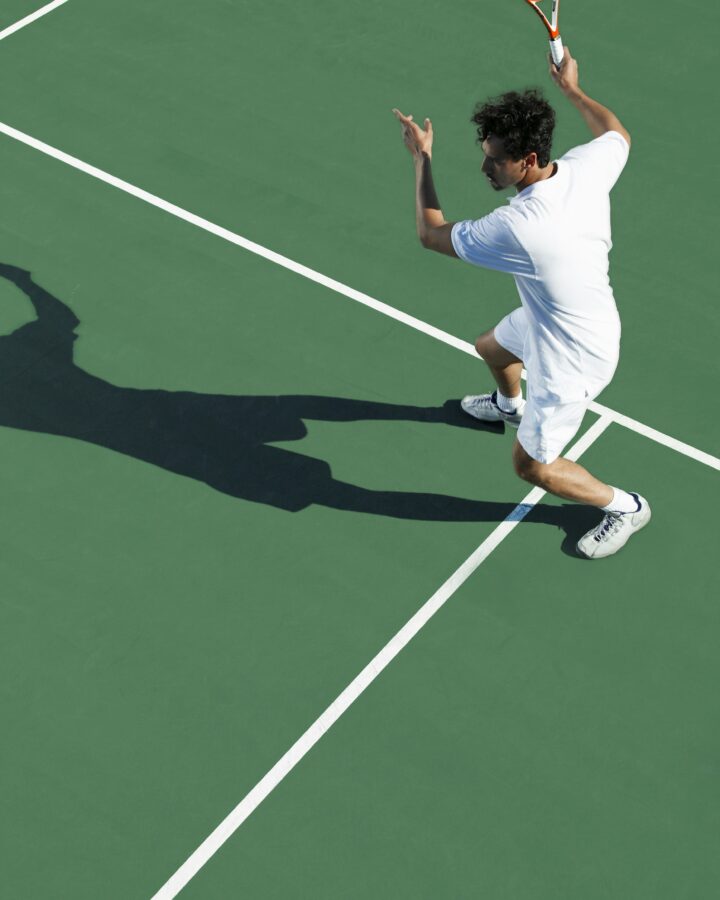
New research links structured sports to stronger emotional regulation, lower aggression, and improved brain connectivity.
We tend to think of fitness as something that happens in the body. Strength, speed, endurance. But as we age, one of the most important capacities we’re training has nothing to do with muscles at all.
It’s emotional control.
A growing body of research suggests that how well you regulate stress, impulses, and emotional reactions may shape not just your relationships and decision-making, but your long-term health. And surprisingly, one of the most effective training grounds for that skill may be competitive sport.
A new study published in Psychology of Sport and Exercise found that athletes weren’t more aggressive off the field. They were less. And their brains offered a clue as to why.
Here’s what the researchers looked at and what they found.
What Brain Scans Reveal About Athletes and Emotional Control
Researchers in China examined 84 football (soccer) and rugby players at the Shanghai University of Sport, along with 106 non-athlete controls. Using brain imaging, they measured people’s resting-state functional connectivity and examined how those patterns related to aggression traits across five domains: total aggression, physical aggression, verbal aggression, hostility, and self-directed aggression. The results were striking.
Athletes scored lower on all but one of the aggression scales. Verbal aggression was the exception, showing no meaningful difference between the two groups. Brain scans added another layer to the findings. Athletes also showed stronger connectivity across a diverse set of brain networks.
Athletic competitions strengthen:
- Emotion regulation
- Impulse control
- Motor planning
- Self-monitoring
- Threat and salience detection
In short, their brains appeared better integrated for thinking, feeling, and controlling behavior. Notably, some of the same brain connections that distinguished athletes from non-athletes also predicted individual differences in aggression levels. These weren’t just group-level differences; they tracked with how aggressive a person tended to be in everyday life.
So what might help explain this difference? The structural demands and rule-bound intensity of competitive sports may support emotional and behavioral regulation over time.
These findings challenge the idea that intense contact sports fuel aggression that spills over into everyday life. Instead, the study suggests that competitive sports aren’t just an outlet for aggression during play. They also provide a framework for discipline and self-control that can carry over beyond the game. Competitive sports demand regulation. Athletes are constantly managing adrenaline, following rules under pressure, and coordinating emotion with movement. Over time, that combination may drive neuroplastic changes that support stronger emotional and behavioral control beyond the athletic context.
What This Does and Doesn’t Mean
A few limitations are worth keeping in mind, especially when translating this research into real-world takeaways. For starters, the study focused on a specific population: elite university-level athletes who have trained for years in football or rugby. It remains unclear whether similar effects would be seen in other types of sports, including non-contact sports with more formalized rules, such as tennis, or individual disciplines like track and field. Nor can we assume the results translate cleanly to other age groups.
The study also took place in China, where cultural values such as collectivism and social harmony may shape how aggression is regulated and expressed. Cultural context likely influenced how people experienced and reported aggression.
As with most observational research, correlation does not imply causation. The study does not prove that athletic participation causes changes in the brain or directly reduces aggression. It’s also possible that certain people are drawn to competitive sports because they already possess stronger emotional regulation, or that sport helps refine self-discipline over time through repeated exposure to challenge and structure.
One final limitation is worth noting: the brain scans were conducted in a resting state, not during moments of heightened emotional arousal. This speaks to capacity for regulation, rather than a guaranteed even temper under pressure.
Read This Next
The information provided in this article is for educational and informational purposes only and is not intended as health, medical, or financial advice. Do not use this information to diagnose or treat any health condition. Always consult a qualified healthcare provider regarding any questions you may have about a medical condition or health objectives. Read our disclaimers.
Written By:
